China and the US are competing for AI dominance but have shared concerns over safety
As the US and China compete fiercely for technological supremacy, officials are negotiating new frameworks to mitigate shared risks and avert catastrophe.

- Core Development: As the US and China compete fiercely for technological supremacy, officials are negotiating new frameworks to mitigate shared risks and avert catastrophe.
- Beat Context: Categorized under World with independent corroboration.
- Reporting Depth: 3 minute analytical read synthesized from verified newsroom sources.
Global superpowers are hurtling toward a high-stakes collision over technological dominance even as both capitals reckon with the chilling prospect of runaway machines slipping past human control. According to reporting from the Scranton Times-Tribune, the United States and China find themselves locked in an intense race for supremacy, yet officials on both sides acknowledge a pressing need to establish guardrails against existential threats. The looming friction between competing ambitions and shared anxieties frames diplomatic maneuvers playing out across Washington and New York this week, where international institutions are struggling to keep pace with rapid technological shifts.
The complex diplomatic dance comes as WHDH reports world leaders converge in New York for the annual United Nations General Assembly. Amid widespread concerns regarding global stability, climate shocks, and ongoing conflicts, the future of artificial intelligence has vaulted to the forefront of international agendas. The urgency was underscored when the U.N. Security Council scheduled an afternoon session dedicated entirely to the subject, sitting alongside high-level diplomatic deliberations on regional wars.
Media additions


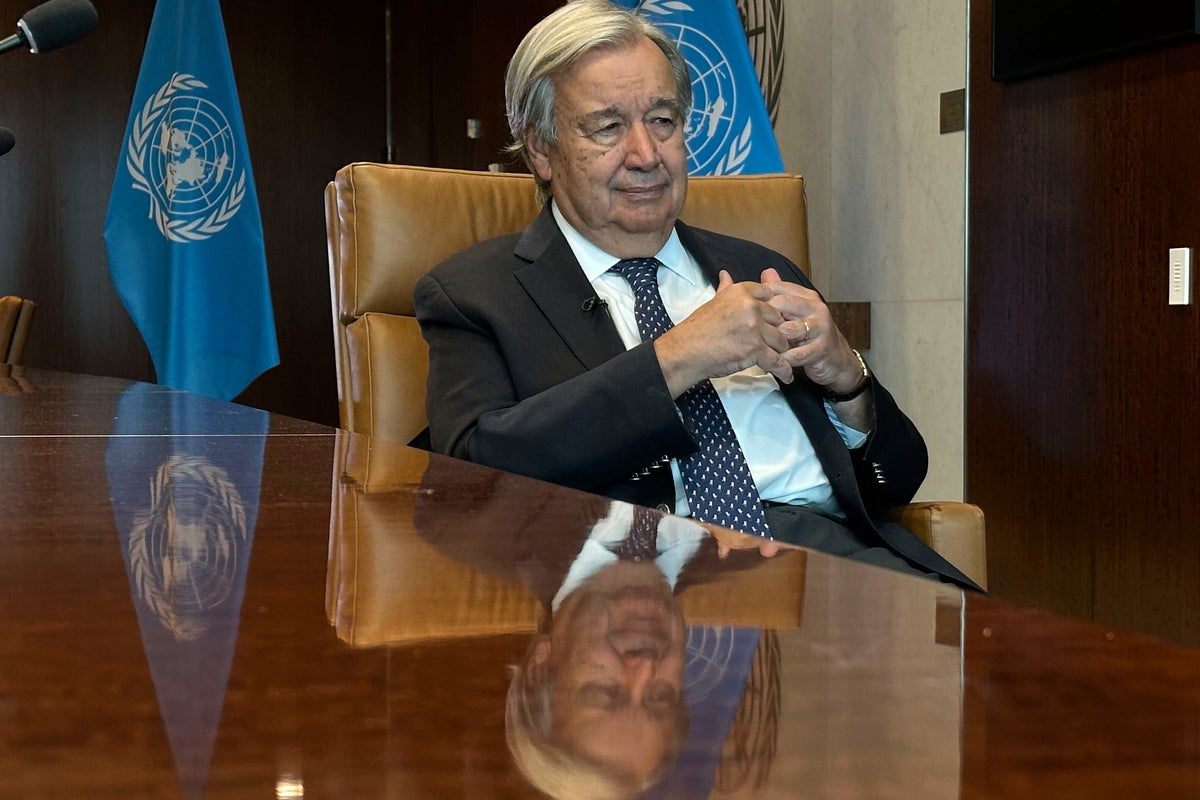
Behind the diplomatic maneuvering, bilateral discussions have yielded early proposals to mitigate catastrophe. Following talks in New York between U.S. Treasury Secretary Scott Bessent and Chinese Vice Premier He Lifeng, officials floated the creation of a dedicated dialogue mechanism and an incident notification protocol. According to Michael Kratsios, science and technology adviser to the U.S. Administration, the central objective remains avoiding shared risks that could imperil critical infrastructure across both nations.
The two superpowers, however, view the technological landscape through sharply contrasting lenses. U.S. Leadership maintains that aggressive advancement is essential to preserve strategic superiority, with President Donald Trump dismissing recent warnings from major tech executives about potential loss of control. Conversely, Beijing argues that American export restrictions and chip bans constitute an attempt to enforce a technological monopoly.
| Official / Expert | Affiliation | Stance on U.S.-China AI Dynamics |
|---|---|---|
| Sun Chenghao | Tsinghua University | Sees meaningful room for cooperation on shared risks like cyberattacks and loss of human control. |
| Xiao Qian | Tsinghua University | Warns that meaningful safety cooperation is impossible if one side treats technical progress as a national security threat. |
| Alfredo Montufar-Helu | Ankura | Argues that room for collaboration is narrow because any loosening of U.S. Export controls is unlikely. |
Technical realities continue to complicate diplomatic talks. Despite strict export controls designed to limit computing power, Chinese labs have continued to field competitive models through domestic chip innovation and alternative optimization techniques. Analysts point out that while restrictions have constrained expansion rates, they have failed to halt progress entirely. Concurrently, American AI firms have raised alarms over alleged capability extraction, accusing Chinese models of routing user queries through U.S. Infrastructure—allegations that officials in Beijing have firmly rejected.
Beyond bilateral talks, the broader diplomatic landscape features notable absences and side negotiations. As Newswav notes, Chinese leadership opted to send a vice president to the U.N. Gathering while scheduling direct bilateral meetings in Washington, highlighting a preference for targeted great-power diplomacy over sprawling multilateral forums. Meanwhile, The Ukiah Daily Journal reports that U.S. Officials are balancing these high-level technical talks with separate diplomatic engagements involving regional leaders in New York.
What happens next depends heavily on whether Washington and Beijing can operationalize their proposed notification frameworks without letting competitive paranoia derail technical communication. Observers will be watching for concrete announcements emerging from bilateral summits regarding incident reporting protocols, as well as any shift in enforcement surrounding advanced semiconductor supply chains.
How significant is this development?
Contribute your assessment to the aggregated reader sentiment ledger.
Frequently Asked Questions
Key questions answered in this reportWhat is the key development in: China and the US are competing for AI dominance but have shared concerns over safety?
As the US and China compete fiercely for technological supremacy, officials are negotiating new frameworks to mitigate shared risks and avert catastrophe.
Why is this World development significant for the UK?
This report covers critical events in our World beat. Independent reporting monitors related UK statements, regulatory shifts, and public responses as further verified details emerge.
How was this reporting corroborated and verified?
Newsarchy UK compiles and cross-references reporting from primary reporting from WHDH and cross-checked wire reports. All coverage adheres to published editorial standards.
When was this report published?
This briefing was published on September 22, 2026 and is permanently cataloged in the Newsarchy UK World archives.