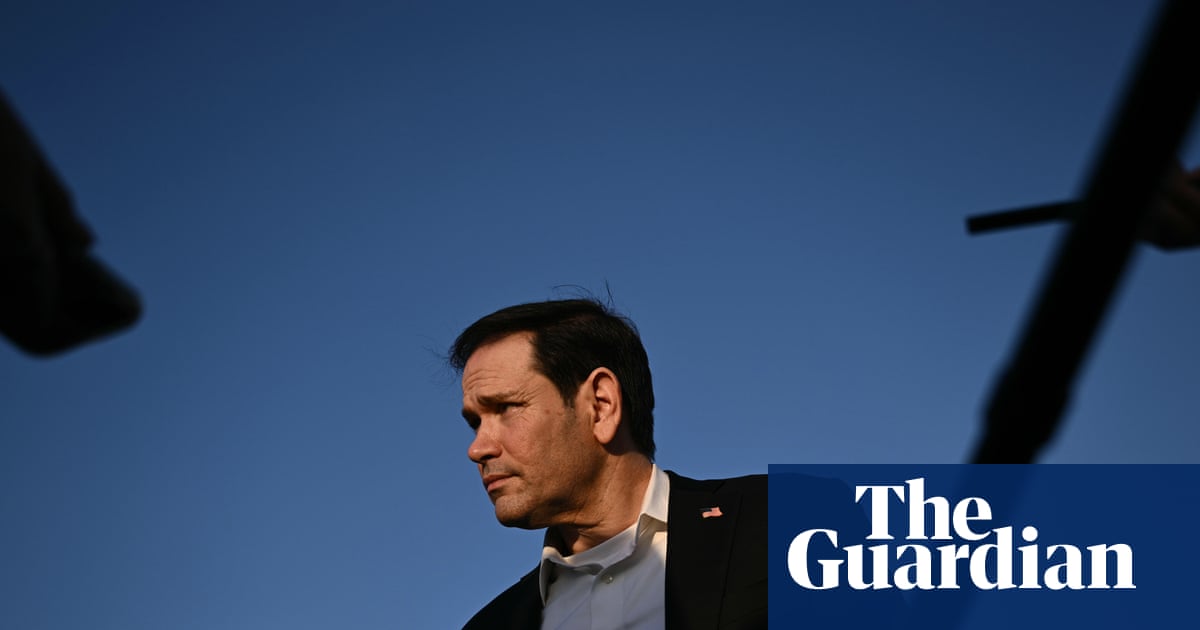
Rubio defends Trump’s Iran war as necessary, not popular
US Secretary of State Marco Rubio defended the military campaign against Iran as a vital security measure, despite voter backlash and severe economic fallout.

US Secretary of State Marco Rubio defended the military campaign against Tehran as a vital security measure despite voter backlash.
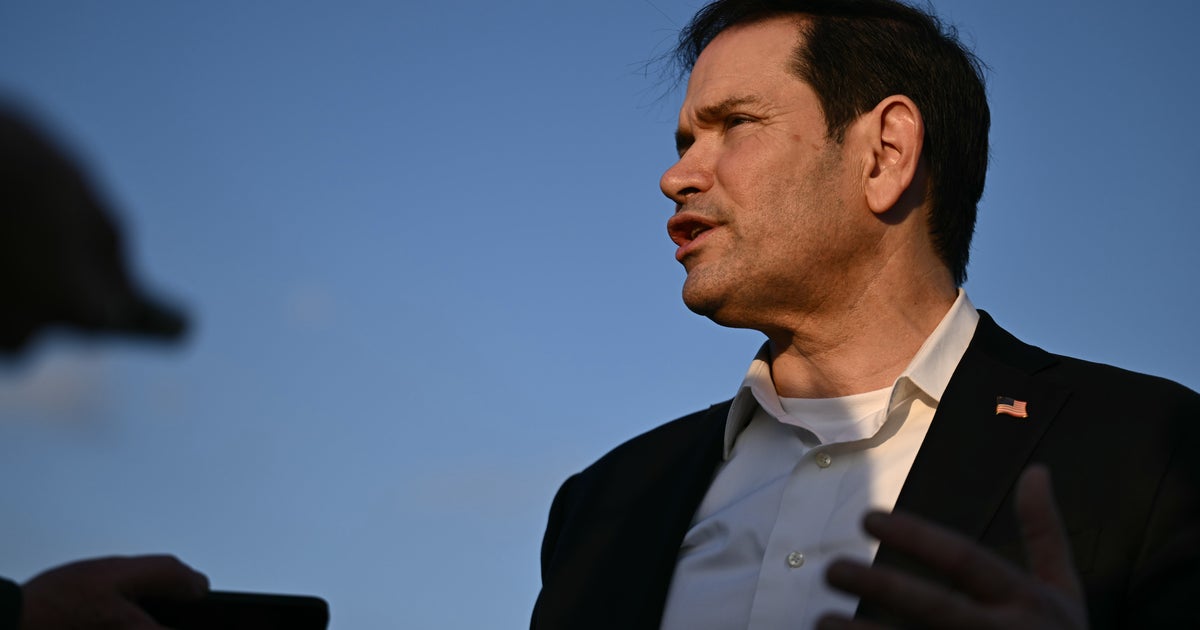
Speaking to reporters before departing from Homestead Air Reserve Base in Florida for a Group of Seven foreign ministers meeting in Paris, Rubio addressed the political fallout from the ongoing conflict, according to TelegraphHerald.com. In the United States, voters punished the ruling party during the recent congressional contest, delivering what Triblive described as a resounding rebuke that helped Democrats seize control of Congress.
Media additions


The economic toll has been particularly severe due to disruptions in the Strait of Hormuz. Before hostilities erupted, one-fifth of the world's oil transited through the vital waterway, according to Huffpost. Higher gasoline prices and economic pressures weighed heavily on voters, prompting sharp public disagreement within the administration over who bears responsibility for the election losses.
Vice President JD Vance argued on social media that the war was the primary driver behind the Republican wipeout. President Donald Trump later acknowledged that Vance was correct regarding the election impact, while adding that his second-in-command should have also endorsed the military action as the correct choice. Rubio offered a staunch defense of the commander-in-chief's strategy when questioned about Vance's remarks.
"He addressed it even though oftentimes the right thing to do for the country — confronting difficult challenges for the security of our country — doing it isn't necessarily popular, but necessary"
Marco Rubio, US Secretary of State, via Dtnext
Trump echoed that sentiment in separate remarks, telling reporters that history would vindicate the decision. I can tell you, this historically — for history — will go down as one of the best things we ever did, because if they ever had a nuclear weapon, they would blow up the world,
Trump said, according to Dtnext.
The administration points to Tehran's atomic program as the justification for the conflict, even as Iran maintains its activities are entirely peaceful. Data from the International Atomic Energy Agency highlights the proximity of Iran's stockpile to weapons-grade material.
| Metric / Detail | Reported Figure | Context |
|---|---|---|
| Uranium Enrichment Level | Up to 60 percent purity | A short, technical step from weapons-grade levels of 90 percent |
| Uranium Stockpile | 440.9 kilograms (972 pounds) | Tracked by the International Atomic Energy Agency |
| Strait of Hormuz Oil Flow | One-fifth of the world's oil | Transited the crucial waterway before the war disrupted shipments |
| Identified Infrastructure Targets | 38 bridges | Marked for potential strikes if military action resumes |
Diplomatic efforts to end the conflict face steep hurdles. Mediators led by Qatar have presented proposals to Tehran, but Rubio poured cold water on any near-term resolution.
I wouldn't say we're at the verge of a breakthrough,
Rubio told reporters, characterizing Iranian demands as unacceptable, outrageous, unrealistic, and ridiculous. According to Livemint, Iranian Foreign Minister Abbas Araghchi countered that there had been no active movement or mediation from international negotiators in the days following the US vote, suggesting Tehran is waiting to see how Washington adapts to the new political reality.
Tehran has conditioned its willingness to negotiate on a sweeping list of prerequisites. Officials report that Iran is demanding an end to the US naval blockade on its ports, the lifting of economic sanctions, the unfreezing of assets, financial compensation for war damage, and a complete cessation of regional hostilities, including Israeli military operations in Lebanon.
Despite the diplomatic stalemate, military friction persists in the region. The US military conducted limited strikes against Iranian air defenses at least twice over a recent one-week span. In addition, naval forces fired upon and disabled a commercial vessel accused of attempting to breach the blockade on Iranian ports.
Trump stated that resuming full-scale strikes is highly unlikely as long as negotiations show progress and lead to a strong agreement. However, the president warned that the military retains a list of specific infrastructure targets, including bridges, should hostilities flare up again.
What to watch next
- President Trump is scheduled to meet with Qatari Prime Minister Sheikh Mohammed bin Abdulrahman Al Thani at the White House to discuss de-escalation efforts.
- Secretary of State Marco Rubio will participate in discussions with foreign counterparts at the Group of Seven meeting in Paris.
- International mediators will evaluate whether Iran and the United States can bridge wide gaps over ceasefire conditions and nuclear safeguards.