US attacks 5 Iranian oil tankers, Tehran retaliates with strikes on Jordan
The US military destroyed five Iranian oil tankers following attempted missile attacks, triggering immediate retaliatory strikes by Tehran against an air base in Jordan.

- Core Development: The US military destroyed five Iranian oil tankers following attempted missile attacks, triggering immediate retaliatory strikes by Tehran against an air base in Jordan.
- Beat Context: Categorized under World with independent corroboration.
- Reporting Depth: 4 minute analytical read synthesized from verified newsroom sources.
The conflict in the Middle East has entered a severe new phase following a sharp escalation in the Gulf. United States military forces launched strikes destroying five Iranian oil tankers in the Gulf of Oman and near Kharg Island, prompting immediate retaliatory missile attacks by Tehran against American installations in Jordan. The rapid succession of military actions shatters a period of relative calm in the ongoing war between Washington and Tehran, driving global energy markets toward the century-dollar threshold as outlets including the BBC and Yahoo News report.
According to statements from Al Jazeera, the hostilities erupted after the Islamic Revolutionary Guard Corps (IRGC) sought to target a United States warship with ballistic missiles on multiple occasions. United States Central Command (CENTCOM) maintained that the targeted warship successfully evaded the attacks without personnel injuries. In response, American forces targeted four crude oil carriers belonging to a network funding the IRGC—identified as the M/T Kaviz, M/T Charminar, M/T Horizon 1, and M/T Riesco in the Gulf of Oman—alongside the M/T Derya situated near Kharg Island. CENTCOM stated that American forces directed the ship crews to abandon their vessels before striking them and rendering them inoperable. Iranian state broadcaster IRIB confirmed the evacuation of crews near Kharg Island, which handled roughly ninety percent of the nation's oil exports prior to the outbreak of the war.
Media additions
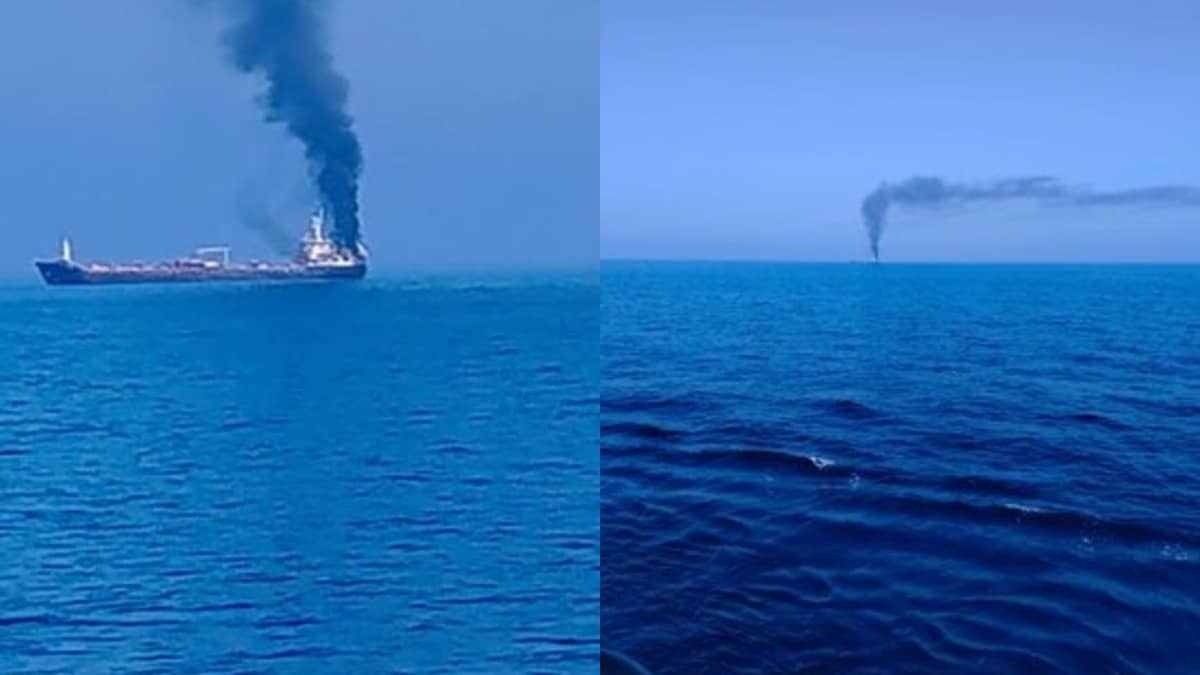

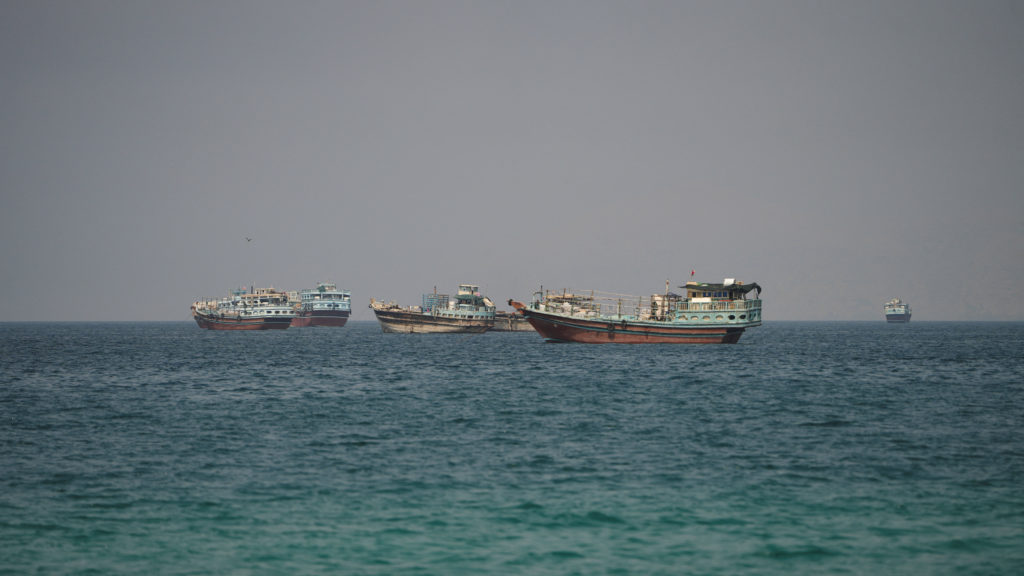
Tehran's response was swift. Iranian state media reported that the IRGC launched fierce missile strikes against United States forces stationed at the Al Azraq military base in Jordan, claiming the assault destroyed hangars housing American fighter jets. Jordan's Armed Forces confirmed that its air defence systems engaged twenty incoming ballistic missiles, successfully intercepting and destroying eighteen of them. Two additional missiles landed in unpopulated areas without causing casualties, while specialized military teams secured the debris scatter zones.
The tit-for-tat maritime conflict builds upon an earlier clash when American forces struck three Iranian tankers and caused one to sink, according to reporting compiled by Republicworld and The National. In the wake of the latest destruction, the IRGC issued aggressive warnings to oil tanker crews operating near Kuwaiti and Bahraini ports, demanding they evacuate immediately because those shipping nodes would be targeted for hosting American military personnel. The IRGC further claimed to have struck two United States Navy destroyers, DDG-119 and DDG-53, causing significant damage, alongside separate assertions of targeting additional American vessels and regional tankers. CENTCOM offered no immediate comment regarding these broader claims.
| Entity / Metric | Reported Figure or Status |
|---|---|
| Brent Crude Oil Benchmark | Reached $99.49 a barrel in early trading |
| Jordanian Air Defence Response | Engaged 20 ballistic missiles, intercepting 18 |
| US Tanker Destruction Count | Five vessels destroyed (Kaviz, Charminar, Horizon 1, Riesco, Derya) |
| Duration of Ongoing War | More than six months |
Defending the military actions during a diplomatic trip to Latin America, United States Secretary of State Marco Rubio told reporters that Washington refuses to retreat from Iranian aggression. As detailed by PBS, Rubio stated that Iran continues to attempt strikes on American naval ships and will lose tankers in kind for every occurrence. Parallel to the naval engagements, the White House rolled out fresh economic penalties, imposing sanctions on more than two dozen commercial and private airlines as well as foreign cargo service providers linked to Iran's aviation sector.
Regional analysts have voiced profound concern over the escalating cycle. Danny Citrinowicz, an Iran specialist at Israel's Institute for National Security Studies, noted on social media that kinetic force offers no permanent solution to the contested Strait of Hormuz, warning that retaliatory spirals pull both nations closer to an uncontrollable confrontation, a perspective echoed by Euronews. Concurrently, a separate maritime flashpoint emerged when the IRGC claimed the capture of an unmanned United States underwater vehicle near the strait, an assertion countered by the United States Navy, which explained that the surveillance drone had simply malfunctioned.
With diplomacy stalled and energy security hanging in the balance, attention shifts to whether regional intermediaries can establish transit corridors through the Strait of Hormuz or if further retaliatory strikes will materialize in Gulf ports.
How significant is this development?
Contribute your assessment to the aggregated reader sentiment ledger.
Frequently Asked Questions
Key questions answered in this reportWhat is the key development in: US attacks 5 Iranian oil tankers, Tehran retaliates with strikes on Jordan?
The US military destroyed five Iranian oil tankers following attempted missile attacks, triggering immediate retaliatory strikes by Tehran against an air base in Jordan.
Why is this World development significant for the UK?
This report covers critical events in our World beat. Independent reporting monitors related UK statements, regulatory shifts, and public responses as further verified details emerge.
How was this reporting corroborated and verified?
Newsarchy UK compiles and cross-references reporting from primary reporting from WHEC.com and cross-checked wire reports. All coverage adheres to published editorial standards.
When was this report published?
This briefing was published on September 9, 2026 and is permanently cataloged in the Newsarchy UK World archives.