Two ships sink near Strait of Hormuz as Iranian attacks surge
Two commercial ships have sunk near the Strait of Hormuz following projectile impacts, as escalating attacks disrupt vital shipping lanes and drive up fuel costs.

- Core Development: Two commercial ships have sunk near the Strait of Hormuz following projectile impacts, as escalating attacks disrupt vital shipping lanes and drive up fuel costs.
- Beat Context: Categorized under World with independent corroboration.
- Reporting Depth: 3 minute analytical read synthesized from verified newsroom sources.
Commercial shipping through a vital Middle Eastern corridor faces unprecedented disruption as two vessels sank following projectile strikes, compounding a severe escalation in regional hostilities that has sent fuel costs climbing toward contentious domestic political votes, according to maritime authorities and international reports.
The Timesnownews outlet reported that the Singapore-flagged container ship GFS Pride sank after sustaining damage from an earlier strike, while the Antigua and Barbuda-flagged Cape Dao sank following a separate projectile impact dating back to September 23, according to data from the International Maritime Organization. The Maritime and Port Authority of Singapore (MPA) confirmed that the GFS Pride caught fire before sinking, though all 21 crew members evacuated safely without reported injuries, as noted by Lexington Herald Leader.
Media additions
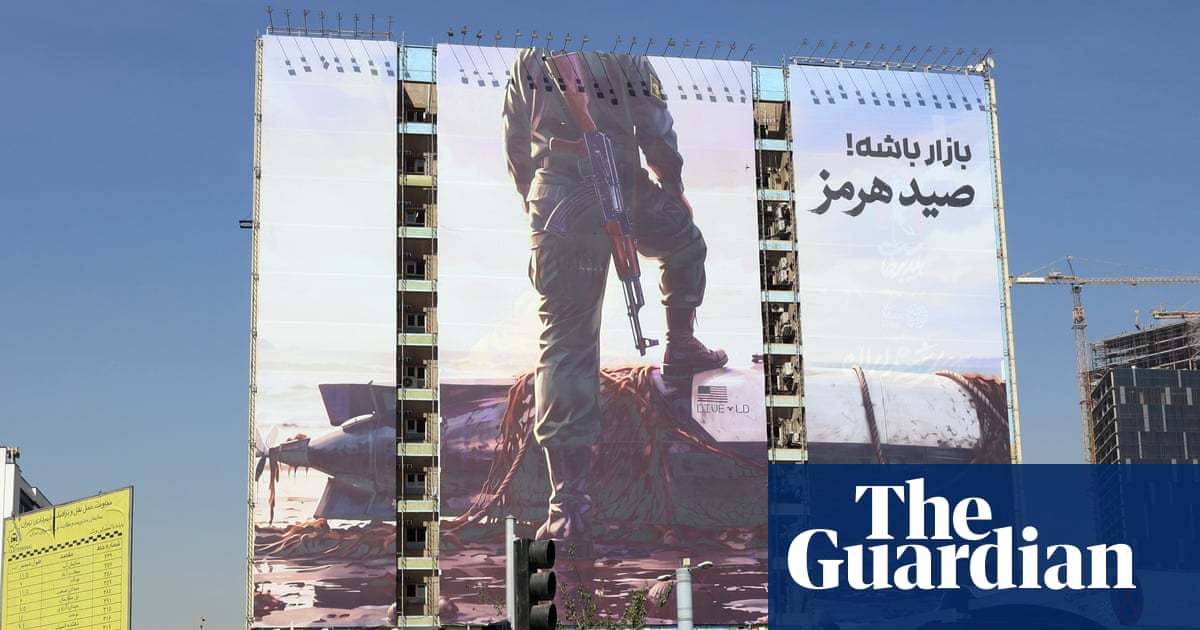
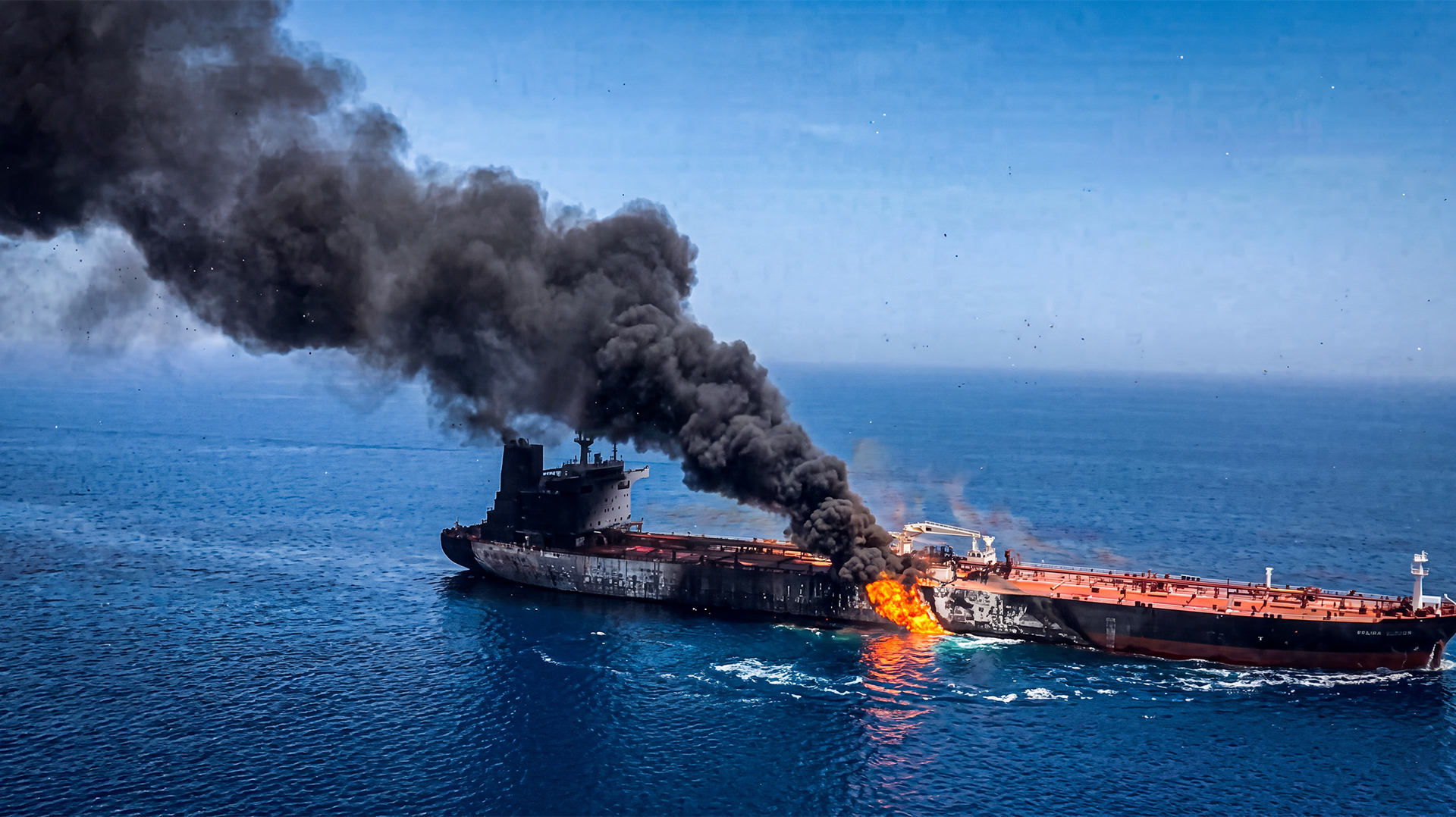
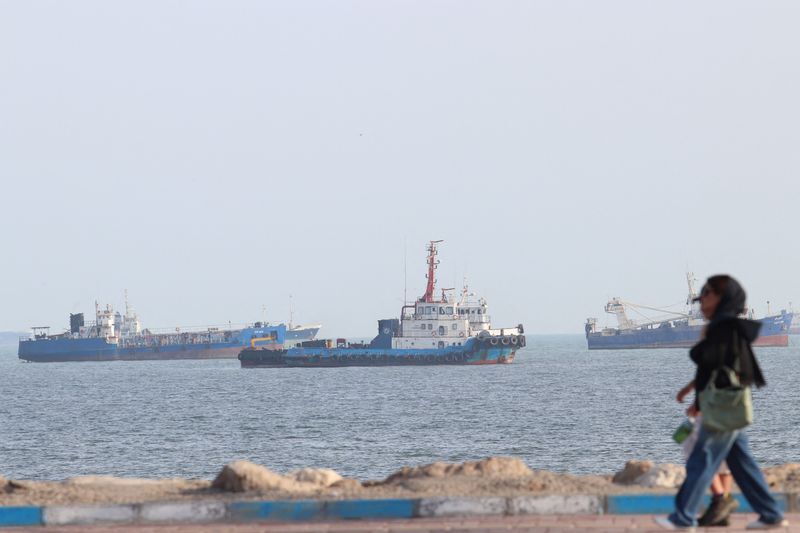
The GFS Pride and Cape Dao represent the second and third vessel losses recorded since the outbreak of hostilities on February 28, based on casualty analyses cited by Devdiscourse. Maritime security agencies underscore that these incidents demonstrate a widening threat profile extending well beyond traditional oil tankers. Analysts from Internazionale observed that container vessels and bulk carriers are increasingly vulnerable to the deteriorating security situation.
| Vessel Name | Flag | Vessel Type | Status / Incident Details |
|---|---|---|---|
| GFS Pride | Singapore | Container Ship | Sank following projectile strike and fire; 21 crew evacuated safely. |
| Cape Dao | Antigua and Barbuda | Dry Bulk Carrier | Sank near the strait following a projectile strike on September 23. |
| Safeen Prestige | Malta | Container Ship | Hit by a projectile in March; sank north of the strait. |
| MSC Francesca | — | Container Ship | Attacked and seized by Iran’s Revolutionary Guards in April. |
Contradictory narratives have emerged regarding the circumstances of the sinkings. State television broadcasts in Iran quoted a statement from the Islamic Revolutionary Guard Corps (IRGC) claiming a cargo ship sank after striking a naval mine while navigating an unauthorised and dangerous route, carrying a load of 2,500 containers. However, the United Kingdom Maritime Trade Operations (UKMTO) and international maritime security sources disputed this version, attributing the damage to unidentified projectiles and noting a deliberate escalation in aggressive tempo around the waterway, as detailed by The Guardian.
The wider World coverage highlights that before the conflict, approximately one-fifth of global oil and liquefied natural gas trade transited the Strait of Hormuz. Recent months have seen a dramatic contraction in shipments as shipping lanes face relentless pressure. Two senior Iranian officials told Reuters that the state enacted a coordinated strategy at the highest leadership levels, shifting attack frequencies and weapon types to restrict transit and pressure foreign administrations. The aim is to frustrate efforts by the United States and its allies to bring down global oil prices,
one Iranian official stated, as reported by Kurdistan24.
Military adjustments mirror the maritime chaos. A confidential US military source confirmed that following the degradation of regional radar infrastructure, the IRGC began deploying small boats carrying unarmed spotters to identify American and commercial targets. US forces recently intercepted and destroyed an Iranian dhow operating in this capacity in the Gulf of Oman, resulting in no casualties.
Energy markets and political spheres remain acutely sensitive to these developments. Domestic fuel prices have climbed significantly since the conflict began, placing heavy scrutiny on Washington's energy policies. These pressures persist alongside executive assurances, even as regional blockades and retaliatory actions continue.
Observers are closely tracking several operational factors moving forward:
- Additional UKMTO and naval advisories regarding transit security along Omani coastal bypass routes.
- Potential adjustments to naval escort procedures by international coalitions operating within the Persian Gulf.
- Further evaluations from maritime risk firms like MARISKS concerning non-tanker vulnerabilities in the chokepoint.
- Global energy price fluctuations ahead of the impending November 3 midterm elections.
How significant is this development?
Contribute your assessment to the aggregated reader sentiment ledger.
Frequently Asked Questions
Key questions answered in this reportWhat is the key development in: Two ships sink near Strait of Hormuz as Iranian attacks surge?
Two commercial ships have sunk near the Strait of Hormuz following projectile impacts, as escalating attacks disrupt vital shipping lanes and drive up fuel costs.
Why is this World development significant for the UK?
This report covers critical events in our World beat. Independent reporting monitors related UK statements, regulatory shifts, and public responses as further verified details emerge.
How was this reporting corroborated and verified?
Newsarchy UK compiles and cross-references reporting from primary reporting from Latest news from Azerbaijan and cross-checked wire reports. All coverage adheres to published editorial standards.
When was this report published?
This briefing was published on October 15, 2026 and is permanently cataloged in the Newsarchy UK World archives.