US removes Syria from state sponsor of terrorism list
Secretary of State Marco Rubio announced the removal of Syria from the US state sponsor of terrorism list, ending a 47-year designation and unlocking economic relief.
US removes Syria from state sponsor of terrorism list
EXECUTIVE BRIEFKey Takeaways & Signal
Core Development: Secretary of State Marco Rubio announced the removal of Syria from the US state sponsor of terrorism list, ending a 47-year designation and unlocking economic relief.
Beat Context: Categorized under World with independent corroboration.
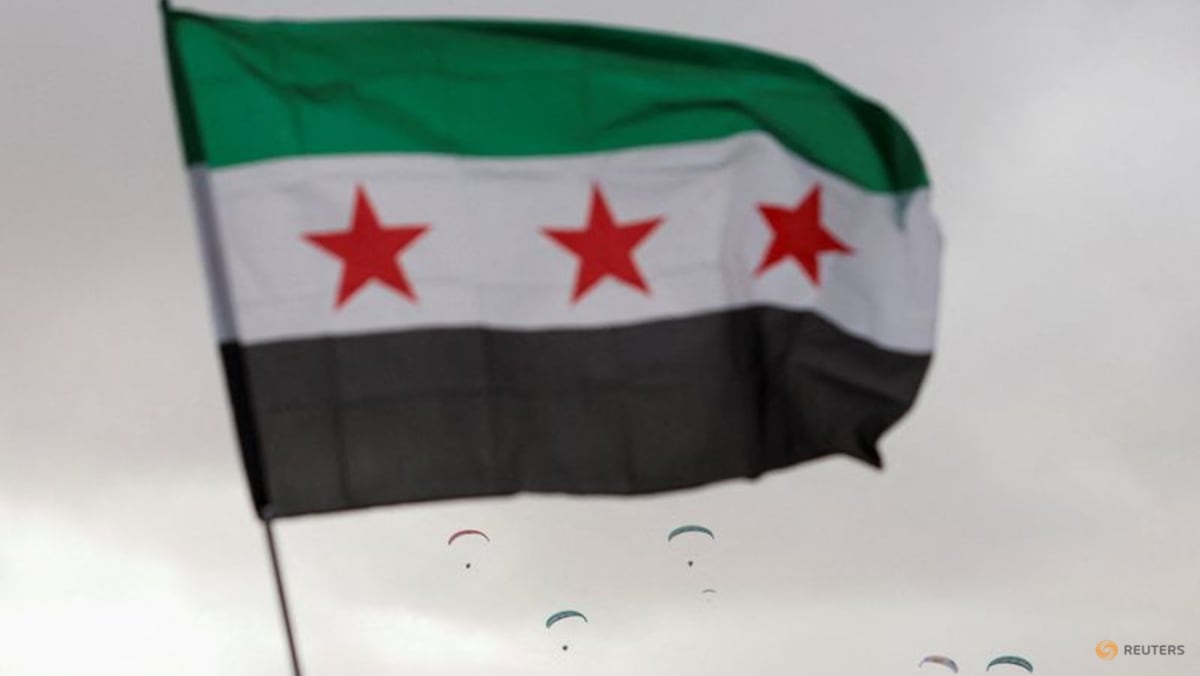
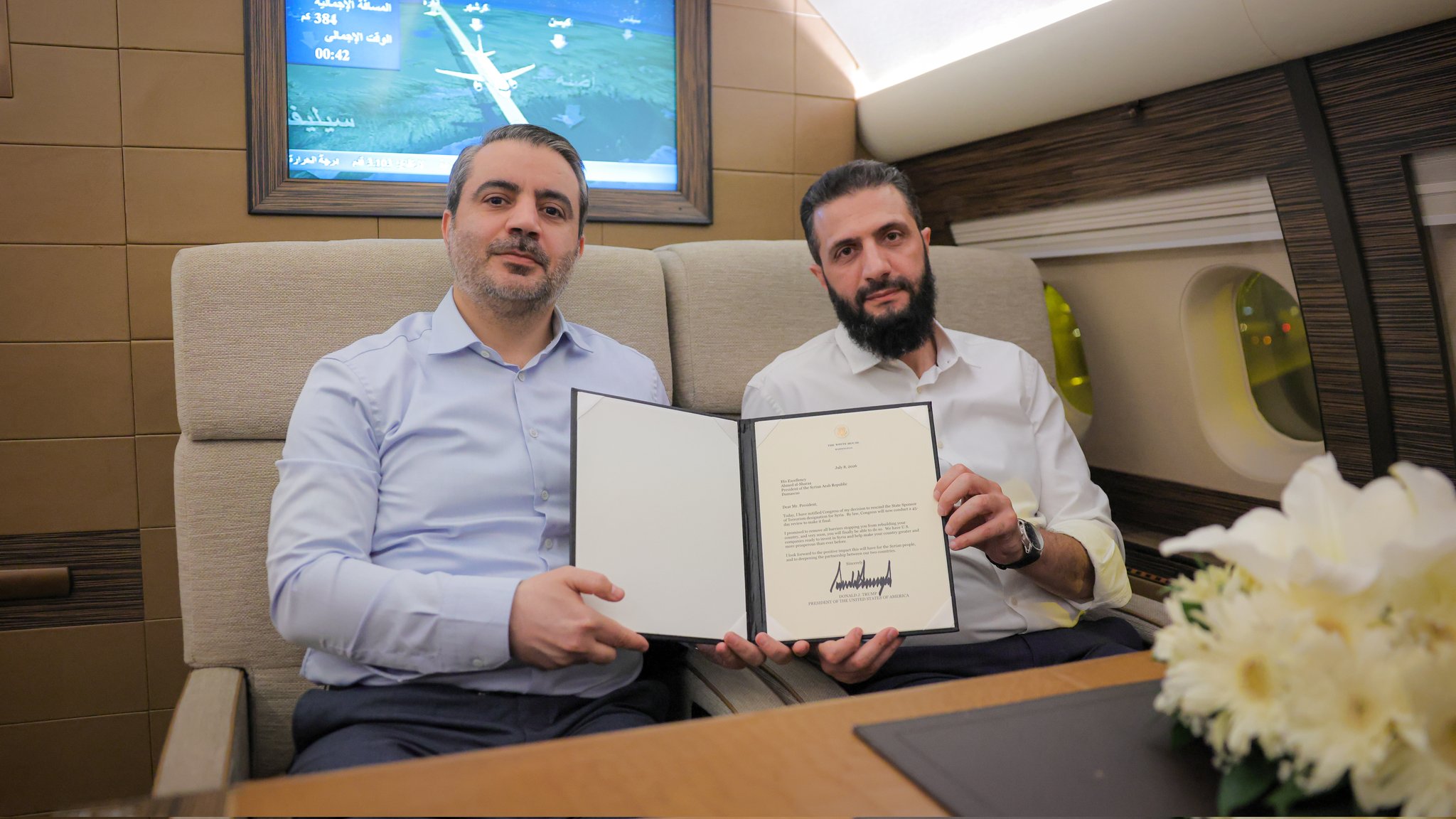
On Monday, 24 August 2026 the United States formally rescinded Syria’s designation as a State Sponsor of Terrorism (SST). Secretary of State Marco Rubio announced the delisting alongside the removal of Hay’at Tahrir al‑Sham (HT S) from the Treasury’s Specially Designated Global Terrorist (SDGT) list. The Treasury Department simultaneously announced a tranche of sanctions relief.
“These actions represent another historic step by President Trump to give the Syrian people a path to prosperity,”
Image via deccanchronicle.comImage via anews.com.trImage via upi.com
Marco Rubio, Secretary of State, via Deccan Chronicle
Rubio added that the move “eliminates the final major barriers for private‑sector investment in Syria and promotes Syria’s economic recovery and reintegration into the global economy,” echoing language first used in a July 2025 executive order that ended most U.S. Sanctions on Damascus.
“Today's action will help foster additional investment in Syria to promote political and economic stability,”
Scott Bessent, Treasury Secretary, via Channel News Asia
Syrian officials welcome the change
“Today, Syria is shedding a dark stain from its shoulders and tearing up with its own hands a page from its painful past, to move into a new space of development, reconstruction and building,”
Ahmed al‑Sharaa, President of Syria, via ANews
“We congratulate the Syrian people on this historic milestone: the removal of Syria from the list of State Sponsors of Terrorism after 47 years under a designation associated with the policies and practices of the former regime,”
Asaad al‑Shaibani, Foreign Minister, via Deccan Chronicle
Lifting Syria's designation as a state sponsor of terrorism is a historic step that returns it to its natural place within the global economic system.
Safwat Raslan, Governor of the Central Bank of Syria, via UPI
“This represents a significant and final step in strengthening Syria’s connection to the global economic and financial system, attracting modern investments and technologies, and supporting development opportunities,”
Mohammad Yasser Barnieh, Finance Minister, via New York Post
How the designation unfolded
1979 – The United States first listed Syria as a state sponsor of terrorism, citing support for militant groups and weapons development.
December 2024 – Rebels led by HT S overthrew President Bashar al‑Assad; Ahmed al‑Sharaa emerged as president.
July 2025 – President Donald Trump signed an executive order ending most U.S. Sanctions on Damascus.
July 8 2026 – Trump formally notified Congress of his intent to rescind the SST designation, starting a 45‑day review period.
August 24 2026 – Rubio and Treasury Secretary Scott Bessent announced the delisting of Syria and HT S.
Economic ripples already visible
Bank of America executives met with Syria’s Finance Ministry earlier in August to discuss possible cooperation, according to the ministry’s statements. Mastercard disclosed in May that it was working with Qatar National Bank Group and the Syrian central bank to lay the groundwork for an international card‑payment network, describing itself as an “early investor” in Syria’s financial reconstruction.
The Treasury clarified that U.S. Banks may now provide services to Syrian banks and establish correspondent relationships, provided “sanctioned parties are not involved.” This language mirrors the agency’s earlier statement that the removal “does not change Treasury’s posture with regards to countering global terrorism and our commitment to hold bad actors in Syria accountable.”
What comes next
U.S. Officials said the Treasury will monitor compliance and that any future dealings must avoid entities still subject to targeted sanctions for human‑rights abuses, drug trafficking or affiliations with Iranian proxies. The agency’s statement that the delisting “does not change… our commitment to hold bad actors in Syria accountable” suggests that those specific sanctions remain in place.
READER INTELLIGENCE PULSE
How significant is this development?
Contribute your assessment to the aggregated reader sentiment ledger.
Click an option to register your anonymous assessment.
Frequently Asked Questions
Key questions answered in this report
What is the key development in: US removes Syria from state sponsor of terrorism list?
Secretary of State Marco Rubio announced the removal of Syria from the US state sponsor of terrorism list, ending a 47-year designation and unlocking economic relief.
Why is this World development significant for the UK?
This report covers critical events in our World beat. Independent reporting monitors related UK statements, regulatory shifts, and public responses as further verified details emerge.
How was this reporting corroborated and verified?
Newsarchy UK compiles and cross-references reporting from primary reporting from nbcnews.com and cross-checked wire reports. All coverage adheres to published editorial standards.
When was this report published?
This briefing was published on August 25, 2026 and is permanently cataloged in the Newsarchy UK World archives.