France Reports 1st Human Shamonda Virus Case, Says No Health Risk
French health authorities have confirmed the first recorded human infection of the livestock pathogen Shamonda virus in an immunocompromised patient who died in October, though officials stress there is no wider risk.
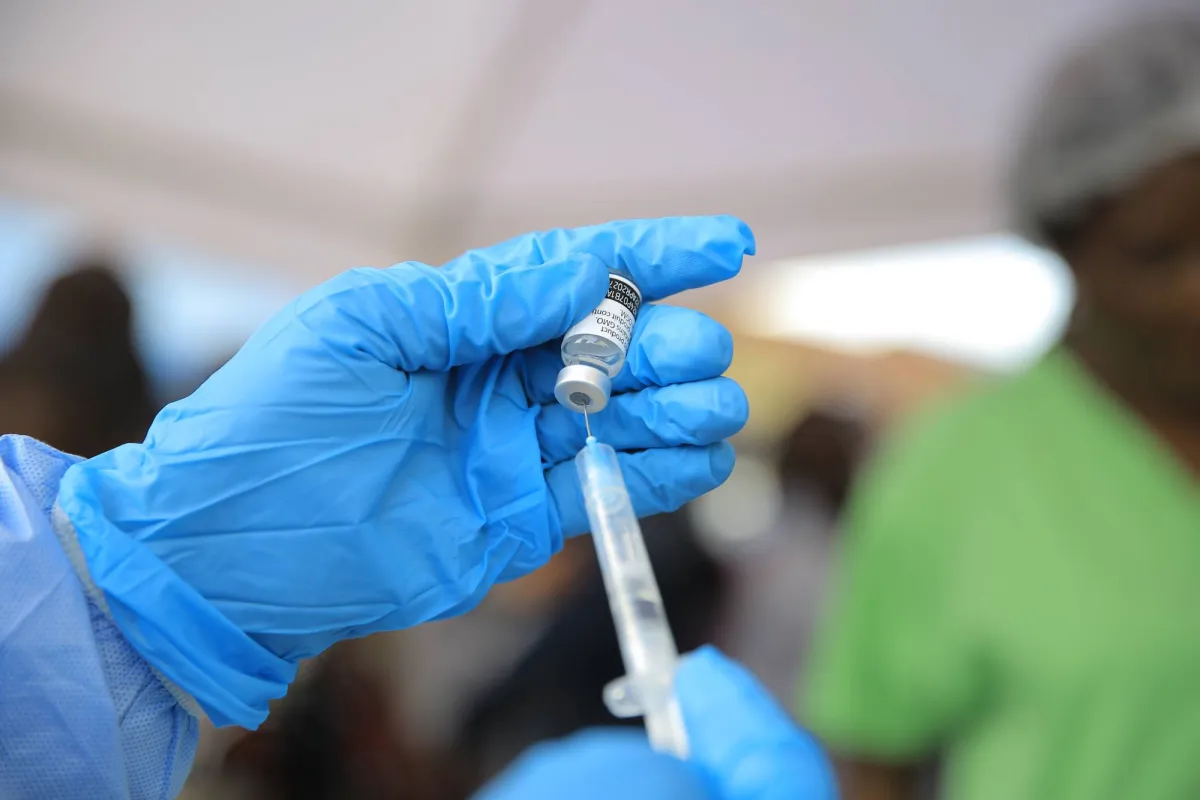
- Core Development: French health authorities have confirmed the first recorded human infection of the livestock pathogen Shamonda virus in an immunocompromised patient who died in October, though officials stress there is no wider risk.
- Beat Context: Categorized under World with independent corroboration.
- Reporting Depth: 3 minute analytical read synthesized from verified newsroom sources.
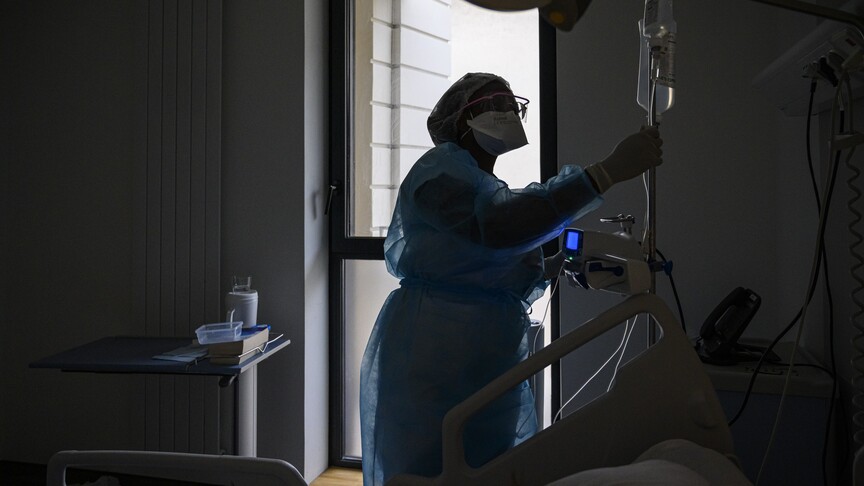
French health authorities announced that the Shamonda virus, a pathogen typically found in livestock, has been detected in a human for the first time. The patient, who was severely immunocompromised and receiving treatment for a serious illness at the Hospices Civils de Lyon in the country's third-largest city, died in early October according to Anadolu Ajansı. Despite decades of the virus circulating across parts of Africa and Asia since its initial discovery in Nigeria in the mid-1960s, human infection had never previously been documented, prompting joint statements from the French health and agriculture ministries emphasizing that the pathogen had long been considered non-transmissible to people.
Government officials have reiterated that no health risk to the general population has been identified based on current knowledge. Preliminary findings indicate that neurological complications observed in the patient prior to death were very likely linked to the infection according to Euronews. Clinical, biological, and epidemiological investigations remain ongoing to determine whether the virus directly caused or contributed to the fatality according to Devdiscourse.
Media additions

The leading hypothesis among investigators is that the patient was infected through vector transmission via the bite of a *Culicoides* midge. This insect-borne orthobunyavirus belongs to the Simbu serogroup and shares genetic links with the Schmallenberg virus reported the Mirror. The midge is believed to have bitten the patient in eastern France, an area where the pathogen circulated among farm animals throughout the spring and summer of 2026.
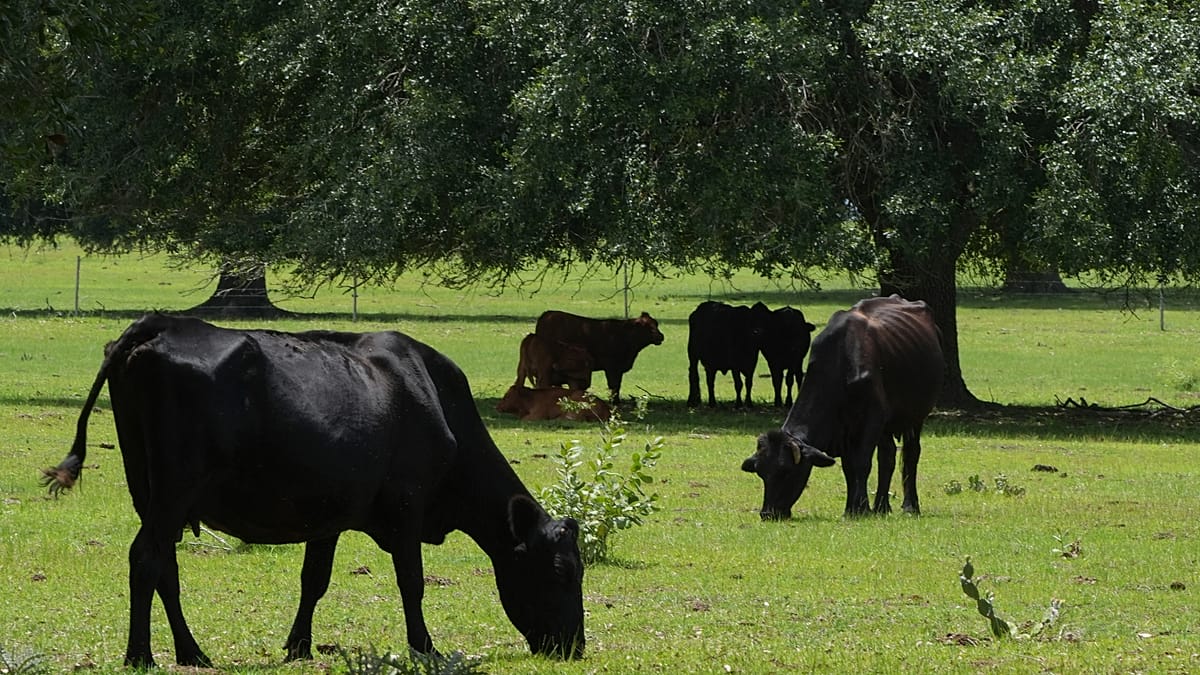
The virus made its first recorded appearance in Europe this summer, surfacing initially on cattle farms in Germany before spreading to other western European nations. Cattle serve as the primary animal hosts, though sporadic infections have also been identified in smaller livestock, sheep, goats, horses, and alpacas noted The Local. Symptoms in adult cattle typically include acute fever, diarrhoea, lethargy, abdominal discomfort, and steep drops in milk production, while infections in pregnant animals have been linked to miscarriages and congenital birth defects according to AOL.co.uk.
The regional spread across Europe has been extensive, as captured in monitoring reports from animal health institutions:
| Entity / Source | Geographic Scope of Spread | Key Details |
|---|---|---|
| French Animal Health Surveillance Bulletin | 14 western European countries | Virus detected widely in cattle farms and smaller livestock during summer noted The Local. |
| World Organisation for Animal Health (WOAH) | Europe, Africa, and Japan | Spreads via biting midges; no commercially available vaccines currently exist for animals reported Devdiscourse. |
| UK Animal and Plant Health Agency (APHA) | Jersey and continental farms | Noted infections in cows and warned of congenital abnormalities in pregnant livestock reported the Mirror. |
Both the World Health Organization and the European Centre for Disease Prevention and Control (ECDC) have been officially notified of the development. The Stockholm-based ECDC confirmed it is in direct contact with French authorities and European partners to evaluate potential public health implications, though officials emphasize the infection remains an isolated incident tied to severe pre-existing immunodeficiency.
As investigations proceed, health agencies and veterinary networks continue to monitor livestock populations for further midge-borne transmission.
How significant is this development?
Contribute your assessment to the aggregated reader sentiment ledger.
Frequently Asked Questions
Key questions answered in this reportWhat is the key development in: France Reports 1st Human Shamonda Virus Case, Says No Health Risk?
French health authorities have confirmed the first recorded human infection of the livestock pathogen Shamonda virus in an immunocompromised patient who died in October, though officials stress there is no wider risk.
Why is this World development significant for the UK?
This report covers critical events in our World beat. Independent reporting monitors related UK statements, regulatory shifts, and public responses as further verified details emerge.
How was this reporting corroborated and verified?
Newsarchy UK compiles and cross-references reporting from primary reporting from thelocal.fr and cross-checked wire reports. All coverage adheres to published editorial standards.
When was this report published?
This briefing was published on October 22, 2026 and is permanently cataloged in the Newsarchy UK World archives.


