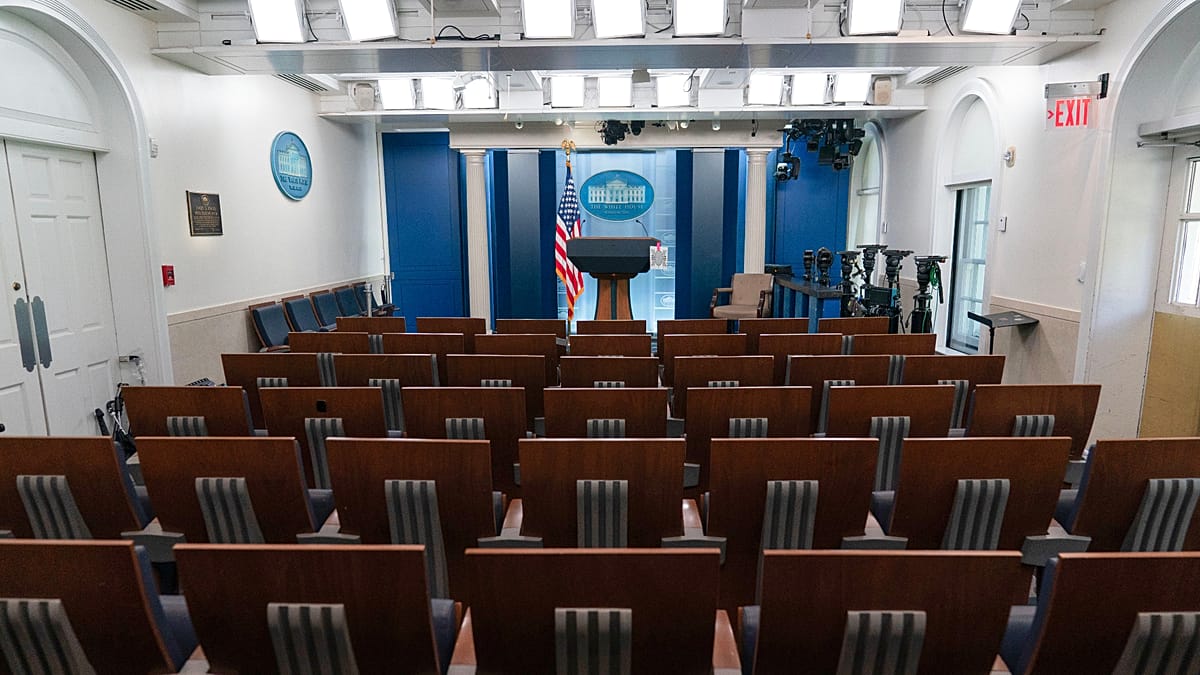
WATCH LIVE: Trump addresses 2026 United Nations General Assembly
The 81st UN General Assembly began with Secretary‑General António Guterres’ opening address, while President Trump was set to speak on Iran, AI, and energy.
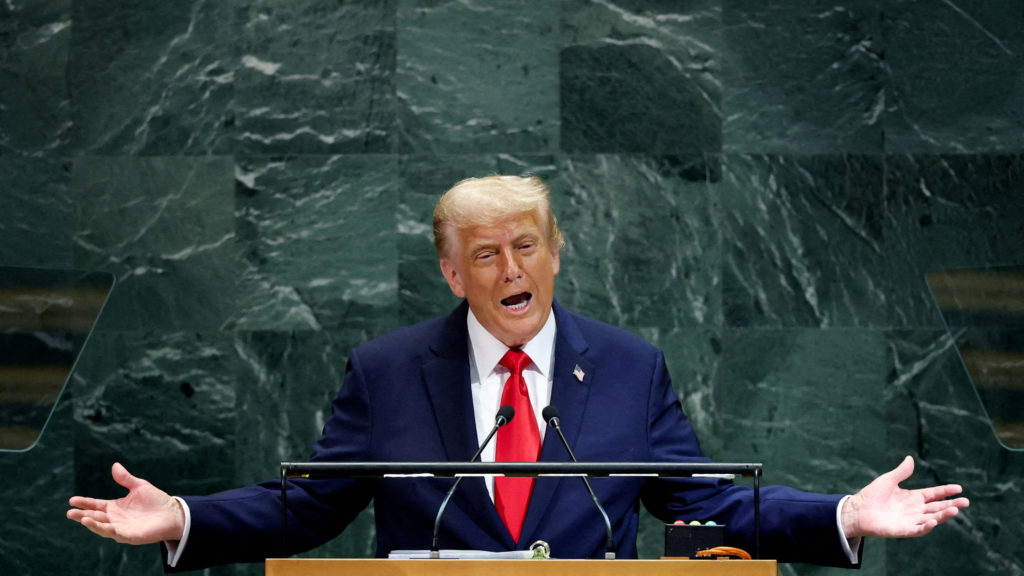
- Core Development: The 81st UN General Assembly began with Secretary‑General António Guterres’ opening address, while President Trump was set to speak on Iran, AI, and energy.
- Beat Context: Categorized under World with independent corroboration.
- Reporting Depth: 5 minute analytical read synthesized from verified newsroom sources.
The speech came at a time when global tensions over Iran, the rise of artificial intelligence, and the United Nations’ own future were all on the verge of decisive shifts.
The 81st session of the General Assembly opened with Guterres’ final speech, in which he called for a new dialogue on AI between the United States, China and other major powers, and warned that the “spectre of ethnic cleansing” loomed over Israeli settlements in the West Bank. His remarks framed the overarching agenda for the week, underscoring the urgency of de‑escalating the wars in Ukraine and Iran, restoring freedom of navigation in the Strait of Hormuz and the Bab el‑Mandeb, and tackling the climate and AI crises that threaten global stability.
Media additions
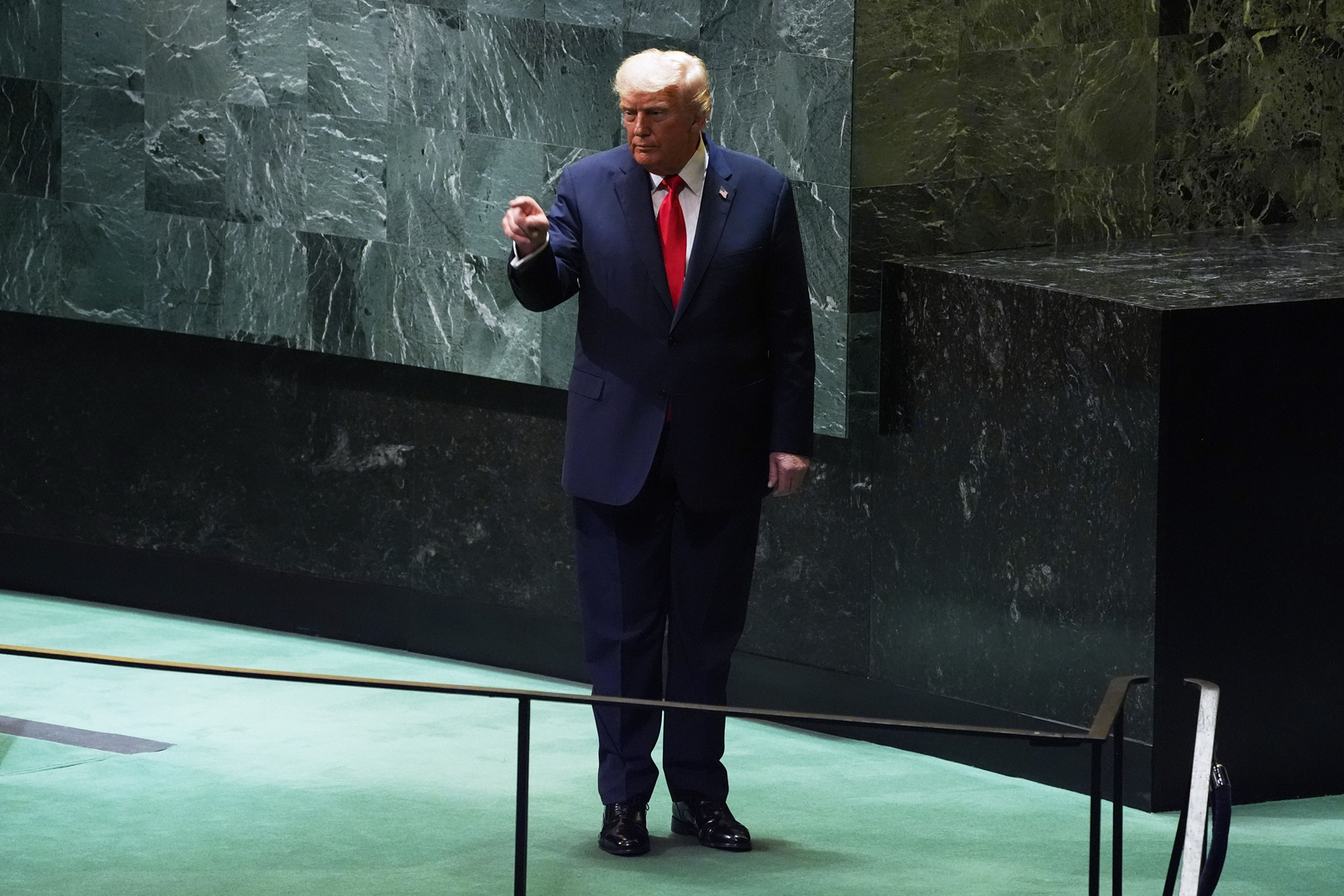

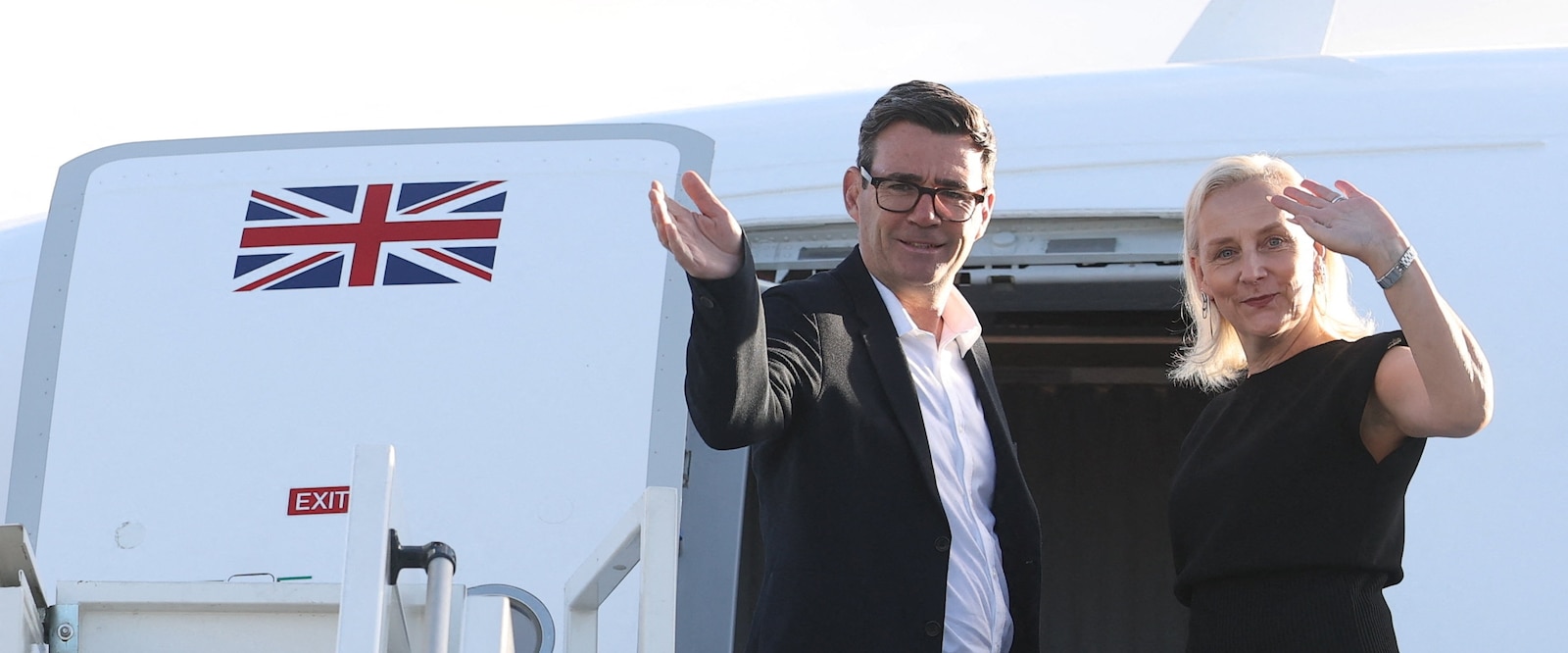
Trump’s own address was scheduled for 10 a.m. And was expected to focus on three pillars: the ongoing war with Iran, the rising cost of energy, and the social impact of AI.
He is set to meet a roster of world leaders on the sidelines – British Prime Minister Andy Burnham, Japanese Prime Minister Sanae Takaichi, Venezuelan interim President Delcy Rodríguez, Ukrainian President Volodymyr Zelenskyy, and the six Gulf Cooperation Council heads of state.
These meetings are designed to gauge Gulf sentiment on the Iran campaign and to secure further U.S. Support for Saudi Arabia against Houthi attacks.
In the lead‑up to the Assembly, Trump’s motorcade arrived at Gracie Mansion for a meeting with New York City Mayor Zohran Mamdani. The two leaders discussed local and national issues, ranging from housing to public safety, before the president’s speech. The city’s security apparatus was bolstered with a presence of thousands of NYPD officers, bomb squads, and drones, and extensive road closures were announced to protect the dignitaries and local residents.
On the diplomatic front, the Assembly’s schedule was packed. Brazil’s President Luiz Inácio Lula da Silva opened the debate, followed by Trump, and then French President Emmanuel Macron. The Assembly also features speeches from heads of state of key regional players: Ukrainian President Zelenskyy on Wednesday, Iranian President Masoud Pezeshkian on Thursday, and Israeli Prime Minister Benjamin Netanyahu on Thursday morning. The United Nations’ final agenda item is the election of a new Secretary‑General, a process that has stalled as the Security Council remains divided.
| Day | Key Speakers |
|---|---|
| Tuesday | Guterres (opening), Lula (Brazil), Trump, Macron (France) |
| Wednesday | Iran (Pezeshkian), Ukraine (Zelenskyy) |
| Thursday | Israel (Netanyahu) |
Trump’s speech is likely to revisit claims made in the 2025 bombardment of Iranian nuclear sites, a point he has insisted has “demolished” Iran’s nuclear capabilities.
In a pre‑speech briefing, Burnham said he would ask Trump to increase U.S. Support for Ukraine and to avoid criticism of Britain’s ban on trade with Israeli settlements.
He also highlighted the UK’s potential role as an “honest broker” in AI governance, citing London’s unique ties to both the United States and Europe.
Japanese Prime Minister Sanae Takaichi is also slated to speak for the first time as Japan’s head of government. She will address climate change, the rule of law, and the need for U.N. Reform, while signalling Japan’s intent to play a leading role in the Indo‑Pacific. Takaichi’s agenda includes a call for stronger energy supply chains and cooperation with the Global South on AI challenges.
In the Gulf, Trump is expected to hold a high‑level meeting with the heads of Bahrain, Kuwait, Oman, Qatar, Saudi Arabia and the United Arab Emirates. The focus will be on the war against Iran, the impact of Houthi attacks on Saudi infrastructure, and the broader question of regional security. A separate meeting with Houthi representatives in Oman was reported, where the rebels pledged to avoid targeting American vessels and to uphold a 2025 ceasefire.
Venezuelan interim President Delcy Rodríguez will make her first appearance at the Assembly. Her meeting with Trump follows the U.S. Military operation that removed former President Nicolás Maduro from power and brought him to New York on charges of narco‑terrorism. Rodríguez’s presence signals a potential shift in U.S.–Venezuelan relations, with a recent oil deal that gives the Pentagon a stake in Venezuelan fields.
Ukraine’s President Zelenskyy is scheduled to meet Trump on Tuesday afternoon. The discussion will focus on the winter support package for Ukraine, the renewal of SAMP/T air‑defence systems and the potential for a new energy ceasefire in the Black Sea. Zelenskyy has previously highlighted the risk of Russia targeting Ukrainian energy infrastructure, a concern that Trump is expected to address in his speech.
Notably, the United Nations voted to allow Palestinian President Mahmoud Abbas to address the Assembly via video, a second consecutive year after a visa denial.
As the Assembly progresses, the U.N. Faces an uncertain future. Trump’s decision to scale back U.S. Financial contributions to the organisation has raised questions about its viability. Guterres’ final address will also highlight the need for reform, including the removal of the “unjust” permanent seat allocation on the Security Council and a call for a broader representation of African nations.
Looking ahead, the search for a new Secretary‑General remains stalled. Candidates include former Vice President Rebeca Grynspan of Costa Rica and former Foreign Minister Carolyn Rodrigues Birkett of Guyana.
The Security Council’s division over the selection process means the Assembly’s final vote could be delayed until the end of the year, after which the U.N. Will need to appoint a new chief to steer the organisation through the crises that dominate the 81st session.
In the days following Trump’s address, observers will watch how the United States’ stance on Iran evolves, whether the Gulf leaders will push for a negotiated settlement, and how the United Kingdom positions itself on AI governance.
The Assembly’s outcomes will shape the diplomatic landscape for the coming months, as leaders grapple with the twin challenges of maintaining global security and fostering cooperation on emerging technologies.
How significant is this development?
Contribute your assessment to the aggregated reader sentiment ledger.
Frequently Asked Questions
Key questions answered in this reportWhat is the key development in: WATCH LIVE: Trump addresses 2026 United Nations General Assembly?
The 81st UN General Assembly began with Secretary‑General António Guterres’ opening address, while President Trump was set to speak on Iran, AI, and energy.
Why is this World development significant for the UK?
This report covers critical events in our World beat. Independent reporting monitors related UK statements, regulatory shifts, and public responses as further verified details emerge.
How was this reporting corroborated and verified?
Newsarchy UK compiles and cross-references reporting from primary reporting from PBS and cross-checked wire reports. All coverage adheres to published editorial standards.
When was this report published?
This briefing was published on September 22, 2026 and is permanently cataloged in the Newsarchy UK World archives.