ASX climbs as US Treasury bond buyback lifts gold miners
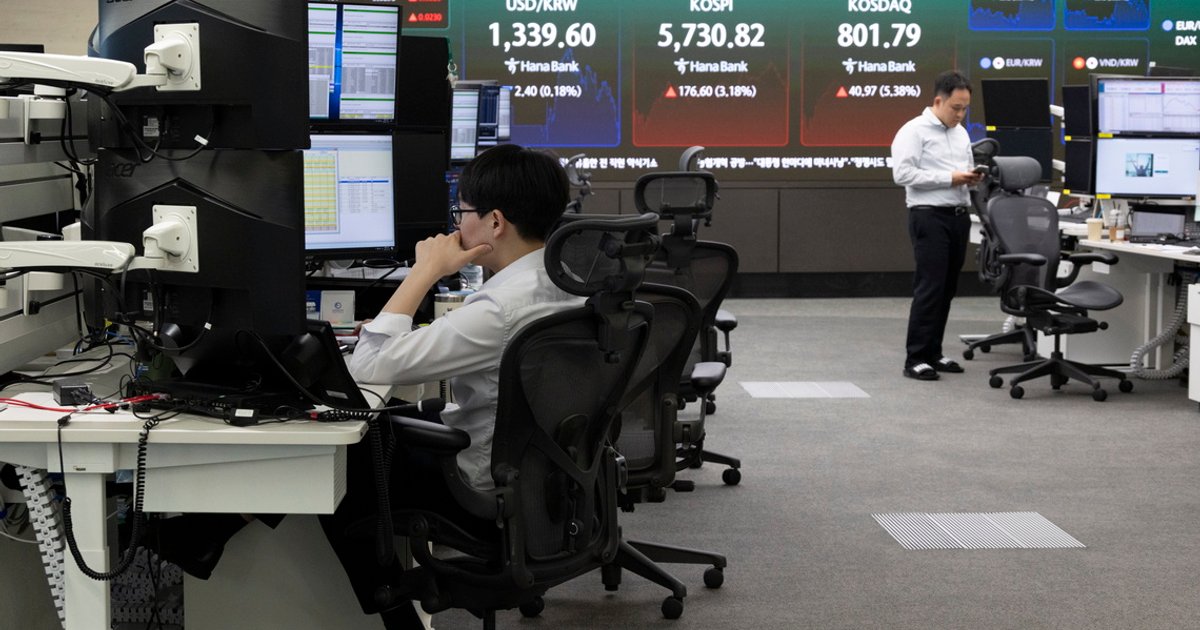
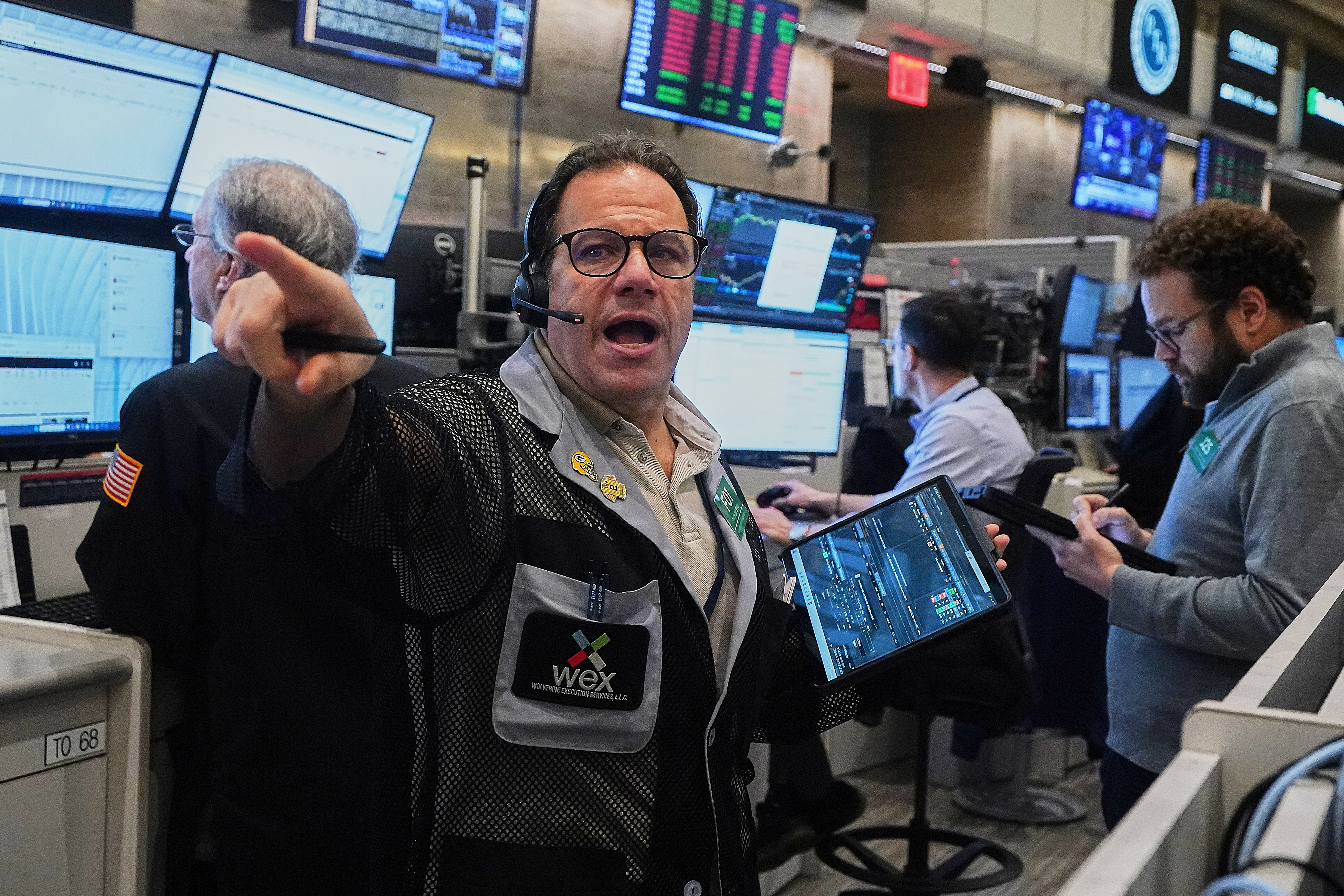
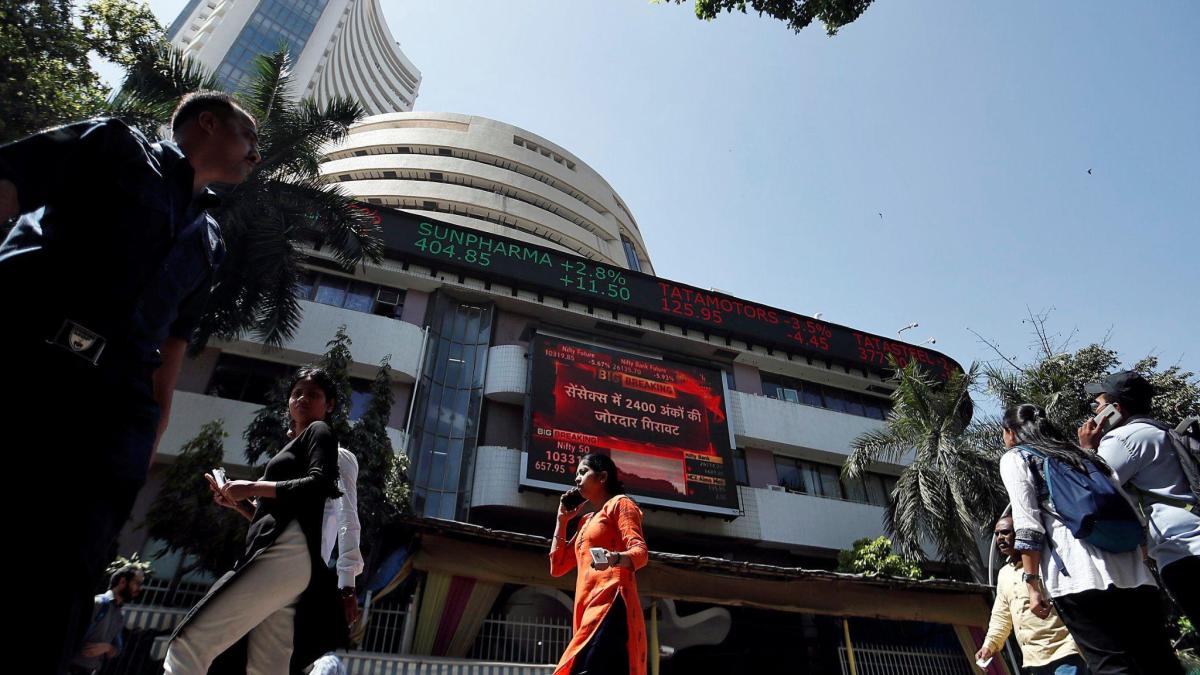
The S&P/ASX 200 snapped a six-session slide, rising 19.8 points as a U.S. Treasury debt buyback initiative sent bond yields lower and boosted gold miners.
- Core Development: The S&P/ASX 200 snapped a six-session slide, rising 19.8 points as a U.S. Treasury debt buyback initiative sent bond yields lower and boosted gold miners.
- Beat Context: Categorized under Business with independent corroboration.
- Reporting Depth: 4 minute analytical read synthesized from verified newsroom sources.
On Thursday 20 August 2026, the S&P/ASX 200 edged upward, adding 19.80 points — or 0.2 per cent — to finish at 9,073.60 as of 12.06 pm AEST, according to market data. This modest gain snapped a six-session slide for the Australian sharemarket.
The market turnaround followed a surprise announcement from the U.S. Treasury Department regarding its debt buyback plans. According to the Treasury, the department planned to at least double the size of its purchases of longer-term Treasurys from 9 September through 4 November 2026. The U.S. Treasury stated that the move was designed to provide greater liquidity support in longer-dated nominal sectors where there is consistent strong sponsorship from market participants.
Bond yields responded quickly to the announcement. The 10-year Treasury yield slipped to 4.64 per cent from 4.71 per cent late Tuesday, while the 30-year Treasury yield fell to 5.18 per cent from 5.28 per cent late Tuesday, according to reported figures. Despite the immediate relief, analysts expressed caution about the longevity of the intervention.
"The boost to buybacks is also happening in a world of challenged Fed credibility."
BNP Paribas strategists, via SMH
Strategists at BNP Paribas added that they do not believe buybacks will be enough to offset a continued loss in Fed credibility, describing the intervention as necessary, but not sufficient.
Lower bond yields provided relief to non-yield-bearing assets such as gold. Spot gold was trading above US$4,500 an ounce after surging more than 4 per cent on Wednesday, marking its strongest weekly gain in six months according to market reports. The rising bullion price fueled a broad rally across gold-mining equities.
Northern Star Resources rallied 6.7 per cent after reporting that its net income soared 24 per cent to $1.7 billion in the year to June 30, aided by a 26 per cent rise in the average price it received for its gold. Rival gold miners Evolution Mining and Newmont jumped 8.4 per cent and 6.9 per cent respectively.
Other major miners presented a mixed performance. Fortescue slipped 0.4 per cent after reporting a net profit of US$2.9 billion for the 12 months to June 30, down 15 per cent from the previous year. Fortescue's results came amid ongoing negotiations with China's state-backed iron ore buyer, China Mineral Resources Group, which imposed restrictions on shipments of Super Special Fines. By contrast, larger rivals BHP and Rio Tinto gained 2.2 per cent and 1.3 per cent respectively as iron ore prices remained buoyant.
The broader Australian market saw varied sector movements. Technology stocks recovered despite overnight falls by U.S. Big Tech firms. Software makers Xero and WiseTech rose 2.3 per cent and 6.1 per cent respectively, with WiseTech rebounding after slumping nearly 9 per cent on Wednesday following an Australian Competition and Consumer Commission search warrant on its offices. Codan soared 11.9 per cent after reporting a 69 per cent profit jump and a 70 per cent dividend increase. Healthcare stocks also advanced, led by a 4.9 per cent jump in CSL following the company's earlier forecast of a return to profit growth. ProMedicus rose 3.5 per cent and ResMed added 3 per cent.
Financial shares faced downward pressure, with all of the major four banks trading lower in lunchtime trade. Commonwealth Bank lost 2.3 per cent, National Australia Bank and Westpac each shed 1.8 per cent, and ANZ dropped 1.3 per cent. Property and retail firms showed mixed results; Goodman Group slipped 3.1 per cent despite reporting a 15.7 per cent jump in full-year operating profit to $2.67 billion driven by data centre demand, while Super Retail Group rallied 16 per cent after posting a $206 million full-year profit.
Meanwhile, the Australian dollar slipped to US71.16¢. The currency's decline coincided with Australian Bureau of Statistics labor data showing that the nation's unemployment rate unexpectedly rose to 4.5 per cent in July 2026, surpassing economists' estimates of 4.4 per cent. The data indicated that the economy shed 15,800 jobs during the month, driven mainly by part-time roles, against a predicted increase of 12,000 jobs.
The Reserve Bank of Australia has characterized the labor market as a little tight following three interest rate hikes earlier in the year. In its quarterly forecast update released the prior week, the central bank projected that the jobless rate would gradually drift higher over the coming couple of years.
Market participants continue to monitor global economic triggers, including the U.S. Treasury's buyback window running through 4 November 2026, upcoming RBA monetary policy decisions, and ongoing corporate earnings reports.
How significant is this development?
Contribute your assessment to the aggregated reader sentiment ledger.
Frequently Asked Questions
Key questions answered in this reportWhat is the key development in: ASX climbs as US Treasury bond buyback lifts gold miners?
The S&P/ASX 200 snapped a six-session slide, rising 19.8 points as a U.S. Treasury debt buyback initiative sent bond yields lower and boosted gold miners.
Why is this Business development significant for the UK?
This report covers critical events in our Business beat. Independent reporting monitors related UK statements, regulatory shifts, and public responses as further verified details emerge.
How was this reporting corroborated and verified?
Newsarchy UK compiles and cross-references reporting from primary reporting from smh.com.au and cross-checked wire reports. All coverage adheres to published editorial standards.
When was this report published?
This briefing was published on August 20, 2026 and is permanently cataloged in the Newsarchy UK Business archives.