US stocks rise as Treasury move eases bond market pressure
US stocks rebounded on Wednesday following a Treasury Department intervention designed to relieve severe pressure on the bond market.
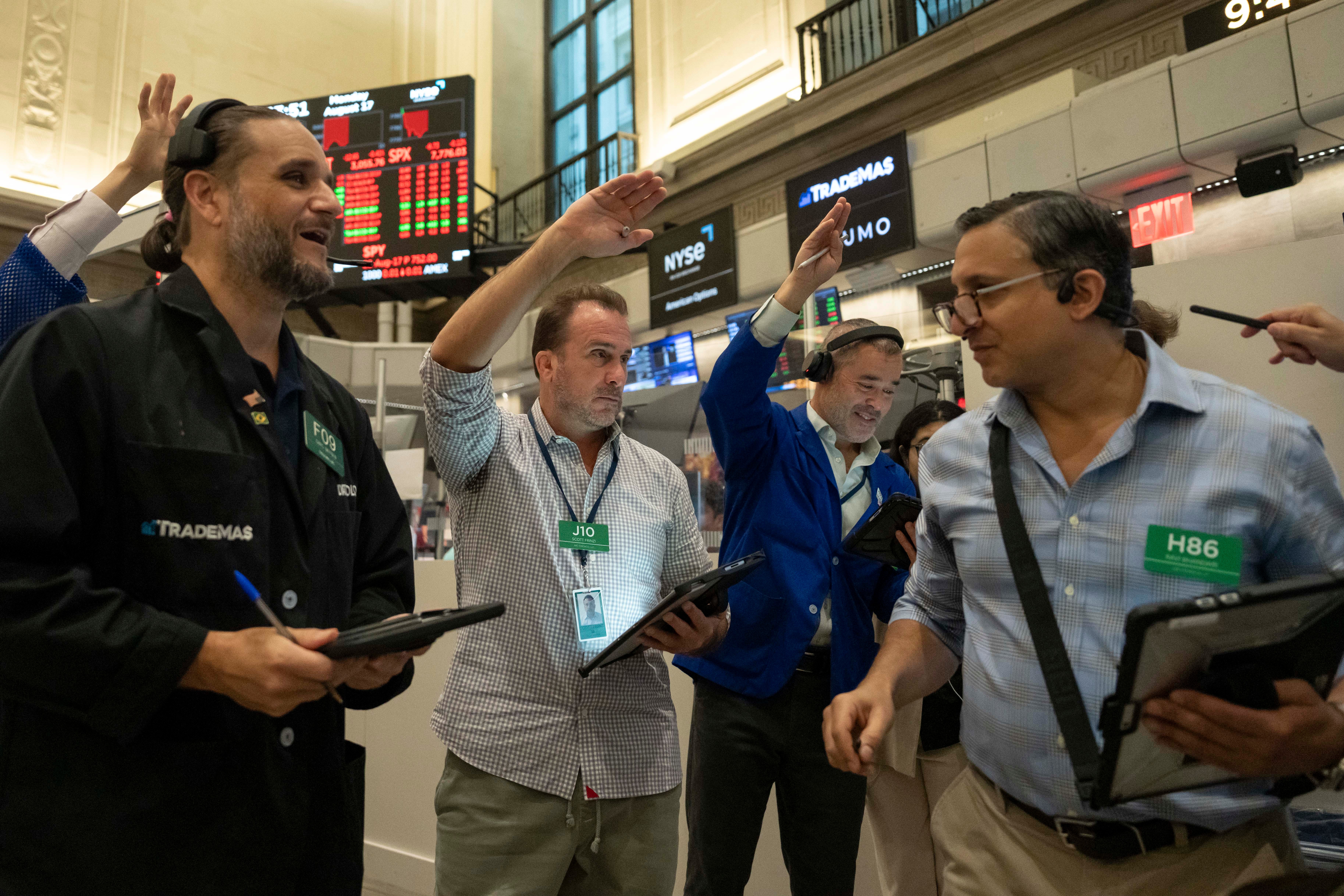
- Core Development: US stocks rebounded on Wednesday following a Treasury Department intervention designed to relieve severe pressure on the bond market.
- Beat Context: Categorized under Business with independent corroboration.
- Reporting Depth: 4 minute analytical read synthesized from verified newsroom sources.
U.S. Stocks rose on Wednesday, August 19, 2026, halting a multi-day slide after the U.S. Treasury Department announced an intervention designed to relieve intense pressure on the bond market. The move brought temporary relief to Wall Street and global financial markets that had been reeling from surging borrowing costs, persistent inflation worries, and ballooning government deficits. Financial markets had faced mounting strain through the summer as Treasury yields climbed. Higher yields make borrowing more expensive for households and corporations alike, weighing on economic growth and undercutting equity valuations. The S&P 500 managed a fractional gain for its first advance in four days after setting an all-time high the previous week. The Dow Jones Industrial Average and the Nasdaq composite also ticked upward as investors digested the policy shift alongside a fresh wave of better-than-expected corporate earnings.
To combat the turbulence, the U.S. Treasury Department stated that it will at least double the size of its planned repurchases of longer-term Treasurys. This intervention runs from Sept. 9 through Nov. 4, with officials aiming, according to the department, to provide greater liquidity support in longer-dated nominal sectors where there is consistent strong sponsorship from market participants.
Unlike short-term rates governed by the Federal Reserve, longer-term yields on 10-year and 30-year Treasurys are determined by bond market investors balancing risks such as inflation, government deficits, and geopolitical tensions. President Donald Trump has lobbied for the Fed to lower interest rates to help the economy, but longer-term yields are set instead by bond market participants demanding higher returns to offset mounting risks.
Media additions
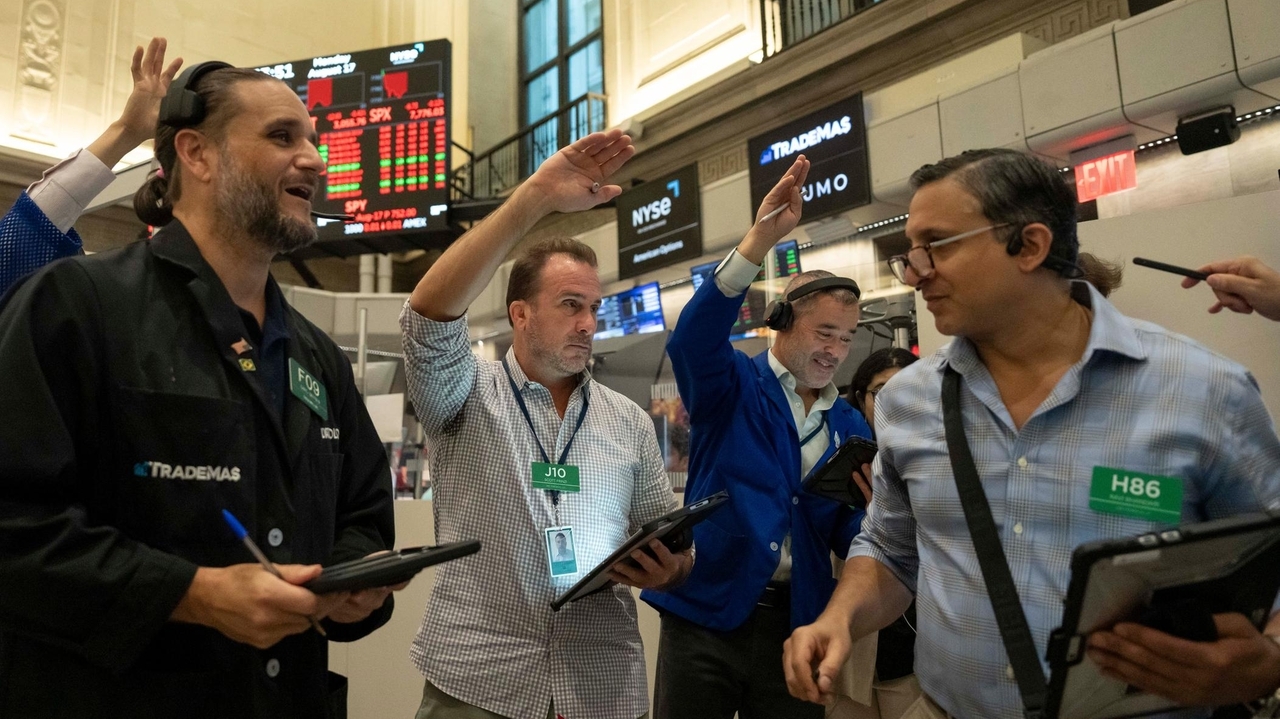


Prior to the announcement, the bond market alarm had driven yields to multi-year highs. The 10-year Treasury yield had topped 4.70% before pulling back to 4.65% following the Treasury's intervention, remaining well above its 3.97% level from before the war with Iran sent oil prices and inflation worries soaring. Meanwhile, the 30-year Treasury yield fell more sharply to 5.18% from 5.28% late Tuesday, after recently touching its highest level since 2007. The broader environment has driven similar pressures globally, with Japan's 10-year government bond yield touching its highest level in nearly 30 years and Germany's 10-year yield returning to 2011 levels. In the United States, higher Treasury yields have pushed average rates on 30-year fixed mortgages near their highest level in a year, while also threatening corporate borrowing costs for vital economic drivers such as artificial intelligence data centers.
Market analysts offered mixed reactions to the Treasury intervention. Strategists at BNP Paribas warned that the relief could prove short-lived. They noted that the proposed buyback amounts are a fraction of the total bond market and operate in an environment of challenged Federal Reserve credibility regarding inflation targets. We do not believe buybacks will be enough to offset a continued loss in Fed credibility,
the BNP Paribas strategists wrote in a report, characterizing the measures as necessary, but not sufficient.
Krishna Guha, an analyst at Evercore ISI, cautioned that the operation changes little regarding the underlying fundamentals, specifically the massive debt issuance required by Big Tech hyperscalers funding artificial intelligence data centers alongside government deficits. Guha warned that the move could even backfire if its limited firepower fails to sustain market confidence, noting that the bonds sold by AI hyperscalers compete directly with U.S. Treasurys for buyers.
Despite these macro headwinds, strong spring profit reports provided a vital cushion for equities. Estee Lauder rallied significantly after CEO Stéphane de La Faverie reported that a key measure of its revenue growth accelerated for a fourth straight quarter, with the strongest results coming from mainland China. The skin care company reported earnings per share of 39 cents excluding restructuring and other one-time expenses, up from 9 cents a year earlier and topping the 32 cents expected by analysts surveyed by FactSet. Target, Lowe's, and Toll Brothers also posted earnings that topped analyst expectations, helping offset losses across the broader market. Additionally, Moderna and Merck gained after announcing encouraging initial results from a co-developed melanoma cancer vaccine study showing improved recurrence-free survival when combined with Keytruda compared to Keytruda alone.
Conversely, Big Tech and semiconductor stocks faced heavier selling pressure. Broadcom fell 4.6% and weighed heavily on the S&P 500, while the Philadelphia Semiconductor Index dropped 5% amid a broader pullback in Nvidia, Micron Technology, and other chip-related shares. Overseas markets suffered steeper losses. Asian indices traded lower, with South Korea's Kospi slumping 5.8% amid heavy reliance on artificial intelligence stocks. The sharp decline prompted trading halts known as sidecars to pause program selling, while Tokyo's Nikkei 225 sank 3.2%. In India, foreign portfolio investors and domestic institutional investors recorded significant activity, though the Nifty 50 and BSE Sensex extended losses amid weak global cues and rising crude prices. Brent crude traded around $91 to $92 a barrel as uncertainty persisted over exports through the Strait of Hormuz amid escalating tensions between the U.S. And Iran.
What to watch next
- August 28, 2026: Federal Reserve Chair Kevin Warsh is scheduled to deliver a speech at the Fed's annual economic symposium in Jackson Hole, Wyoming.
- September policy meeting: Investors will parse upcoming central bank announcements and inflation data to gauge whether the Fed will hold steady or adjust interest rates.
- September 9, 2026: The U.S. Treasury Department's expanded long-term bond repurchase program officially begins, running through November 4, 2026.
How significant is this development?
Contribute your assessment to the aggregated reader sentiment ledger.
Frequently Asked Questions
Key questions answered in this reportWhat is the key development in: US stocks rise as Treasury move eases bond market pressure?
US stocks rebounded on Wednesday following a Treasury Department intervention designed to relieve severe pressure on the bond market.
Why is this Business development significant for the UK?
This report covers critical events in our Business beat. Independent reporting monitors related UK statements, regulatory shifts, and public responses as further verified details emerge.
How was this reporting corroborated and verified?
Newsarchy UK compiles and cross-references reporting from primary reporting from newsday.com and cross-checked wire reports. All coverage adheres to published editorial standards.
When was this report published?
This briefing was published on August 19, 2026 and is permanently cataloged in the Newsarchy UK Business archives.