Australian lamb prices hit record highs amid dwindling flocks and export demand
Australian lamb has become a luxury item as prices reach record highs, driven by shrinking domestic livestock numbers and intense international export demand.
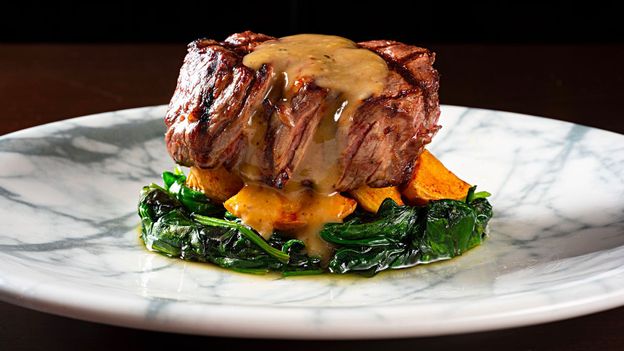
- Core Development: Australian lamb has become a luxury item as prices reach record highs, driven by shrinking domestic livestock numbers and intense international export demand.
- Beat Context: Categorized under Business with independent corroboration.
- Reporting Depth: 3 minute analytical read synthesized from verified newsroom sources.
Australian lamb has transitioned into a luxury item at the butcher’s counter, driven by soaring prices, dwindling domestic livestock numbers, and intense international competition for exports.
For decades, traditional British colonial food heritage, Australia’s vast sheep industry, and abundant pastureland secured lamb as an affordable and accessible dinner staple across the country. That reality has shifted dramatically. Grant Hilliard, owner of the Feather and Bone Butchery in Sydney, reports that lamb prices have reached the highest levels he has witnessed in two decades, noting that shoppers frequently hesitate when viewing the cost of individual cuts.
"People look at the price of a cutlet and think 'that's very expensive' ."
Grant Hilliard, Owner of Feather and Bone Butchery, via Nine.com.au
According to RaboResearch senior animal proteins analyst Angus Gidley-Baird, the domestic lamb sector is grappling with structural challenges. Australian sheep flocks have dwindled to some of the lowest levels seen in recent years, with farm stocks touching historical lows. Rather than tending to labor-intensive sheep operations, many producers are turning toward crop farming to capture high grain prices. At the same time, overseas demand from lucrative export destinations such as the United States, China, and the Middle East is pulling Australian product offshore, pitting local shoppers against international buyers willing to pay higher rates. Gidley-Baird noted that global consumers might be willing to pay more, leading to a scenario where more product shifts into the export market.
Export data compiled by Meat and Livestock Australia indicates that lamb shipments were valued at more than $4 billion during the twelve-month period ending in May 2025. These market dynamics are directly reflected in retail spending. Gidley-Baird calculated that the average retail price for lamb reached $20.36 a kilogram in August 2026, compared with $16.94 recorded in August 2024. Further compounding downward pressure on local flocks, the federal government enacted a ban on exporting live sheep by sea, scheduled to take effect in May 2028, which previously sparked widespread protests from agricultural producers.
| Metric / Period | Average Retail Price | Export Valuation |
|---|---|---|
| August 2024 | $16.94 per kilogram | — |
| August 2026 | $20.36 per kilogram | — |
| June 2024 – May 2025 | , | More than $4 billion |
Similar historical shifts have affected agricultural commodities globally. Historical transformations show that items once viewed as unwanted or exclusively for the impoverished, such as lobster and oysters, eventually shifted into expensive gourmet delicacies due to overfishing, industrial pollution, and transportation developments, as detailed by BBC Future coverage. Conversely, items like sugar and salmon lost their luxury status as large-scale farming increased their availability.
Looking at broader dietary shifts, researchers note that meat consumption faces mounting pressures from climate policies and changing societal tastes. Animal farming accounts for a significant share of global greenhouse gas emissions, leading experts to suggest that environmental degradation and potential future meat taxes could permanently alter consumer habits. Within Australia, however, butchers like Hilliard suggest that consumers can adapt by exploring less popular cuts, such as lamb ribs from well-raised animals, which continue to offer accessible nourishment while premium products climb out of reach.
As the market adjusts to constrained domestic supplies and steady overseas demand, higher prices appear firmly entrenched.
How significant is this development?
Contribute your assessment to the aggregated reader sentiment ledger.
Frequently Asked Questions
Key questions answered in this reportWhat is the key development in: Australian lamb prices hit record highs amid dwindling flocks and export demand?
Australian lamb has become a luxury item as prices reach record highs, driven by shrinking domestic livestock numbers and intense international export demand.
Why is this Business development significant for the UK?
This report covers critical events in our Business beat. Independent reporting monitors related UK statements, regulatory shifts, and public responses as further verified details emerge.
How was this reporting corroborated and verified?
Newsarchy UK compiles and cross-references reporting from primary reporting from BBC and cross-checked wire reports. All coverage adheres to published editorial standards.
When was this report published?
This briefing was published on November 8, 2026 and is permanently cataloged in the Newsarchy UK Business archives.