Barclays to Cut 5,000 Jobs in AI-Fueled Push to Lower Costs
British banking giant Barclays is eliminating 5,000 roles in a technology and automation-driven cost-reduction effort, alongside a 12% rise in third-quarter pre-tax profits.

- Core Development: British banking giant Barclays is eliminating 5,000 roles in a technology and automation-driven cost-reduction effort, alongside a 12% rise in third-quarter pre-tax profits.
- Beat Context: Categorized under Business with independent corroboration.
- Reporting Depth: 4 minute analytical read synthesized from verified newsroom sources.
British banking giant Barclays announced plans to eliminate 5,000 roles across its global operations, representing approximately 5% of its total workforce, as part of a sweeping strategy to lower overheads through technology and automation. The structural overhaul arrives alongside a third-quarter earnings report that revealed rising profitability even as fixed-income trading desks suffered steep revenue declines, setting the stage for wider questions regarding how financial institutions manage workforce reductions during periods of technological transition.
The announcement was detailed alongside financial figures released on Thursday, 22 October 2026, showing that the London-headquartered lender generated a pre-tax profit of £2.3 billion for the third quarter. According to The Guardian, this performance marked a 12% increase compared to the same period in the prior year. Nevertheless, group income fell slightly short of analyst forecasts, dampened by a significant slump in bond trading.
Media additions
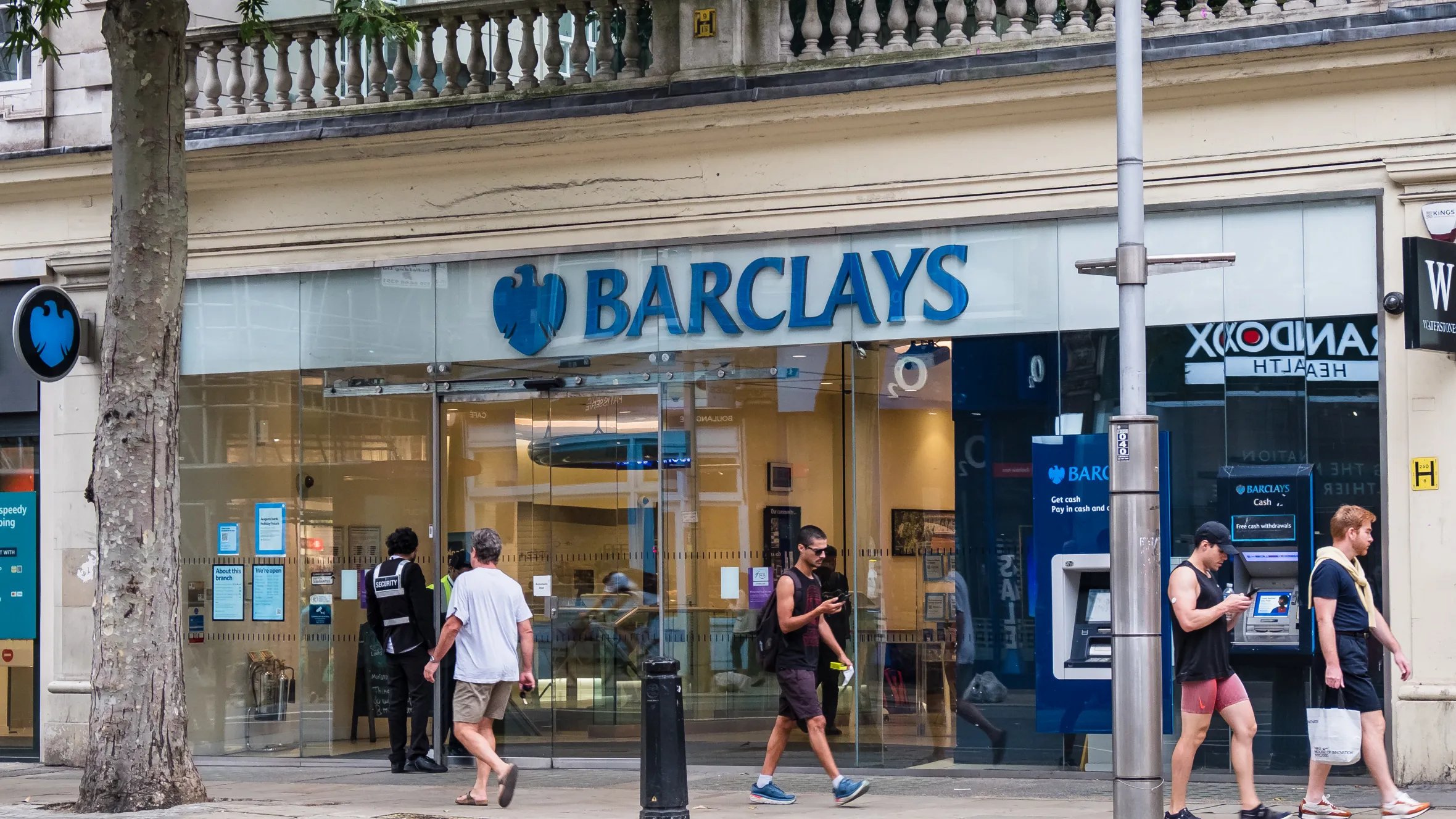


Revenue from fixed income, currencies, and commodities dropped 19% year-on-year to £1.01 billion, driven by lower client activity in rates and credit alongside late-quarter macroeconomic headwinds. That downturn contrasted sharply with a 47% surge in revenue from the bank's equities desk, which posted its strongest performance since the aftermath of the Lehman Brothers acquisition. Retail banking operations remained broadly stable in the UK and flat across US consumer segments, yet overall totals missed several key estimates compiled by financial analysts.
To offset operational pressures and generate capacity for ongoing investment, executives confirmed that the workforce reduction plan is well underway. As reported by Techbooky, Chief Financial Officer Anna Cross told reporters that roughly 1,000 positions had already been trimmed earlier in the year, leaving the remaining reductions scheduled to take place before the conclusion of the fourth quarter. Approximately 60% of these actions target support functions and developer teams.
Industry observers have scrutinized the exact role that automation plays in the cuts. While executive statements frequently link the organizational restructuring to artificial intelligence and technology-driven efficiency, leadership has been careful to contextualize software deployments. Addressing reporters on an earnings call, Chief Executive Officer CS Venkatakrishnan noted that artificial intelligence functions primarily as a complementary enhancement to broader digital upgrades.
Venkatakrishnan added that the bank focused extensively on modernizing its underlying infrastructure before applying advanced artificial intelligence workflows. Financial analyst Will Howlett of Quilter Cheviot, cited by IndexBox, remarked that the announcement highlights a critical turning point for the banking sector, where long-term technology outlays finally translate into fewer personnel required to operate core systems. Analysts project that these efficiency measures will yield over £1.1 billion in savings, aiding profitability targets.
| Financial Metric | Q3 Performance | Year-on-Year Change / Context |
|---|---|---|
| Pre-Tax Profit | £2.3 billion | Up 12% from the previous year |
| Equities Revenue | Strong surge | Up 47%, best performance since 2009 |
| Fixed Income (FICC) Revenue | £1.01 billion | Down 19% amid lower client activity |
| Targeted Job Reductions | 5,000 total roles (~5%) | Includes ~1,000 cut in H1 2026 |
The restructuring aligns Barclays with broader corporate trends, as global financial institutions increasingly turn to automation to streamline back-office operations. Similar workforce streamlining initiatives have been adopted across international peers, including Standard Chartered, which outlined extensive back-office reductions tied to digital optimization over a multi-year horizon.
Investor response to the strategy was mixed. Shares in Barclays traded lower following the opening bell in London as markets digested the dual reality of robust profitability alongside missed headline revenue targets. Russ Mould, investment director at AJ Bell and cited by Yahoo Finance Australia, observed that a £500 million share buyback announcement failed to fully dispel market caution, which was compounded by wider concerns regarding prospective corporate tax adjustments in the upcoming government budget.
Labor organizations have voiced strong opinions regarding the juxtaposition of higher banking profits and large-scale staff reductions. Paul Nowak, general secretary of the Trades Union Congress, argued that major financial institutions retain ample capacity to contribute greater tax revenues to support households grappling with rising living expenses.
Regulatory scrutiny has also lingered near the background. Reports highlighted by financial outlets indicate that regulatory bodies, including the Bank of England, have examined disclosures regarding risk weightings within private credit portfolios. Barclays maintained that its risk management practices strictly adhere to established accounting and regulatory capital frameworks.
Looking ahead, stakeholders will monitor how effectively the bank executes its technology strategy without compromising operational resilience or customer service standards. Further developments are expected as executive leadership reports on fourth-quarter cost-saving milestones and prepares to navigate upcoming fiscal policy announcements.
How significant is this development?
Contribute your assessment to the aggregated reader sentiment ledger.
Frequently Asked Questions
Key questions answered in this reportWhat is the key development in: Barclays to Cut 5,000 Jobs in AI-Fueled Push to Lower Costs?
British banking giant Barclays is eliminating 5,000 roles in a technology and automation-driven cost-reduction effort, alongside a 12% rise in third-quarter pre-tax profits.
Why is this Business development significant for the UK?
This report covers critical events in our Business beat. Independent reporting monitors related UK statements, regulatory shifts, and public responses as further verified details emerge.
How was this reporting corroborated and verified?
Newsarchy UK compiles and cross-references reporting from primary reporting from شبكة تواصل الإخبارية and cross-checked wire reports. All coverage adheres to published editorial standards.
When was this report published?
This briefing was published on October 22, 2026 and is permanently cataloged in the Newsarchy UK Business archives.