Five former Barclays traders have rate-rigging convictions quashed
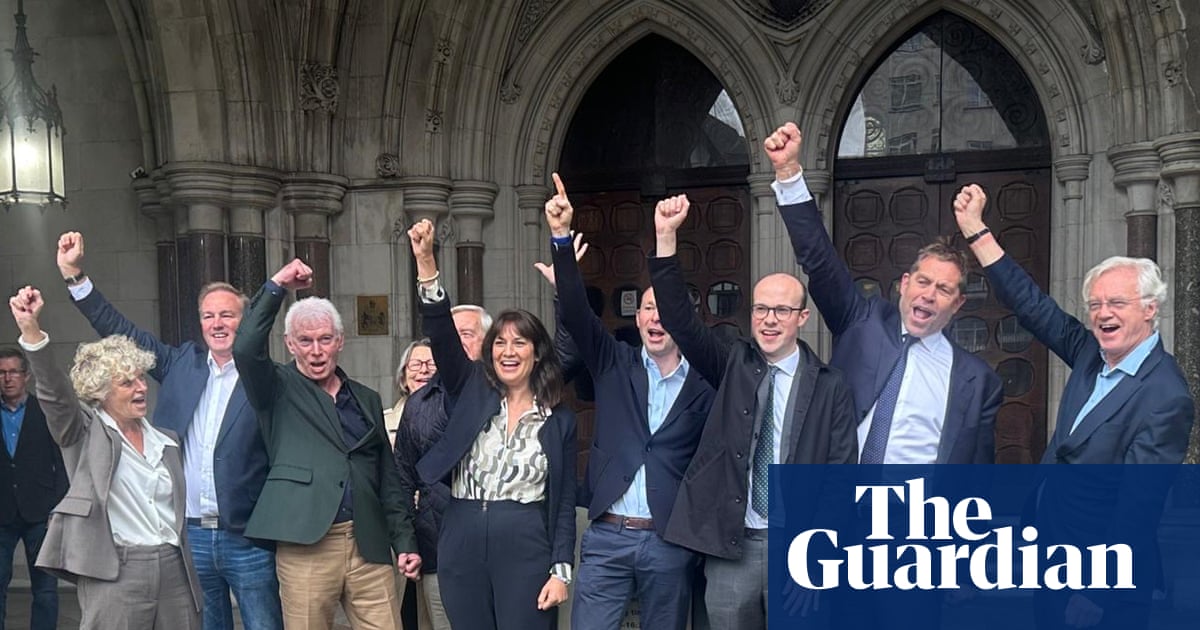
The Court of Appeal has overturned the convictions of five former Barclays traders following a landmark Supreme Court ruling on financial benchmark manipulation.
- Core Development: The Court of Appeal has overturned the convictions of five former Barclays traders following a landmark Supreme Court ruling on financial benchmark manipulation.
- Beat Context: Categorized under Business with independent corroboration.
- Reporting Depth: 4 minute analytical read synthesized from verified newsroom sources.
Five former Barclays traders have had their long-standing criminal convictions for manipulating global interest rate benchmarks overturned by the Court of Appeal in London. The landmark decision marks a major unravelling of high-profile white-collar prosecutions stemming from the 2008 financial crisis, following a legal battle that has spanned more than a decade.
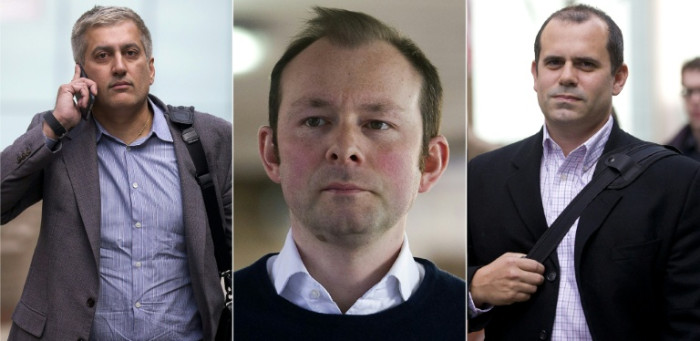
The ruling clears the names of Jay Merchant, Jonathan Mathew, Philippe Moryoussef, Alex Pabon, and Colin Bermingham, according to Bbc reporting. Each of the men had originally been convicted of a single count of conspiracy to defraud following trials concerning the manipulation of key financial benchmarks: the London Inter-Bank Offered Rate (Libor) and its euro equivalent, the Euro Interbank Offered Rate (Euribor). These mechanisms were vital to setting borrowing costs worldwide for ordinary financial products, including mortgages, car finance deals, and pensions.
Media additions


Lord Justice Andrew Edis stated during the hearing that a directly applicable decision of the Supreme Court determined the outcome of the appeals. That high court ruling, handed down in July 2025, cleared former UBS and Citigroup trader Tom Hayes and former Barclays trader Carlo Palombo. The Supreme Court found that trial judges had given inaccurate and unfair instructions to juries regarding the legal standards for dishonesty, effectively depriving the defendants of a fair trial and rendering their convictions unsafe.
Following the Supreme Court's verdict, the Criminal Cases Review Commission referred the cases of the five Barclays traders back to the Court of Appeal in January. Jason Williams, head of division at the Serious Fraud Office, said the agency concluded that the same legal defects impacted the remaining defendants after carefully considering the full circumstances of the case. Consequently, the SFO did not oppose the appeals.
During the original proceedings held between 2015 and 2019, prosecutors cast the defendants as symbols of banker greed amid intense public backlash against financial institutions that were rescued through taxpayer-funded bailouts while the wider economy entered deep recessions. Merchant, Mathew, Pabon, and Bermingham served varying jail terms following convictions across multiple trials. Moryoussef was convicted in his absence in 2018 and never served time in the UK because French authorities declined to extradite him, according to BBC reporting.
The personal toll of the decade-long ordeal weighed heavily on those involved. Jonathan Mathew, who was a junior trader in London at the time, reflected on the psychological burden he carried.
Mathew added that correcting the record was especially meaningful for his two children. Alex Pabon, whose prison sentence ranged from two to six and a half years, publicly thanked Tom Hayes for refusing to let the matter drop and pushing the legal fight through on behalf of the wider group."For the last 10 years, the stain of a criminal conviction has been a burden I have carried every minute of every day. Having this conviction quashed is not simply about correcting the record, it's about finally having validation that this is an injustice that never should have happened."
Jonathan Mathew, Former Barclays trader, via BBC
Legal experts note that the fallout from the Supreme Court's intervention casts a harsh spotlight on the investigative methods deployed during the height of the scandal. Tom Bushnell, a partner at the law firm Hickman & Rose who represented Merchant, Mathew, and Moryoussef, argued that the justice system must examine how the initial errors occurred and why it took so long to rectify them, according to The Guardian. Bushnell asserted that the SFO must reflect on its repeated failure to ensure fair trials during its most significant series of prosecutions.
Conversely, the SFO maintained that its original investigations uncovered substantial evidence of wrongdoing. Jason Williams noted that the Supreme Court acknowledged ample evidence existed on which a properly directed jury could have convicted Hayes and Palombo, though the agency ultimately decided that seeking retrials was not in the public interest, as reported by City AM.
The legal landscape surrounding the Libor scandal continues to shift. Libor itself was progressively phased out and formally abolished at the end of 2024, replaced by alternative benchmark rates. Meanwhile, attention turns to the remaining individuals who were convicted during the SFO's crackdown on benchmark manipulation.
Following Wednesday's ruling, only two traders retain convictions related to interest rate rigging: former Deutsche Bank trader Christian Bittar and former Barclays trader Peter Johnson, according to BBC reports. Christian Bittar, who pleaded guilty in 2018 and served two years in prison, is scheduled to challenge his conviction in court, while Peter Johnson, who acted as an initial whistleblower before pleading guilty on legal advice, also intends to appeal his case.
How significant is this development?
Contribute your assessment to the aggregated reader sentiment ledger.
Frequently Asked Questions
Key questions answered in this reportWhat is the key development in: Five former Barclays traders have rate-rigging convictions quashed?
The Court of Appeal has overturned the convictions of five former Barclays traders following a landmark Supreme Court ruling on financial benchmark manipulation.
Why is this Business development significant for the UK?
This report covers critical events in our Business beat. Independent reporting monitors related UK statements, regulatory shifts, and public responses as further verified details emerge.
How was this reporting corroborated and verified?
Newsarchy UK compiles and cross-references reporting from primary reporting from BBC and cross-checked wire reports. All coverage adheres to published editorial standards.
When was this report published?
This briefing was published on October 7, 2026 and is permanently cataloged in the Newsarchy UK Business archives.