Euro Falls to 16-Month Low Versus Pound on France’s Fiscal Risks
The euro has fallen against the British pound as compounding fiscal and political anxieties in France rattle European markets.

- Core Development: The euro has fallen against the British pound as compounding fiscal and political anxieties in France rattle European markets.
- Beat Context: Categorized under Business with independent corroboration.
- Reporting Depth: 4 minute analytical read synthesized from verified newsroom sources.
The euro has plunged to a multi-month trough against the pound, pressured by compounding fiscal and political anxieties centered on France, according to recent market reporting. As Yahoo! Finance Canada notes, the common currency dropped as much as 0.4% to 84.49 pence, sinking to its weakest level against British currency since June of last year and breaking beneath a low previously established in July. This downward slide forms part of a broader contraction that also saw the euro touch a 17-month low against the dollar earlier in the week, making it an underperformer among major Group-of-10 peers. The currency pressures are heavily tied to an escalating debt crisis in France, where missed deficit targets, policy gridlocks, and looming presidential contests threaten to reshape the nation's political trajectory.
The roots of the euro's decline lie in a severe market reaction to French public finances. According to Aol, the yield on France's 10-year OAT hovered around 4.67%, easing only slightly after a monumental sell-off that ranks among the sharpest in years. Meanwhile, Germany's 10-year Bund yield traded around 3.59%. The widening chasm between French and German borrowing costs—exceeding 110 basis points—serves as the primary indicator of the risk premium demanded by investors holding Paris debt. Ratings agency Scope responded to these mounting vulnerabilities by downgrading France, while the cost of insuring French sovereign debt against default surged to its highest mark in nearly ten years.
Media additions
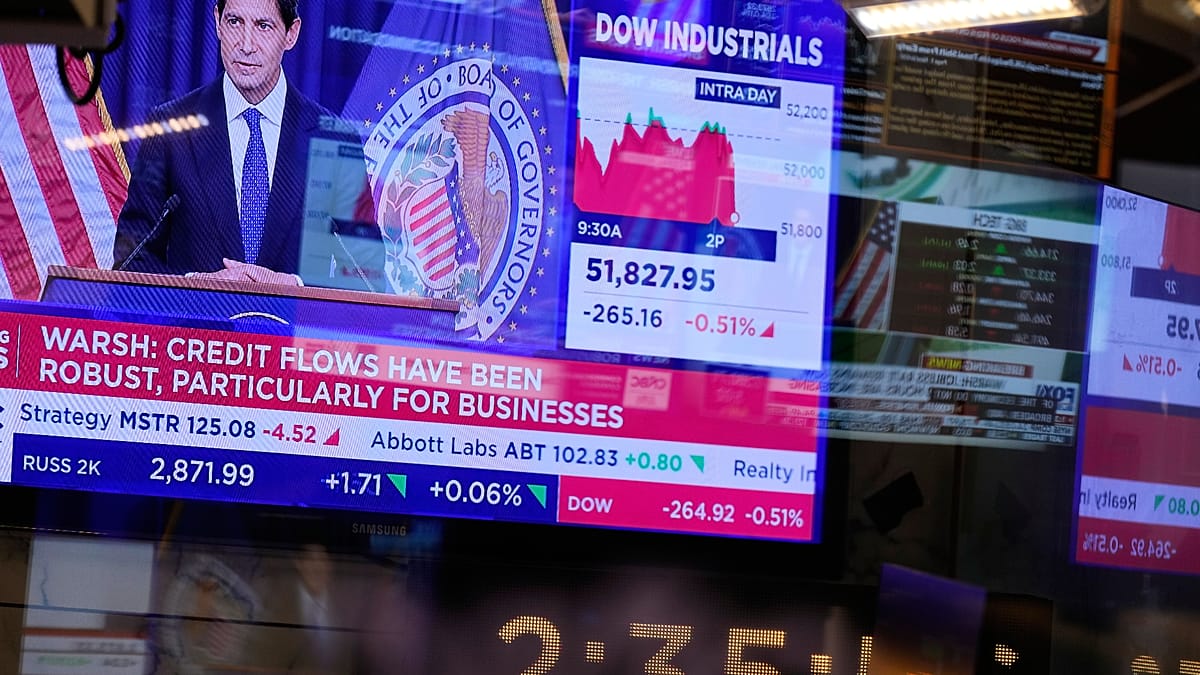
Political friction has exacerbated the economic strain across the currency bloc. Far-right French presidential candidate Marine Le Pen publicly urged the European Central Bank to intervene and tame soaring debt costs. Compounding matters, Spanish Prime Minister Pedro Sánchez called for snap elections, injecting fresh uncertainty into regional markets. Currency strategist Samara Hammoud of the Commonwealth Bank of Australia observed that political concerns in Europe will continue to pose downside risks to the euro, as reported by Yahoo! Finance Canada. In response to the shifting economic landscape, traders have pared down their wagers regarding further monetary tightening, with swaps now favoring three quarter-point interest rate increases by September 2027, down from four increases anticipated earlier.
The turmoil has also disrupted traditional correlations within global asset classes. As AOL reports, bonds have failed to act as a reliable safe haven during stock market wobbles, driven by persistent inflation and energy shocks linked to ongoing geopolitical conflict. Nick Saunders, CEO of online investment platform Webull UK, noted that bonds and stocks are falling simultaneously due to inflation. Saunders drew historical parallels to the early 1970s when energy shocks and wage pressures pushed gilt yields skyward while equities slumped, though he noted that modern economies feature less oil-intensive industries and greater labor market slack.
| Country / Asset | Key Yield / Metric | Context / Comparison |
|---|---|---|
| France (10-year OAT) | ~4.67% | Easing slightly after one of the sharpest bond routs in years. |
| Germany (10-year Bund) | ~3.59% | Serves alongside French yields to define the widest risk spread since 2012. |
| US 30-Year Treasury | ~5.5% | Hit its highest level since 2004 amid swelling government debt and oil price jumps. |
| US 30-Year Mortgage Rate | 7% | Reached its highest level since President Donald Trump took office in January 2025. |
Despite the severe pressures facing Paris, lead economists Ricardo Amaro and Daniel Kral suggested that the interest rate spike is mostly temporary and largely reflects a repricing of monetary policy responses to surging energy prices, as relayed by AOL. They added that most government budgets can comfortably absorb higher rates given the long average maturity of their existing debt. However, France and Italy remain notable exceptions. In a severe scenario, both nations would need to tighten fiscal policy by over one percentage point of gross domestic product simply to offset sustained rises in interest costs, whereas countries like Spain, Greece, and Portugal remain better positioned to weather the storm.
Financial markets will continue to monitor European policy shifts, upcoming political developments in France, and subsequent central bank communications as traders recalibrate portfolios away from traditional safe havens.
How significant is this development?
Contribute your assessment to the aggregated reader sentiment ledger.
Frequently Asked Questions
Key questions answered in this reportWhat is the key development in: Euro Falls to 16-Month Low Versus Pound on France’s Fiscal Risks?
The euro has fallen against the British pound as compounding fiscal and political anxieties in France rattle European markets.
Why is this Business development significant for the UK?
This report covers critical events in our Business beat. Independent reporting monitors related UK statements, regulatory shifts, and public responses as further verified details emerge.
How was this reporting corroborated and verified?
Newsarchy UK compiles and cross-references reporting from primary reporting from AOL.com and cross-checked wire reports. All coverage adheres to published editorial standards.
When was this report published?
This briefing was published on October 7, 2026 and is permanently cataloged in the Newsarchy UK Business archives.