Christa Pike conscious and speaking after botched Tennessee execution
Death row inmate Christa Pike has regained consciousness following a failed lethal-injection attempt in Tennessee, prompting an emergency court hearing and a suspension of state executions.
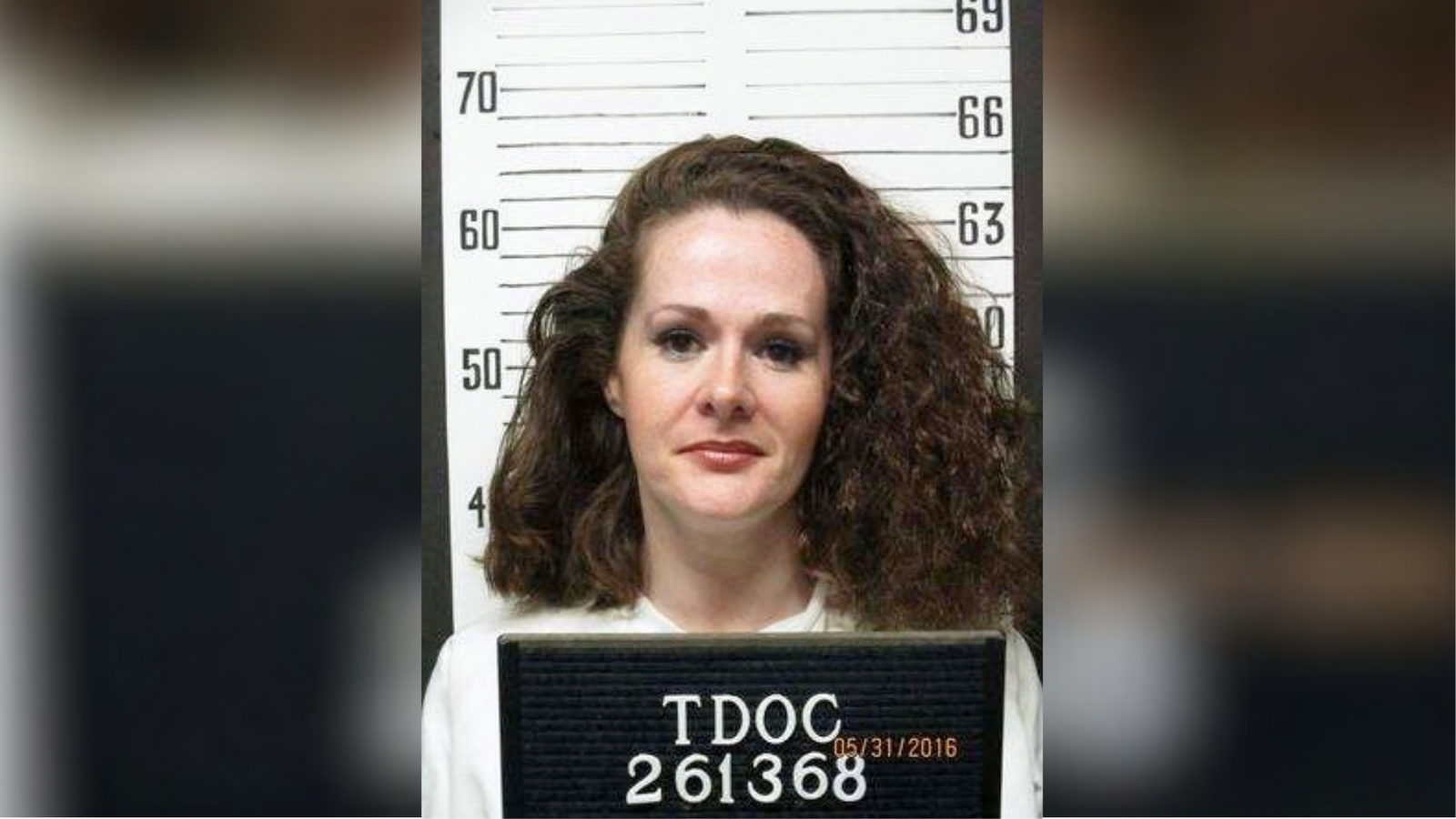
- Core Development: Death row inmate Christa Pike has regained consciousness following a failed lethal-injection attempt in Tennessee, prompting an emergency court hearing and a suspension of state executions.
- Beat Context: Categorized under World with independent corroboration.
- Reporting Depth: 5 minute analytical read synthesized from verified newsroom sources.
In a development that has stunned the United States and raised fresh questions about the death penalty, Christa Pike, a 50‑year‑old inmate on Tennessee’s death row, is now awake, speaking and receiving critical medical care after a lethal‑injection attempt that left her alive and severely injured. The incident, which took place on 30 September at the Riverbend Maximum Security Institution in Nashville, has triggered an emergency court hearing, a statewide halt to executions, and a resignation of the state’s top prison official.
The first public notice that Pike had regained consciousness came from her attorneys on Tuesday, 7 October. A statement released on the same day described her as “conscious, speaking, and continues to receive critical medical care” and noted that she “has severe damage to her arms” but remains handcuffed and shackled to the bed. The lawyers added that her prognosis “remains unclear but, at a minimum, we expect a long recovery.” The statement also expressed gratitude to the first responders and medical staff for treating her “like a human” and thanked thousands of people who sent messages of support.
Media additions



“Against all odds, Christa Pike is conscious, speaking, and continues to receive critical medical care,”
Randy Spivey and Kelly Gleason, attorneys for Christa Pike, via NBC News
According to BBC News, the execution attempt began at 7:27 p.m. On 30 September and involved the administration of two doses of the lethal‑injection drug pentobarbital. Witnesses reported that Pike was still breathing and had a heartbeat when the second dose was given, leading staff to halt the procedure. She was then rushed to a nearby hospital, where she was initially unconscious and on a ventilator. By the morning of 7 October, she had awakened, was able to recall her name, and had incorrectly guessed that the date was still September.
The legal team’s motion, filed in Davidson County Chancery Court, seeks an order requiring the Tennessee Department of Correction to preserve “any and all evidence related to the execution attempt,” including drug lot numbers, records, and other information. The motion argues that the attempt was a “cruel and unusual punishment” and that the state’s constitutional rights were violated. The hearing is scheduled for 11 a.m. On Wednesday, 8 October, where the attorneys will also hold a press conference.
In the immediate aftermath, Governor Bill Lee announced a temporary halt to all scheduled executions in the state and appointed former U.S. Attorney Ed Stanton to conduct an independent review of the execution protocol. The review will examine whether the procedure was followed and whether additional recommendations are needed to ensure that the state’s protocol remains lawful and effective. The governor’s statement noted that the review would “seek to determine whether the protocol was followed and consider whether additional recommendations are necessary to ensure the State's protocol continues to be lawful and effective.”
Following the incident, the Tennessee Department of Correction Commissioner Frank Strada resigned. In a resignation statement, Strada said he believed the department had carried out its responsibilities “in accordance with the established protocol,” but he stepped down “in the best interest of Tennesseans as the independent review moves forward.”
Christa Pike’s case is historically significant. She was convicted in 1996 for the 1995 murder of 19‑year‑old Colleen Slemmer, an event that drew national attention because of the brutality of the crime and the carving of a pentagram on Slemmer’s body. At the time of the murder, Pike was 18 and her boyfriend, Tadaryl Shipp, was 17. Shipp received a life sentence with the possibility of parole, while Pike was the only person sentenced to death in that case. If executed, Pike would have been the first woman to be executed in Tennessee in more than two centuries.
Experts and scholars have weighed in on the legal and ethical implications. A professor of law at Fordham University, Deborah Denno, said the case “bodes well for a good recovery” and noted that Pike is the first prisoner to survive a full lethal‑injection attempt in the United States. She argued that the state could be in violation of the Eighth Amendment, which prohibits cruel and unusual punishment. Meanwhile, a professor of law at Seattle University, Michael Russo, suggested that the Supreme Court might not halt a second execution attempt on double‑jeopardy grounds, though he acknowledged the unprecedented nature of the case.
The victim’s mother, May Martinez, has publicly expressed that she believes Pike would survive a second attempt and that Tennessee should not try to execute her again. In an interview with NBC News, Martinez said she does not think the state will make another attempt, but she also said she does not know what will happen next.
While Pike remains hospitalized, the Tennessee Department of Correction has not released details about her medical condition beyond confirming that she is receiving treatment. The department cited federal privacy laws as the reason for withholding further information.
In the weeks ahead, the outcome of the court hearing, the findings of the independent review, and the state’s decision on whether to pursue a second execution attempt will shape the future of capital punishment in Tennessee. The case also underscores the growing scrutiny of lethal‑injection protocols nationwide, as the Death Penalty Information Center reports that botched executions have become more common in recent years.
What to Watch Next
- Wednesday, 8 October: Court hearing in Davidson County Chancery Court to decide on the motion to preserve evidence.
- Wednesday, 8 October: Press conference by Pike’s attorneys following the hearing.
Timeline of Events
- 30 September: Execution attempt begins at 7:27 p.m.; two doses of pentobarbital administered; attempt halted when Pike remains alive.
- 1 – 6 October: Pike transported to hospital, initially unconscious and on a ventilator.
- 7 October: Pike awakens, is conscious and speaking; attorneys release statement.
- 8 October: Hearing scheduled at 11 a.m.; press conference planned.
| Event | Date | Key Facts |
|---|---|---|
| Execution attempt | 30 September | Two doses of pentobarbital; Pike alive; halted |
| Pike’s awakening | 7 October | Conscious, speaking, severe arm injuries, handcuffed |
| Hearing on evidence preservation | 8 October | Motion filed; court scheduled |
| Governor’s action | Post‑30 September | Halt executions; appoint Ed Stanton; resigns Strada |
How significant is this development?
Contribute your assessment to the aggregated reader sentiment ledger.
Frequently Asked Questions
Key questions answered in this reportWhat is the key development in: Christa Pike conscious and speaking after botched Tennessee execution?
Death row inmate Christa Pike has regained consciousness following a failed lethal-injection attempt in Tennessee, prompting an emergency court hearing and a suspension of state executions.
Why is this World development significant for the UK?
This report covers critical events in our World beat. Independent reporting monitors related UK statements, regulatory shifts, and public responses as further verified details emerge.
How was this reporting corroborated and verified?
Newsarchy UK compiles and cross-references reporting from primary reporting from NBC News and cross-checked wire reports. All coverage adheres to published editorial standards.
When was this report published?
This briefing was published on October 7, 2026 and is permanently cataloged in the Newsarchy UK World archives.