BHP decarbonisation hindered by fuel tax breaks, investor report warns
A briefing document suggests federal fuel tax credits undermine the financial incentive for BHP to replace its diesel-dependent fleets with electric alternatives.

- Core Development: A briefing document suggests federal fuel tax credits undermine the financial incentive for BHP to replace its diesel-dependent fleets with electric alternatives.
- Beat Context: Categorized under Business with independent corroboration.
- Reporting Depth: 3 minute analytical read synthesized from verified newsroom sources.
BHP’s pursuit of a net-zero future is facing heightened scrutiny as new evidence suggests federal tax policy may be inadvertently stifling the company's transition away from fossil fuels. A briefing document circulated to investors this week indicates that the Australian government’s fuel tax credit scheme is undermining the financial motivation for the mining giant to replace its diesel-dependent haul truck and rail fleets with electric alternatives.
The analysis, compiled by the Australasian Centre for Corporate Responsibility (ACCR), argues that the tax rebate functions as a handbrake
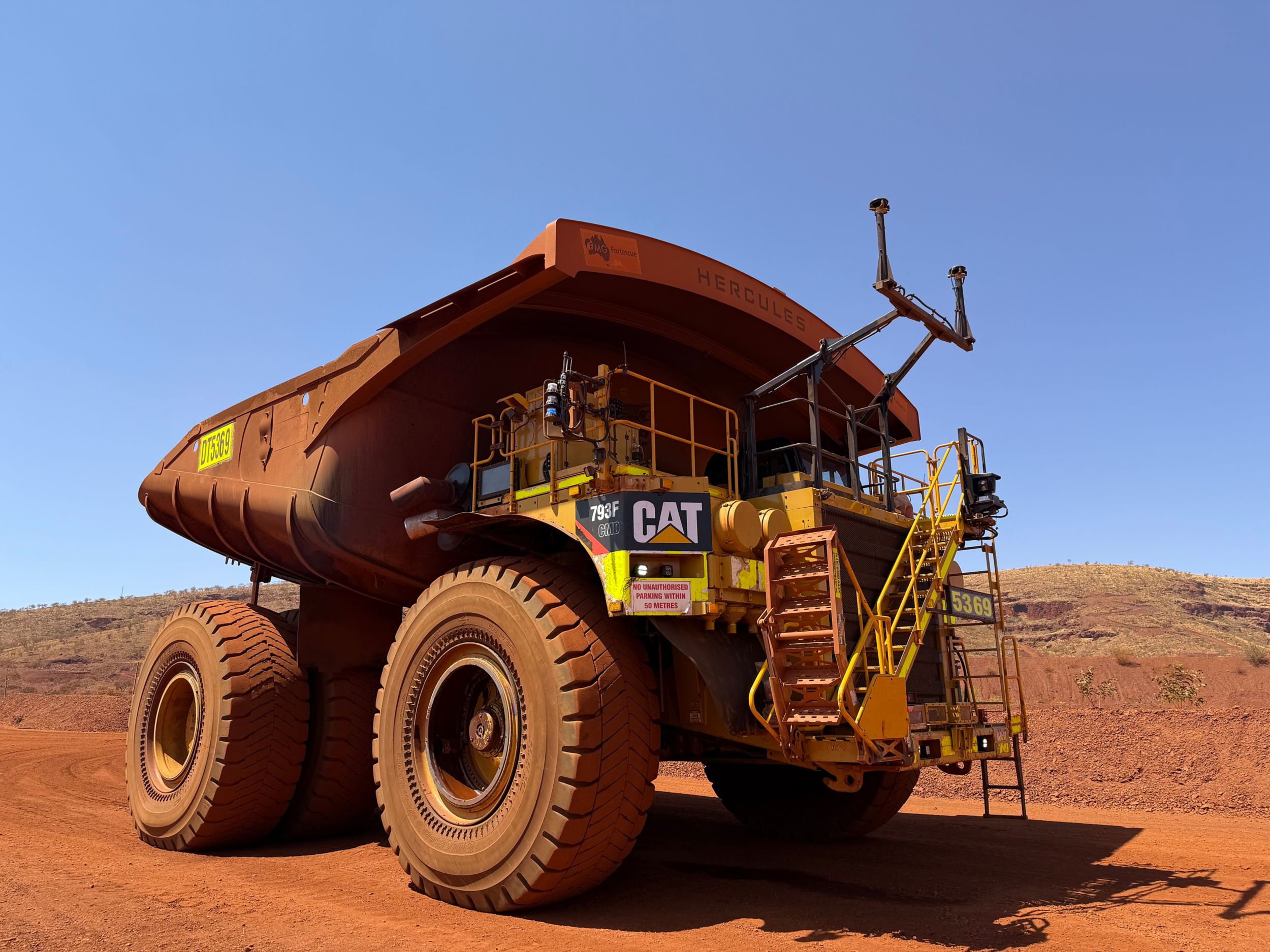
on decarbonisation efforts. By subsidising diesel consumption, the policy reduces the economic appeal of switching to cleaner energy, with the ACCR identifying that removing the credit would likely render many of BHP’s fleet electrification projects financially viable. During the last financial year, BHP received $622m in fuel tax credits, maintaining its position as the largest single recipient of the concession.
Media additions
The Disconnect Between Policy and Progress
The role of federal incentives has become a focal point of debate as internal company documents, leaked earlier this year to The Guardian Australia and the ABC’s Four Corners, revealed that BHP had shelved or delayed several major renewable energy projects in Western Australia. These internal records show that while the company publicly positioned itself as a climate leader, it simultaneously deferred 87.5% of its planned operational decarbonisation spending for the current decade.
Despite BHP’s assertion that its reliance on third-party technologies and the lack of advanced large-scale battery-electric haul trucks necessitated these delays, others in the industry have challenged this narrative. Fortescue, a direct competitor, has aggressively pursued fleet electrification and maintains that the necessary technology is ready for deployment. BHP, meanwhile, has locked in continued diesel use at its Jimblebar mine until at least the late 2030s—and potentially until 2041—following the purchase of 62 new diesel haul trucks when prices for the machinery fell.
Political and Investor Pressure
The sustainability of these tax breaks is under increasing strain within the federal Labor government. More than 270 local Labor branches have backed proposals to cap fuel tax credits at $50m per company. Supporters of this measure, such as the Labor Environment Action Network, argue that diverted funds could be redirected to support industrial electrification and cleaner infrastructure.
Critics, including independent senator David Pocock, have condemned the disparity between the company's tax benefits and its climate obligations. Pocock noted that while BHP received $379m in fuel tax credits tied to its Western Australia iron ore operations last financial year, it paid only $8m under the federal safeguard mechanism to offset its emissions.
Government officials have remained firm in their stance regarding the current policy. A spokesperson for Resources Minister Madeleine King stated that the government is not considering any changes to the fuel tax credit arrangements, characterising the rebate not as a subsidy, but as a measure ensuring businesses are not taxed for fuel used off public roads. The spokesperson added that the safeguard mechanism already provides sufficient incentives for the resources sector to reduce emissions.
Looking Ahead: Key Developments
Investors are now being urged to question the transparency of BHP’s decarbonisation program. With the absence of a clear medium-term emissions reduction target, analysts warn that the company is exposing itself to significant future costs. Projections suggest that a 10-year delay in implementation could increase the cost of purchasing carbon credits to as much as US$28.5bn by 2050, an increase of 48% over initial estimates.
As the debate moves forward, several elements remain central to the discussion:
- Technological Milestones: BHP is expected to proceed with trials of 240-tonne battery-electric haul trucks and four battery-electric locomotives in the coming months.
- Industry Divergence: The ongoing contrast between BHP’s wait-and-see approach and the rapid electrification strategies adopted by competitors such as Fortescue.
For BHP, the challenge lies in reconciling its long-term goal of net-zero emissions by 2050 with the immediate, and often conflicting, demands of operational profitability, shareholder expectations, and the increasingly sensitive political climate in Australia.
How significant is this development?
Contribute your assessment to the aggregated reader sentiment ledger.
Frequently Asked Questions
Key questions answered in this reportWhat is the key development in: BHP decarbonisation hindered by fuel tax breaks, investor report warns?
A briefing document suggests federal fuel tax credits undermine the financial incentive for BHP to replace its diesel-dependent fleets with electric alternatives.
Why is this Business development significant for the UK?
This report covers critical events in our Business beat. Independent reporting monitors related UK statements, regulatory shifts, and public responses as further verified details emerge.
How was this reporting corroborated and verified?
Newsarchy UK compiles and cross-references reporting from primary reporting from theguardian.com and cross-checked wire reports. All coverage adheres to published editorial standards.
When was this report published?
This briefing was published on July 19, 2026 and is permanently cataloged in the Newsarchy UK Business archives.