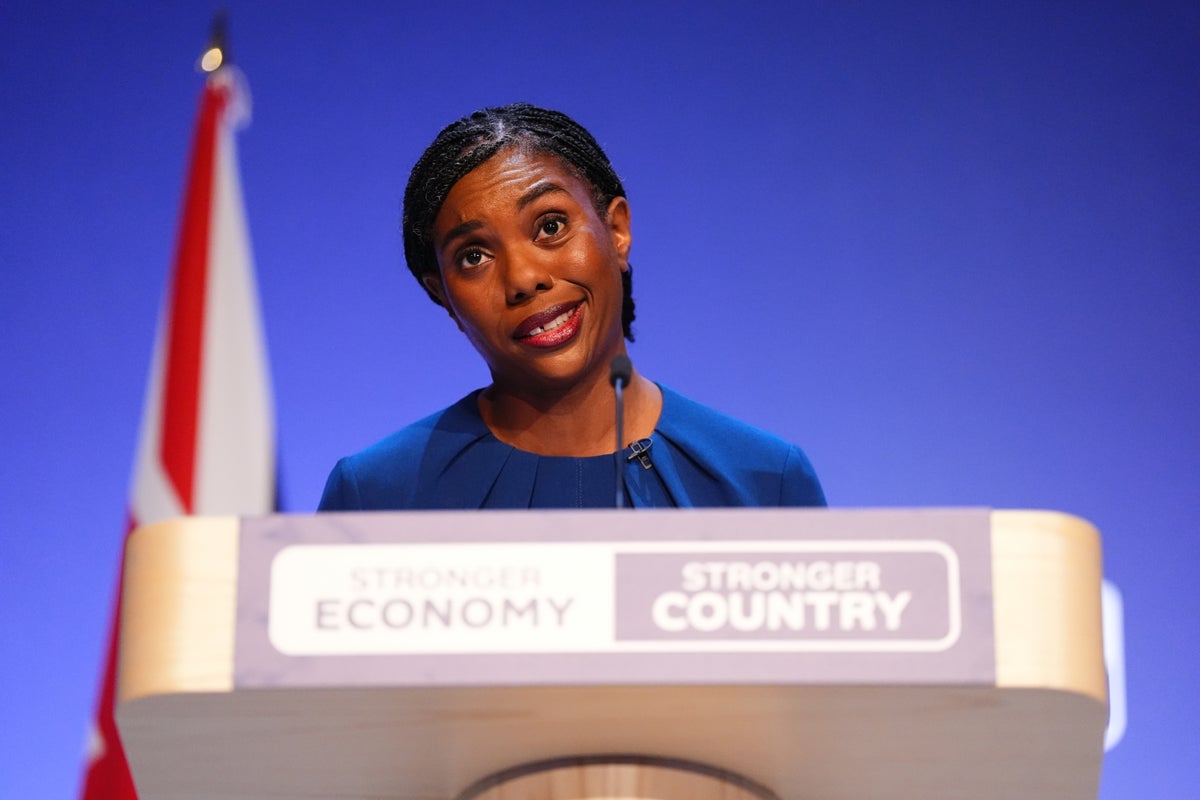
Bridget Phillipson pushes to extend 30 hours free childcare to benefit claimants
Education Secretary Bridget Phillipson is calling for an expansion of taxpayer-funded childcare to include non-working families, aiming to remove barriers to employment.

- Core Development: Education Secretary Bridget Phillipson is calling for an expansion of taxpayer-funded childcare to include non-working families, aiming to remove barriers to employment.
- Beat Context: Categorized under Politics with independent corroboration.
- Reporting Depth: 3 minute analytical read synthesized from verified newsroom sources.
Education Secretary Bridget Phillipson is signalling a major policy shift, calling for the expansion of taxpayer-funded childcare to include families currently receiving benefits. Delivering a speech in Oxford today, the Education Secretary argued that the present system, which restricts 30 hours of free weekly provision primarily to working parents, inadvertently excludes those who need support the most. Under the current framework, access to the full entitlement requires parents to be in employment, a condition that Phillipson suggests creates a barrier to work rather than a gateway.
The proposal frames a universal early years
offer as both an economic and social necessity. According to the Education Secretary, the current exclusion of non-working families prevents parents from re-entering the workforce due to the prohibitive cost of quality care, while simultaneously denying children from low-income backgrounds access to early education. There are families out there who can't afford quality childcare because they aren't working, and they struggle to work because they can't afford quality childcare. So their children miss out on quality early years education. Where's the sense in that?
Phillipson said, as reported via the Express.
Media additions


Current Costs and Future Projections
The existing childcare infrastructure in England is forecast to cost taxpayers approximately £8 billion annually by 2028. However, experts estimate that moving to a universal model, which would remove the current employment-based eligibility criteria, could require up to £15 billion.
Operational Context and Sector Concerns
The push for universal access arrives during a period of transition for the early years sector. As of September 2025, the third phase of the government’s childcare expansion was implemented, allowing eligible working parents of children aged nine months to four years to access 30 hours of funded care. The Department for Education estimates that over 500,000 families are currently utilizing funded hours.
Despite the government’s focus on expanding capacity—including the launch of new school-based nurseries—sector leaders warn of significant sustainability challenges. The Early Education Childcare Coalition has noted that with the government now acting as the largest customer in the childcare market, funding rates often fail to cover the full cost of delivery. Neil Leitch, chief executive of the Early Years Alliance, cautioned that the current policy environment has placed many providers under financial duress, with some nurseries forced to restrict places or increase fees for non-funded hours to remain viable.
The following table outlines the current eligibility framework for funded childcare in England:
| Child Age | Entitlement | Eligibility Criteria |
|---|---|---|
| 9 months – 2 years | 30 hours | Working parents (avg 16hrs/week; income under £100,000) |
| 3 – 4 years | 15 hours | Universal |
| 3 – 4 years | 30 hours | Working parents (avg 16hrs/week; income under £100,000) |
What to Watch Next
- Consultation Outcomes: The government has launched a consultation regarding the potential for nurseries to make better use of outdoor space, which may eventually alter how capacity and licensing requirements are calculated for providers.
- Financial Sustainability: As providers continue to navigate the impacts of national insurance changes and the expansion of funded hours, sector organizations will be monitoring nursery closure rates and the availability of places in deprived areas, often described as
childcare deserts
.
For now, the administration faces the dual task of managing the current childcare expansion while addressing criticisms that the system is currently under-resourced and inaccessible to the most disadvantaged families.
How significant is this development?
Contribute your assessment to the aggregated reader sentiment ledger.
Frequently Asked Questions
Key questions answered in this reportWhat is the key development in: Bridget Phillipson pushes to extend 30 hours free childcare to benefit claimants?
Education Secretary Bridget Phillipson is calling for an expansion of taxpayer-funded childcare to include non-working families, aiming to remove barriers to employment.
Why is this Politics development significant for the UK?
This report covers critical events in our Politics beat. Independent reporting monitors related UK statements, regulatory shifts, and public responses as further verified details emerge.
How was this reporting corroborated and verified?
Newsarchy UK compiles and cross-references reporting from primary reporting from emmahardy.org.uk and cross-checked wire reports. All coverage adheres to published editorial standards.
When was this report published?
This briefing was published on July 9, 2026 and is permanently cataloged in the Newsarchy UK Politics archives.