Boeing identifies 737 MAX software glitch affecting landing navigation
Boeing has uncovered a cockpit software glitch on certain 737 MAX aircraft that can disrupt automated navigation during specific missed-approach landings, sparking an FAA review and pushback from major carriers.
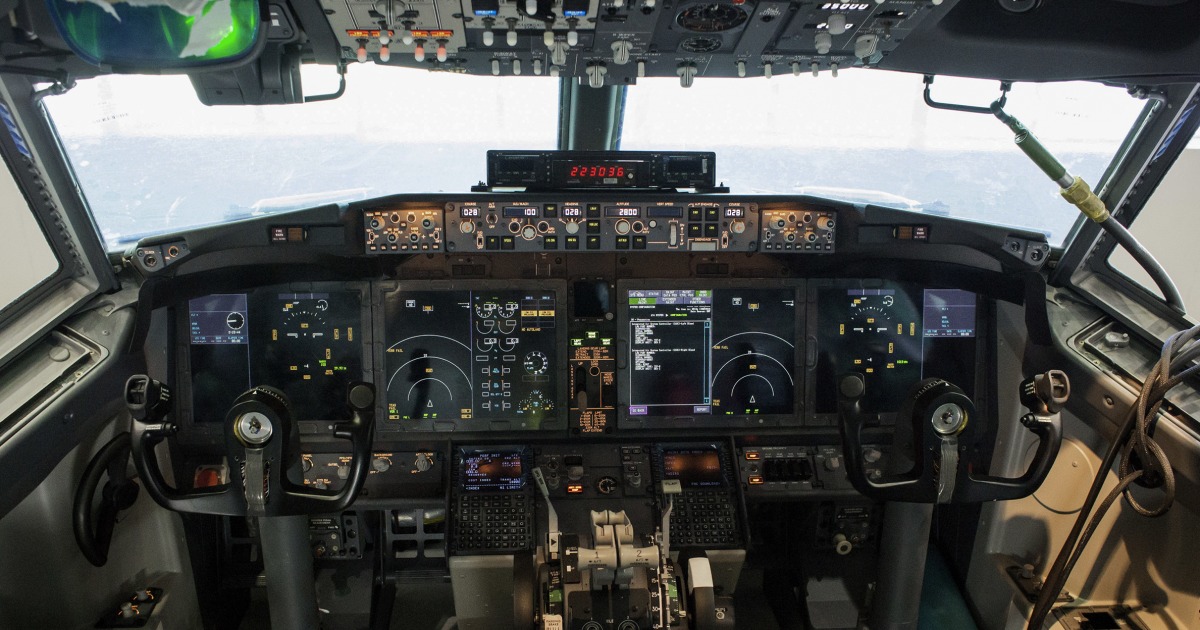
- Core Development: Boeing has uncovered a cockpit software glitch on certain 737 MAX aircraft that can disrupt automated navigation during specific missed-approach landings, sparking an FAA review and pushback from major carriers.
- Beat Context: Categorized under Business with independent corroboration.
- Reporting Depth: 4 minute analytical read synthesized from verified newsroom sources.
Boeing has identified a previously undisclosed software glitch affecting certain 737 MAX aircraft, triggering a federal review and immediate pushback from major carriers. The anomaly, stemming from a cockpit software update, can disable automated navigation features and alter autopilot functions during a specific landing scenario after flight crews execute a missed approach and change their planned flight path.
The anomaly surfaces when pilots abort a landing and subsequently alter their pre-programmed flight path, according to reporting by NBC News and the Channelnewsasia. Under these conditions, automated flight guidance may become unavailable, forcing flight crews to fly the aircraft manually without certain autopilot functions at low altitudes. Aviation systems experts noted that this transition occurs during a critical phase of flight where cockpit task saturation is already elevated, particularly during adverse weather conditions, as highlighted by LatestLY.
Media additions
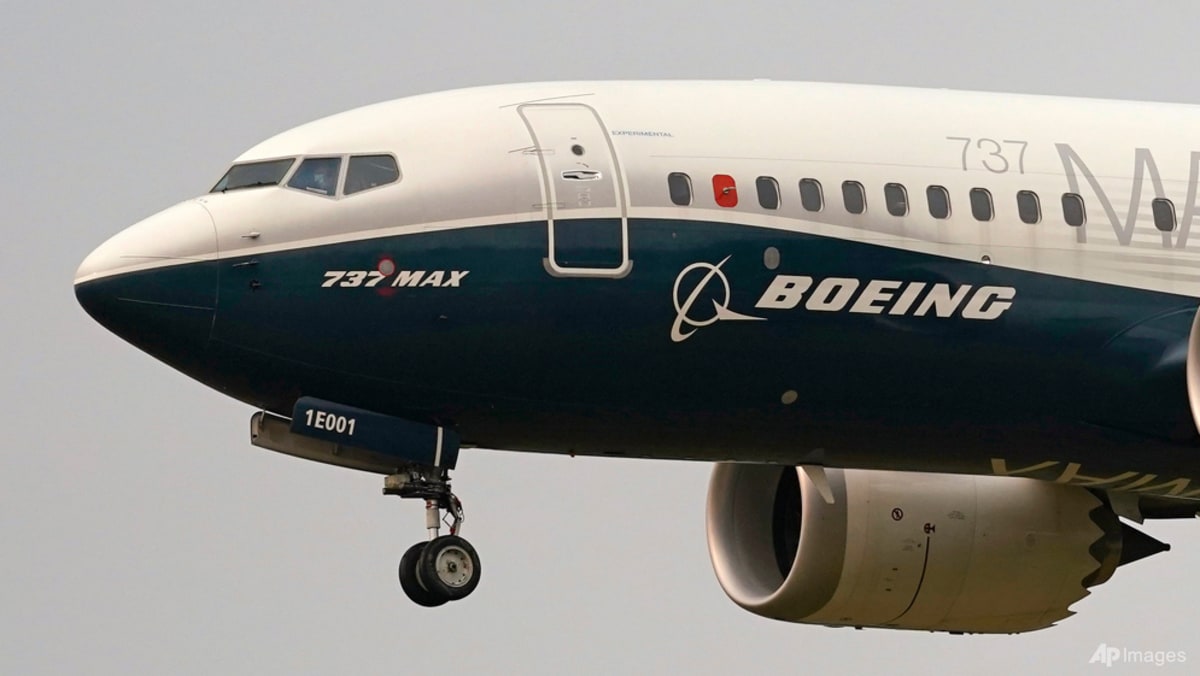
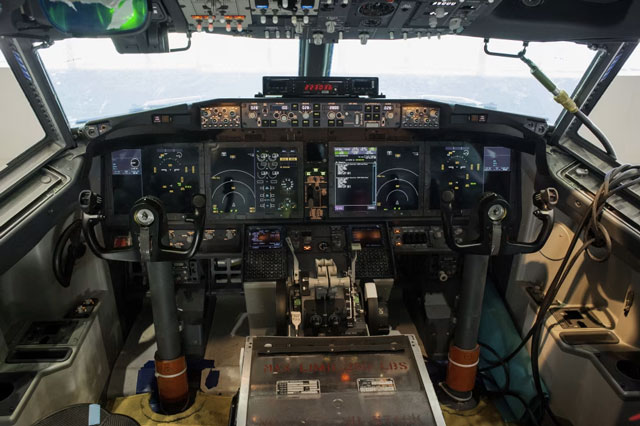

Boeing stated that it first learned of the problem from an operator in November 2024. The issue initially did not meet the criteria for a formal safety review, according to details reported by TradingView. However, after receiving additional feedback from airlines, Boeing initiated a formal review and shared its findings with the Federal Aviation Administration.
When reached for comment, Boeing issued an emailed statement:
"We shared information with operators that reinforced existing pilot procedures for safely handling such cases. Our engineers are working on a software update to permanently address the issue."
Boeing, Corporate Statement, via Reuters
The planemaker informed all 737 operators in late August about the software anomaly, asserting at the time that the condition did not pose an immediate safety risk. Boeing is also developing procedures to help pilots re-enable automated vertical navigation if the scenario occurs, alongside working on a permanent software patch. While a permanent fix was initially slated for 2028, the company indicated it is working to accelerate that timeline.
The Federal Aviation Administration confirmed it is aware of the potential issue in the flight computer software update and is collaborating closely with Boeing and the airlines. The agency announced it will convene a Corrective Action Review Board to evaluate flight-computer data and will take immediate action if it identifies an unsafe operational condition.
| Aviation Entity | Reported Position & Fleet Status |
|---|---|
| Southwest Airlines & United Airlines | Asked Boeing to hold off delivering new 737 MAX aircraft equipped with the revised software package, requesting an earlier software version instead. (NBC News) |
| WestJet | Offered a differing assessment, stating via Telangana Today that the anomaly is not considered a safety issue and that standard operating procedures and training adequately mitigate such events. |
| GE Aerospace | Confirmed it developed the software and is actively supporting the Federal Aviation Administration's evaluation, as reported by Telangana Today. |
The software discovery arrives at a sensitive juncture for Boeing, which has spent recent years navigating intense regulatory and safety scrutiny following historical tragedies. Two fatal 737 MAX crashes occurred in October 2018 (Lion Air Flight 610) and March 2019 (Ethiopian Airlines Flight 302), killing a combined 346 people and resulting in a worldwide grounding of the aircraft type. Scrutiny intensified further in January 2024 following a mid-air cabin panel blowout on a nearly new Alaska Airlines MAX 9, which prompted strict manufacturing oversight and production caps.
Global fleet tallies compiled by aviation-data firm Cirium indicate there are thousands of MAX aircraft currently in service worldwide. However, the precise number of airframes operating with the newly flagged software update remains uncertain because airlines are not formally required to notify Boeing every time they install a software upgrade.
The timing of the glitch also complicates regulatory progression for Boeing's newest narrowbody variants. The FAA approved the smaller 737 MAX 7 for passenger service in August, a milestone touted by Boeing Chief Executive Kelly Ortberg as a critical step toward rebuilding regulatory trust. Ortberg also stated earlier in September that he expects regulatory approval for the larger MAX 10 "very soon." TradingView noted that the outcome of the FAA's current investigation could directly impact the MAX 10's certification timeline if regulators classify the navigation glitch as an unsafe condition requiring mandatory corrective action.
International carriers and leasing markets are closely monitoring developments. In India, carriers such as Akasa Air operate all-Boeing 737 MAX fleets, while Air India Express flies 737-8 aircraft alongside legacy variants. Regional reporting indicates no public disruption to flights in India, and no Indian carrier has been publicly identified as operating the affected software build.
What happens next depends on the findings of the Federal Aviation Administration's Corrective Action Review Board. Regulators and Boeing are assessing whether additional fleet-wide actions are necessary while engineering teams work to expedite the deployment of a permanent software fix to eliminate the landing navigation anomaly.
How significant is this development?
Contribute your assessment to the aggregated reader sentiment ledger.
Frequently Asked Questions
Key questions answered in this reportWhat is the key development in: Boeing identifies 737 MAX software glitch affecting landing navigation?
Boeing has uncovered a cockpit software glitch on certain 737 MAX aircraft that can disrupt automated navigation during specific missed-approach landings, sparking an FAA review and pushback from major carriers.
Why is this Business development significant for the UK?
This report covers critical events in our Business beat. Independent reporting monitors related UK statements, regulatory shifts, and public responses as further verified details emerge.
How was this reporting corroborated and verified?
Newsarchy UK compiles and cross-references reporting from primary reporting from nbcnews.com and cross-checked wire reports. All coverage adheres to published editorial standards.
When was this report published?
This briefing was published on September 27, 2026 and is permanently cataloged in the Newsarchy UK Business archives.