EU Aims to Put Brakes on Chinese Hybrid-Vehicle Market Share With Import Cap
The European Union has moved to restrict imports of Chinese hybrid and electric vehicles by imposing a strict annual cap of 350,000 units.

- Core Development: The European Union has moved to restrict imports of Chinese hybrid and electric vehicles by imposing a strict annual cap of 350,000 units.
- Beat Context: Categorized under Business with independent corroboration.
- Reporting Depth: 3 minute analytical read synthesized from verified newsroom sources.
The European Union has moved to restrict imports of Chinese hybrid and electric vehicles by imposing a strict annual cap, aiming to more than halve China's projected shipments to the European bloc, according to reports. The policy intervention arrives as a severe domestic slump and intense price competition inside China push major manufacturers to flood overseas markets with excess production, creating profound friction across international trade routes.
Under the newly outlined measures detailed by Morningstar on Monday, 12 October 2026, the EU will restrict imports from China to 350,000 units per year. The move follows months of contentious debate over industrial subsidies and pricing strategies that have allowed Chinese automakers to undercut domestic competitors in Europe and other regions. While some major Chinese brands have achieved explosive overseas growth — such as BYD reporting skyrocketing sales volumes in markets like the United Kingdom, highlighted by Fortune — the influx has triggered defensive regulatory walls across the globe.
Media additions
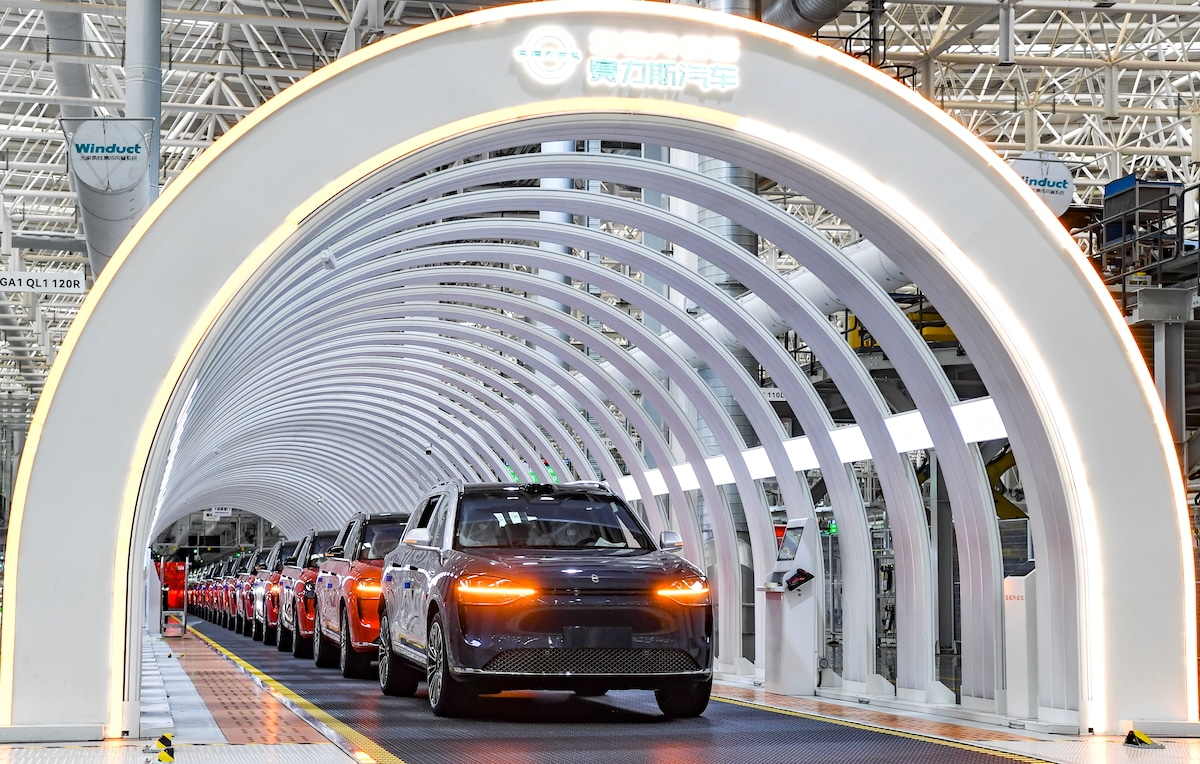

The urgency behind export reliance is deeply rooted in China's domestic economic headwinds. Data published by the China Passenger Car Association (CPCA) and reported via 스타뉴스 indicates that domestic consumer sentiment has frozen over, leading to steep year-on-year drops in retail sales. Traditional internal combustion engine vehicles have suffered the heaviest blows, while new energy vehicles (NEVs), encompassing battery electric vehicles and plug-in hybrids, have faced mounting saturation despite maintaining high domestic market penetration rates.
| Market Indicator | Reported Period | Change / Figure | Source / Context |
|---|---|---|---|
| EU Import Cap | Projected Annual | 350,000 units | Morningstar reporting on EU targets |
| China Passenger Car Sales | September | Down 29% YoY | Morningstar & 스타뉴스 data |
| China Vehicle Exports | September | Surged 61.4% YoY (1.053 million units) | China Daily |
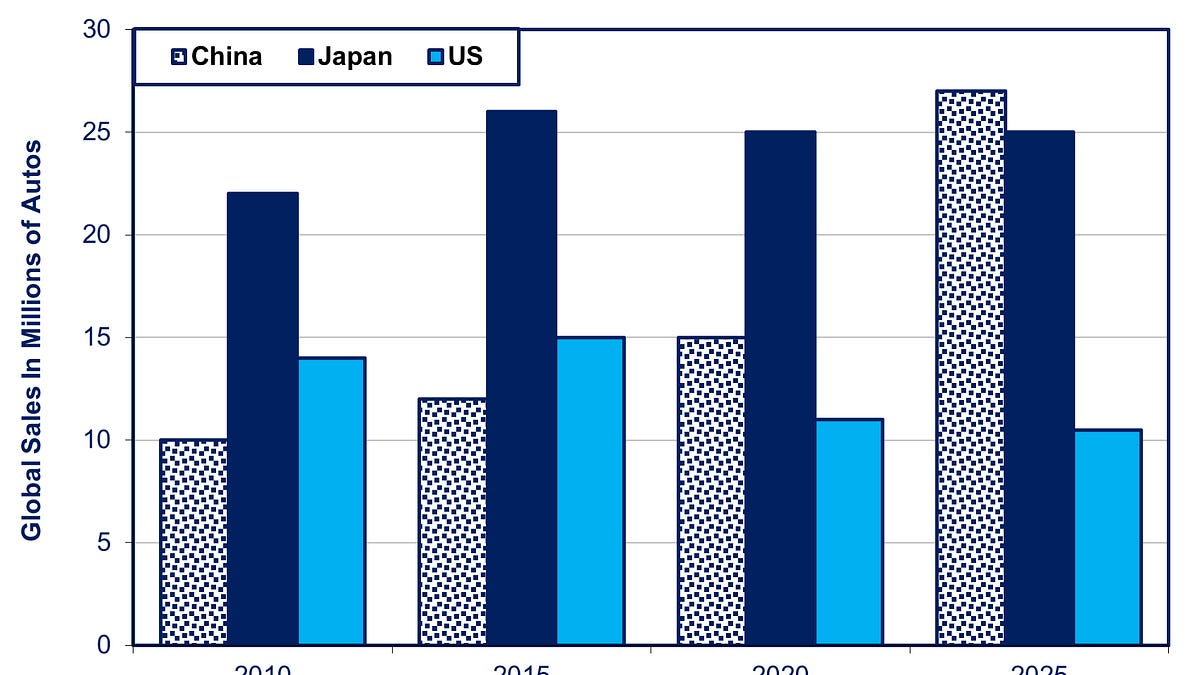
| Global Auto Sales Top Spot | Full Year | China surpassed Japan | Japan Economy Watch / Nikkei analysis |
According to China Daily on Monday, 12 October 2026, vehicle sales fell 8.4 percent year-on-year in September, with total sales reaching 2.956 million units. Chen Shihua, deputy secretary-general of the China Association of Automobile Manufacturers, noted that domestic sales remained weak and subdued market conditions are expected to persist. Yet, export channels have provided a vital safety valve. Monthly auto exports have exceeded one million units for consecutive months, surging 65.8 percent in the first nine months to reach 8.205 million units.
This export tsunami has fundamentally altered the global automotive hierarchy. As detailed by Japan Economy Watch, China surpassed Japan in global auto sales, driven by an aggressive transition toward new energy vehicles while legacy Japanese manufacturers struggled with declining market shares in traditional strongholds across Asia and domestic hesitation toward rapid electrification. Analysts point to a dual economy within China, where top-tier competitive firms thrive alongside hundreds of struggling manufacturers sustained by local government support amid massive industry overcapacity.
The broader international response extends far beyond Europe. Meanwhile, industry leaders like Nio founder William Li have warned of deeper corrections ahead for domestic sales, underscoring the necessity for automakers to build resilient, integrated supply chains to survive the saturated landscape, as reported by Caixin Global.
What to Watch Next
- Implementation details and formal timelines for the European Union's 350,000-unit import cap on Chinese vehicles.
- Upcoming year-end consumption stimulus announcements from Beijing designed to address domestic retail slumps.
How significant is this development?
Contribute your assessment to the aggregated reader sentiment ledger.
Frequently Asked Questions
Key questions answered in this reportWhat is the key development in: EU Aims to Put Brakes on Chinese Hybrid-Vehicle Market Share With Import Cap?
The European Union has moved to restrict imports of Chinese hybrid and electric vehicles by imposing a strict annual cap of 350,000 units.
Why is this Business development significant for the UK?
This report covers critical events in our Business beat. Independent reporting monitors related UK statements, regulatory shifts, and public responses as further verified details emerge.
How was this reporting corroborated and verified?
Newsarchy UK compiles and cross-references reporting from primary reporting from 스타뉴스 and cross-checked wire reports. All coverage adheres to published editorial standards.
When was this report published?
This briefing was published on October 13, 2026 and is permanently cataloged in the Newsarchy UK Business archives.