EU says Trump plan to ban US diesel exports would ‘negatively impact both sides’
The European Commission has warned Washington against implementing a temporary ban on refined fuel shipments, arguing it would carry negative consequences for both economies.
- Core Development: The European Commission has warned Washington against implementing a temporary ban on refined fuel shipments, arguing it would carry negative consequences for both economies.
- Beat Context: Categorized under Business with independent corroboration.
- Reporting Depth: 3 minute analytical read synthesized from verified newsroom sources.
The European Union has issued a stark warning to Washington over reports that the White House is weighing a temporary embargo on refined fuel shipments, joining a chorus of industry voices cautioning that the policy would backfire. According to The Guardian, Brussels reacted with official concern after reports emerged that the administration of US President Donald Trump might implement a restriction to tame domestic pump costs ahead of upcoming legislative contests.
The diplomatic intervention follows remarks from the US president, who signalled backing for a temporary halt to overseas shipments. As reported by Ecosistemastartup, the proposal surfaced as domestic prices climbed, with American diesel reaching record heights. The political pressure is acute as soaring energy costs threaten Republican majorities in Congress ahead of the November midterm elections.
Media additions



European Commission spokesperson Olof Gill told reporters in Brussels that the executive arm views the reported plans with alarm. As detailed by Euronews, Gill stated that Brussels believes the proposal is a bad idea carrying negative consequences for both economies. High-level contacts between European officials and the US administration remain ongoing, and the EU expects close allies to coordinate prior to altering shared energy corridors.
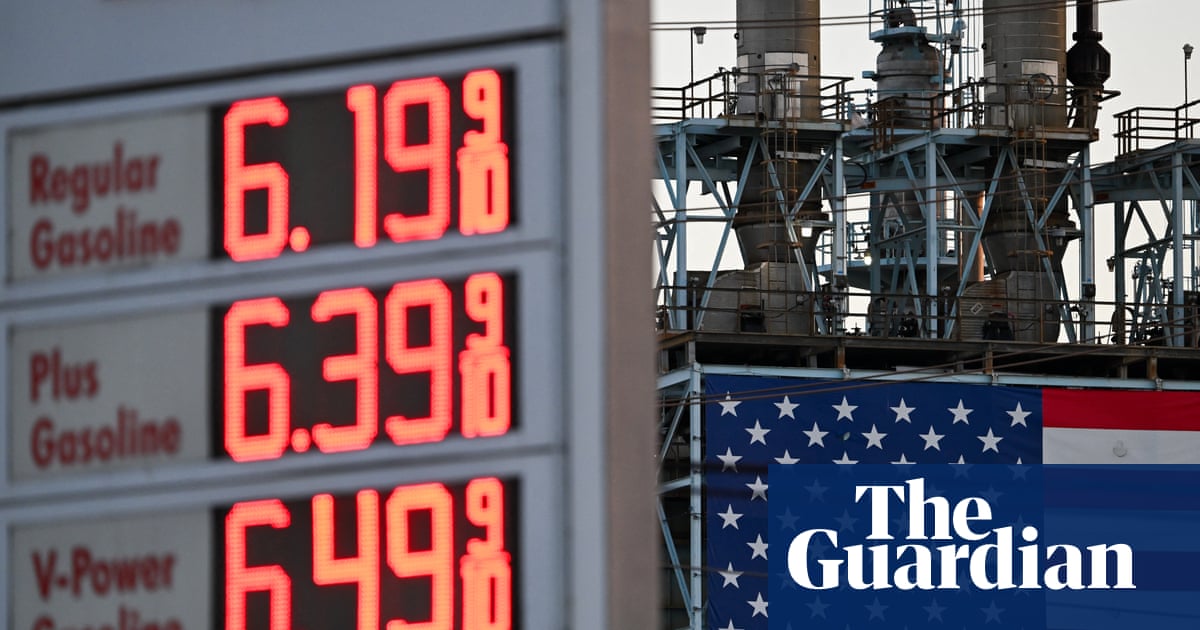
The urgency behind Europe’s diplomatic push stems from deep supply vulnerabilities. Following disruptions to refineries in the Middle East and war-torn Russia, the United States emerged as a vital supplier. Data cited by Operativmm shows that American shipments accounted for approximately half of the EU’s diesel imports by August. Across the 27-nation bloc, average pump prices have climbed to record levels. The EU’s Oil Coordination Group is scheduled to meet to evaluate regional stockpiles and market stability.
The economic logic underpinning the proposed export curb has drawn intense skepticism from commodity analysts, trade groups, and even members of the US cabinet. Energy Secretary Chris Wright publicly described a flat ban as a blunt tool, noting that refineries produce multiple fuels simultaneously. Because distillation units generate petrol and kerosene alongside distillate, trapping fuel inside domestic borders would quickly fill storage tanks and force refiners to curtail operations. Analysts suggest this contraction would inadvertently drive up prices for petrol and aviation fuel.
| Metric / Indicator | Reported Figure | Source Reference |
|---|---|---|
| US Diesel Record Price | $6.52 – $6.53 per gallon | AAA / The Guardian / Yahoo Finance UK |
| EU Average Diesel Price | €2.23 per litre | European Commission / Euronews |
| US Share of EU Diesel Imports | Approx. 50% (August) | European Commission / Türkiye Today |
| UK RAC Diesel Price Average | 197.75p per litre | RAC / The Guardian |
The friction within Washington has contributed heavily to market volatility. While political advisers weigh the electoral fallout of expensive fuel, treasury and energy officials have worked to soothe commercial anxiety. Major business coalitions, including the American Petroleum Institute and the US Chamber of Commerce, warned in a joint letter that trade restrictions would disrupt refinery operations and tighten supplies over the long term.
International markets have reacted swiftly to the policy uncertainty. Futures contracts experienced sharp shifts during mid-week trading as commodities traders weighed the possibility of lost American supply. In the United Kingdom, where fuel costs have risen sharply since the outbreak of the war involving Iran, economists warned that losing American distillate would leave domestic logistics heavily exposed. Transport operators and agricultural networks across Europe rely heavily on diesel for freight and machinery, leaving few immediate alternatives if transatlantic cargoes dry up.
What to Watch Next
- The European Union’s Oil Coordination Group meets to review member state inventories and assess regional vulnerability.
- Further clarifications from the White House and Department of Energy regarding whether voluntary measures or formal trade limitations will be pursued.
- Market adjustments in global crack spreads as traders monitor refinery processing runs along the US Gulf Coast.
How significant is this development?
Contribute your assessment to the aggregated reader sentiment ledger.
Frequently Asked Questions
Key questions answered in this reportWhat is the key development in: EU says Trump plan to ban US diesel exports would ‘negatively impact both sides’?
The European Commission has warned Washington against implementing a temporary ban on refined fuel shipments, arguing it would carry negative consequences for both economies.
Why is this Business development significant for the UK?
This report covers critical events in our Business beat. Independent reporting monitors related UK statements, regulatory shifts, and public responses as further verified details emerge.
How was this reporting corroborated and verified?
Newsarchy UK compiles and cross-references reporting from primary reporting from Jalopnik and cross-checked wire reports. All coverage adheres to published editorial standards.
When was this report published?
This briefing was published on September 25, 2026 and is permanently cataloged in the Newsarchy UK Business archives.