Trump’s Iran war has economists aghast
Major financial institutions declare traditional forecasting methods obsolete as the military campaign against Iran drags global markets into turmoil.
- Core Development: Major financial institutions declare traditional forecasting methods obsolete as the military campaign against Iran drags global markets into turmoil.
- Beat Context: Categorized under Business with independent corroboration.
- Reporting Depth: 3 minute analytical read synthesized from verified newsroom sources.
Economists are expressing profound dismay as the ongoing military campaign by the United States and Israel against Iran drags global markets deeper into turmoil, with major financial institutions declaring traditional forecasting methods obsolete.
Almost seven months after hostilities commenced, analysts at Salon reported that JPMorgan commodities strategists admitted they no longer possess a baseline view of oil markets. Natasha Kaneva, head of global commodities strategy at the firm, stated in a note that her team simply does not know how to model the endgame. Earlier expectations that economic red lines would keep President Donald Trump from pushing matters too far have evaporated. Thresholds including oil surging past $100 a barrel, retail gasoline approaching $5 a gallon, and 10-year Treasury yields climbing above 5% have all been breached.
Media additions

The economic ripple effects are cascading through supply chains with punishing speed. Veda Partners co-founder Henrietta Treyz warned in an interview with HuffPost that food inflation represents the next shoe to drop for American consumers. Treyz contrasted the current economic friction against the prosperous backdrop of lowering inflation and manufacturing growth that preceded the conflict, lamenting that rising inflation has effectively halted potential interest rate cuts by the Federal Reserve.
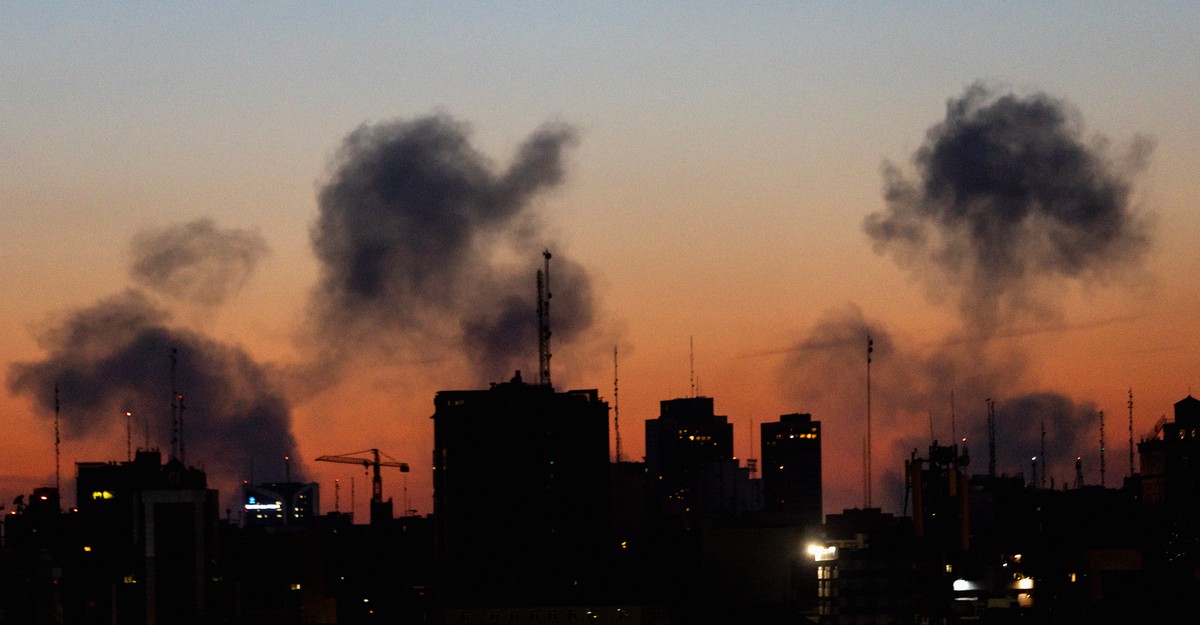
Diesel prices climbed above $6 per gallon in the United States for the first time ever, driven by aggressive Iranian throttling of the Strait of Hormuz and dwindling oil stockpiles. S&P Global Energy executive director Karim Fawaz warned in a recent analysis featured by Salon that inventories are remarkably low, spare refining capacity is scarce, and seasonal demand is strengthening at precisely the wrong moment. Furthermore, a drone attack that heavily damaged a critical pipeline in Saudi Arabia is projected to reduce crude oil exports significantly, compounding energy shortages that have already forced flight disruptions across Asia and measures in Europe and the United States.
The financial toll extends directly into public coffers and consumer wallets alike. According to a letter from Congressional Budget Office Director Phillip Swagel cited by HuffPost UK, the Pentagon’s direct expenses have reached $38 billion, driven by the replacement of lost munitions, equipment, and soaring fuel and flight time costs. Salon noted separately that the Pentagon told Congress figures had reached $42 billion. The CBO noted that the conflict currently incurs an ongoing monthly price tag between $2 billion and $3 billion, while depleting missile defense interceptors and degrading military readiness for other potential global contingencies.
| Cost Estimator | Estimated Financial Impact | Scope |
|---|---|---|
| Congressional Budget Office | $38 billion | Direct Pentagon expenditures |
| Linda J. Bilmes (Harvard Kennedy School) | $100 billion | Wider war costs (projected earlier) |
| Brown University Researchers | $107 billion and counting | Burden on US consumers from inflated gas and diesel prices |
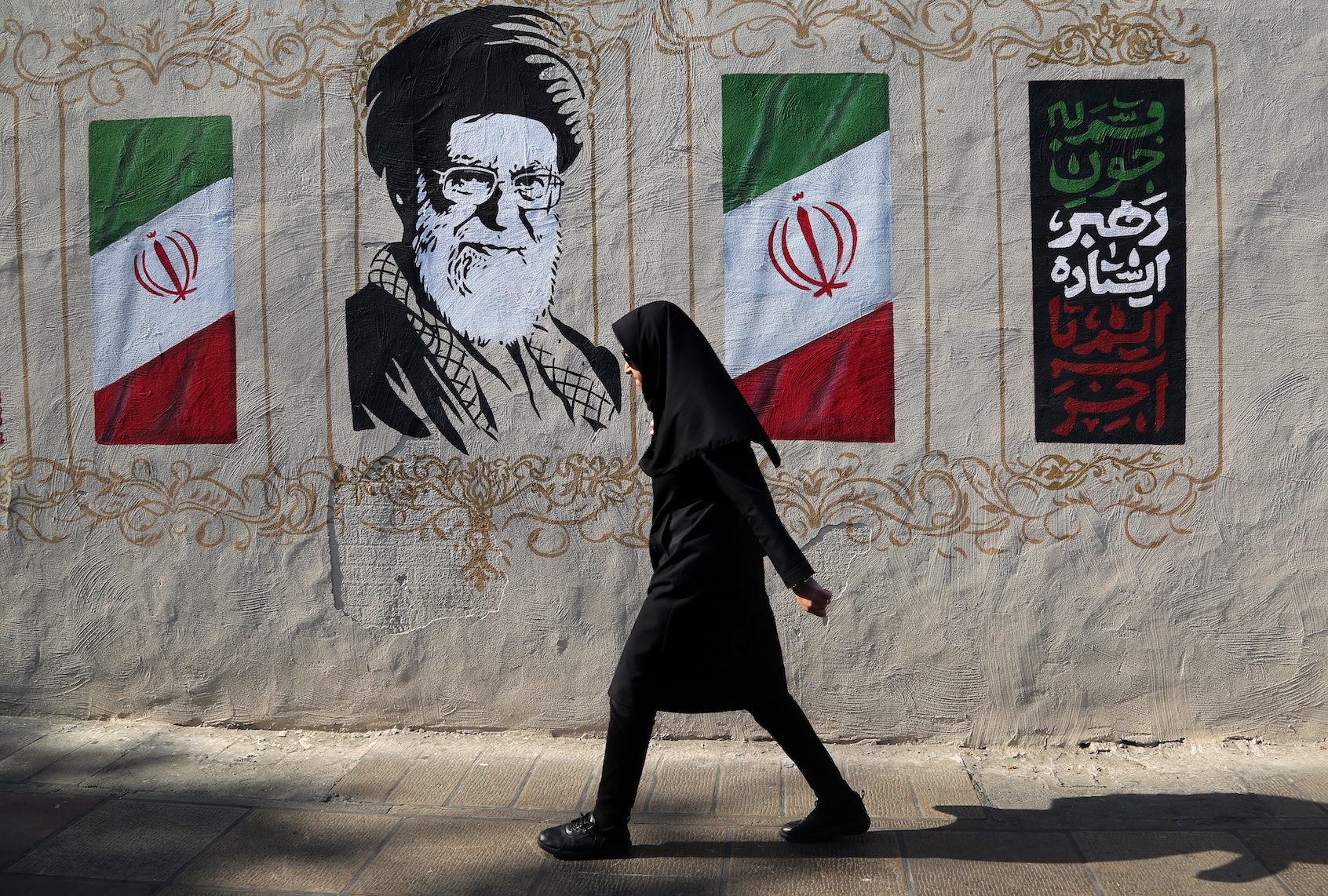
Human and geopolitical costs have proven equally devastating. Reporting highlighted by Salon indicates civilian deaths have climbed into the thousands, while United Nations human rights bodies reported reasonable grounds to believe the United States has committed war crimes, pointing specifically to strikes including an elementary school incident in Minab that resulted in massive casualties. Concurrently, The Straits Times detailed how relentless aerial bombardment of residential areas, hospitals, and universities has triggered an unexpected surge of nationalism among Iranians, uniting even fierce critics of the regime behind calls to defend national territorial integrity.
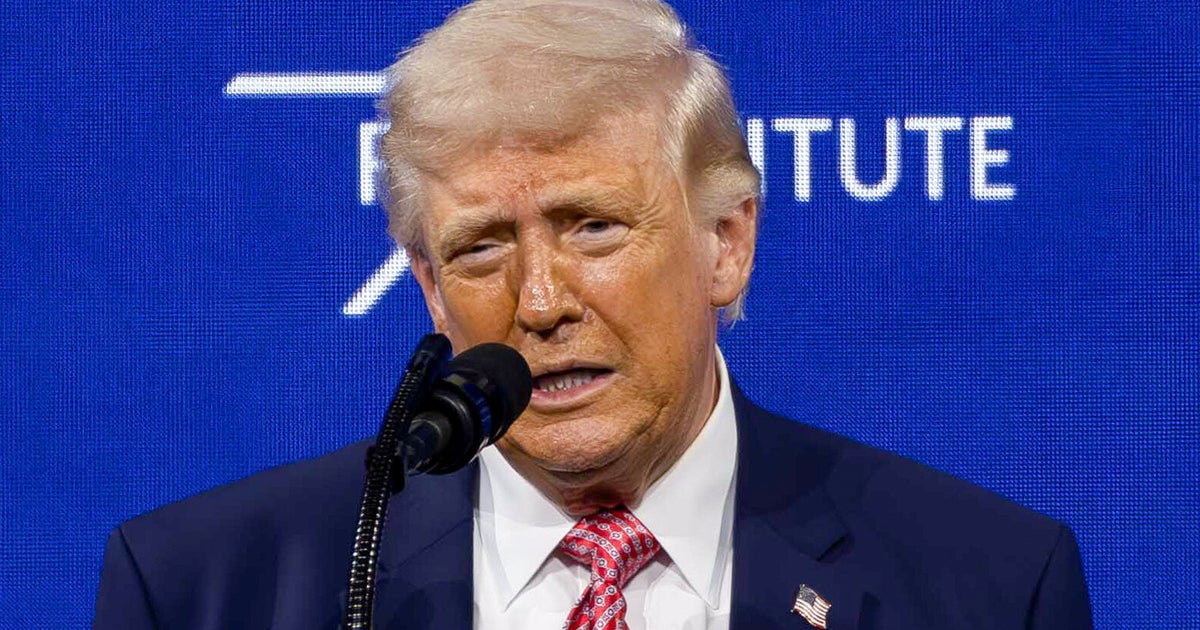
What happens next depends heavily on whether diplomatic channels reopen or the military campaign escalates further. With President Trump indicating potential decisions regarding the Iranian regime, and global energy markets bracing for winter demand peaks as highlighted by Salon, financial institutions and lawmakers await upcoming developments as fuel prices, inflation metrics, and congressional oversight reports continue to evolve.
How significant is this development?
Contribute your assessment to the aggregated reader sentiment ledger.
Frequently Asked Questions
Key questions answered in this reportWhat is the key development in: Trump’s Iran war has economists aghast?
Major financial institutions declare traditional forecasting methods obsolete as the military campaign against Iran drags global markets into turmoil.
Why is this Business development significant for the UK?
This report covers critical events in our Business beat. Independent reporting monitors related UK statements, regulatory shifts, and public responses as further verified details emerge.
How was this reporting corroborated and verified?
Newsarchy UK compiles and cross-references reporting from primary reporting from The Straits Times and cross-checked wire reports. All coverage adheres to published editorial standards.
When was this report published?
This briefing was published on September 19, 2026 and is permanently cataloged in the Newsarchy UK Business archives.