Evergrande founder Hui Ka Yan sentenced to life for large‑scale fraud
A Shenzhen court has sentenced former Evergrande tycoon Hui Ka Yan to life in prison for large-scale fraud, confirming the end of the property market saga.

- Core Development: A Shenzhen court has sentenced former Evergrande tycoon Hui Ka Yan to life in prison for large-scale fraud, confirming the end of the property market saga.
- Beat Context: Categorized under Business with independent corroboration.
- Reporting Depth: 4 minute analytical read synthesized from verified newsroom sources.
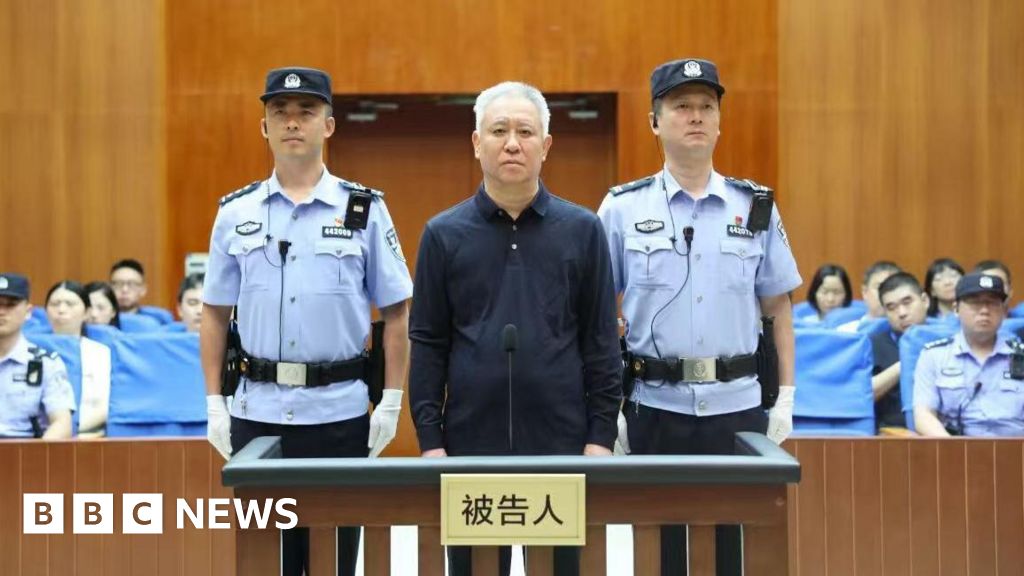
On Thursday, 20 August 2026, the Shenzhen Intermediate People's Court handed former Evergrande tycoon Hui Ka Yan a life sentence for large-scale fraud, confirming the end of a saga that has haunted China’s property market. The ruling, reported across multiple outlets including Reuters, Xinhua, and the BBC, also ordered the confiscation of all Hui's personal property, the stripping of his political rights for life, and levied fines totaling billions of yuan on his corporate entities. According to court statements reported by NBC News and Jang, the criminal acts involved particularly huge amounts and egregious circumstances, causing significant economic losses and serious social harm.
The court’s decision marks a definitive milestone in the collapse of Evergrande, which once stood as the world's most heavily indebted real estate developer. Founded in Guangzhou in 1996 by Hui—also known as Xu Jiayin—the company raced to become China’s biggest property developer. Hui rose from rural poverty, having been raised by his grandmother in Henan province, to build a sprawling business empire. Under his leadership, Evergrande expanded aggressively into sectors beyond real estate, including electric vehicles and a professional soccer club, fueled by massive amounts of borrowed money from financial institutions, bond markets, employees, and pre-sale deposits from homebuyers.
Media additions
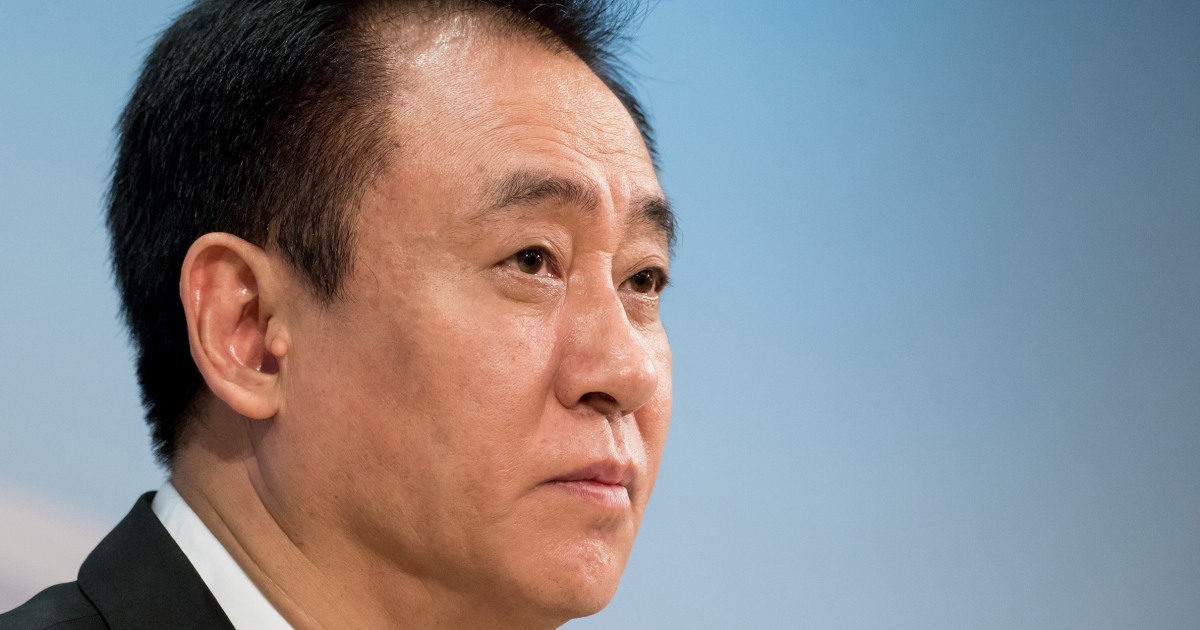

At its peak, Evergrande reached a stock market valuation exceeding $50 billion, propelling Hui to the status of Asia’s richest person, with a peak net worth of $45.3 billion. That rapid ascent came to a halt when Beijing introduced strict borrowing limits in 2020 to curb systemic financial risks in the property sector. Unable to meet the new rules, Evergrande began selling unfinished projects at steep discounts before defaulting on its liabilities of more than $300 billion in 2021.
Investigations by regulators subsequently uncovered systematic manipulation of financial data. Investigations revealed that revenue was overstated by roughly $80 billion over 2019 and 2020, with tactics that included prematurely booking revenue from property sales before completion and delivery of apartments to buyers. In March 2024, China’s securities regulator fined Hui 47 million yuan and banned him from the country's capital markets for life after finding that Evergrande’s onshore unit inflated revenue significantly. Court proceedings in April revealed that the company had accepted large sums of pre-sale funding from prospective homebuyers that were never used for the intended construction, instead being channeled into new developments and leaving hundreds of projects unfinished.
Following his detention by Chinese authorities in September 2023, Hui pleaded guilty in April to eight charges, including misuse of funds, fundraising fraud, illegally taking public deposits, bribery, embezzlement of assets, and falsifying financial records. Alongside Hui, the Shenzhen court sentenced 56 other individuals linked to Evergrande, with sentences ranging from 22 months to 18 years. Among those sentenced were Hui’s sons, Xu Zhijian and Xu Tenghe, as well as five other senior executives who received prison terms and fines.
The financial penalties imposed by the court were substantial. The Shenzhen Intermediate People's Court fined Evergrande Group 8.82 billion yuan ($1.31 billion) and its main subsidiary, Hengda Real Estate, 7 billion yuan ($1.04 billion), bringing total corporate fines to roughly 15.82 billion yuan, or over $2.3 billion.
The fallout from Evergrande's collapse extends far beyond the boardroom. The developer's implosion triggered a broader downturn in China’s property sector that has weighed on the world's second-largest economy for years. Companies responsible for a large share of Chinese home sales have defaulted since regulations tightened, and major developers like Country Garden have faced financial distress. Liquidators have been trying to recover assets from the collapsed company and Hui's ex-wife, Ding Yumei, who reportedly resides in London, to compensate creditors.
While the court's ruling provides a measure of legal accountability, it leaves domestic and foreign creditors, as well as ordinary citizens waiting on unfinished homes, with unresolved financial questions. Analysts note that Beijing's handling of the crisis reflects an effort to stabilize the real estate market without a direct bailout, leaving the sector still searching for a recovery five years after the initial shock.
Timeline of Key Events
| Date | Event |
|---|---|
| 1996 | Hui Ka Yan founds Evergrande in Guangzhou. |
| 2009 | Evergrande lists on the Hong Kong Stock Exchange. |
| 2020 | Beijing tightens property borrowing limits, curbing debt-fueled expansion. |
| 2021 | Evergrande defaults on most of its $300 billion in liabilities. |
| September 2023 | Hui is detained by Chinese authorities. |
| March 2024 | China’s securities regulator fines Hui 47 million yuan and bans him from capital markets for life. |
| 2024 | A Hong Kong court orders the liquidation of Evergrande after a restructuring proposal fails. |
| August 2025 | Evergrande is delisted from the Hong Kong exchange following a trading suspension. |
| 20 August 2026 | Shenzhen Intermediate People’s Court sentences Hui to life imprisonment and levies billions in fines on his companies. |
How significant is this development?
Contribute your assessment to the aggregated reader sentiment ledger.
Frequently Asked Questions
Key questions answered in this reportWhat is the key development in: Evergrande founder Hui Ka Yan sentenced to life for large‑scale fraud?
A Shenzhen court has sentenced former Evergrande tycoon Hui Ka Yan to life in prison for large-scale fraud, confirming the end of the property market saga.
Why is this Business development significant for the UK?
This report covers critical events in our Business beat. Independent reporting monitors related UK statements, regulatory shifts, and public responses as further verified details emerge.
How was this reporting corroborated and verified?
Newsarchy UK compiles and cross-references reporting from primary reporting from nbcnews.com and cross-checked wire reports. All coverage adheres to published editorial standards.
When was this report published?
This briefing was published on August 20, 2026 and is permanently cataloged in the Newsarchy UK Business archives.