Researchers call fossil fuel subsidies the worst energy policy — Mongabay
Energy experts warn that emergency fossil fuel subsidies undermine climate goals and drain public funds, with data showing 70% of reform attempts fail in their first year.
- Core Development: Energy experts warn that emergency fossil fuel subsidies undermine climate goals and drain public funds, with data showing 70% of reform attempts fail in their first year.
- Beat Context: Categorized under Business with independent corroboration.
- Reporting Depth: 4 minute analytical read synthesized from verified newsroom sources.
Energy policy experts have condemned government support for fossil fuels as the single most damaging energy strategy worldwide, warning that emergency subsidies implemented during recent geopolitical and market crises actively undermine climate goals and drain public funds, according to reporting highlighted by Mongabay.
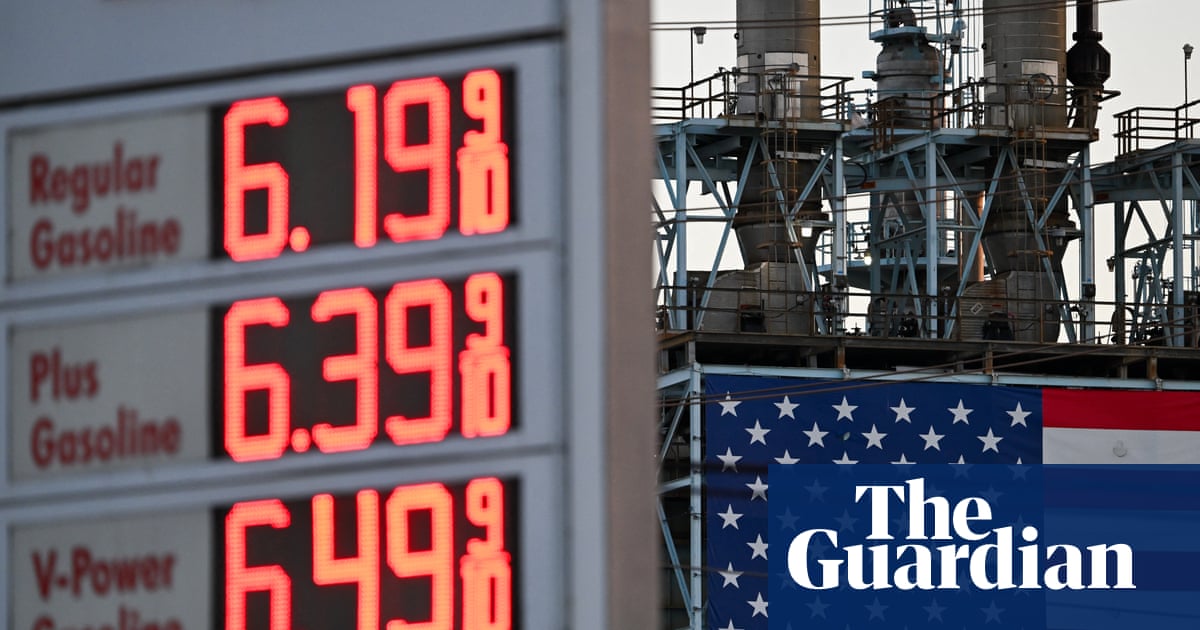
Writing in an editorial for the journal Science, political scientists Paasha Mahdavi of the University of California, Santa Barbara, and Michael Ross of the University of California, Los Angeles, detailed how government-backed consumer subsidies keep fuel artificially cheap by shifting costs onto taxpayers via borrowing, taxation, or spending cuts, as detailed by Sustainability Online. The authors argued that these interventions worsen air pollution, deplete public budgets, and obstruct renewable energy adoption. Because pump prices at local gas stations remain the most conspicuous economic indicator for ordinary citizens, politicians routinely reach for subsidies to calm voters, yet find them exceptionally difficult to dismantle once enacted.
Media additions



Historical data cited in the research show that among roughly 130 attempted subsidy reforms across the 21 largest subsidizing countries between 2016 and 2023, 70% failed within the first year, and over 90% collapsed before reaching three years. While some rollbacks met fierce public protest, others eroded quietly through inflation or currency depreciation. Jonas Kühl, an energy researcher at the International Institute for Sustainable Development who did not co-author the editorial, observed that broad mechanisms like price caps and fixed gas station prices disproportionately reward high-consumption businesses and wealthy individuals, though temporary targeted support for low-income households or essential transport can occasionally be justified.
The debate over fossil fuel financing unfolds against a backdrop of acute geopolitical disruption. The blockade of the Strait of Hormuz and military escalation involving Iran have shuttered approximately 20% of global oil supplies, driving prices up by nearly 40% to hover near $100 per barrel, according to Al Jazeera and E&E News by POLITICO. While the International Energy Agency coordinated a release of 400 million barrels of emergency reserves in March, experts note that the Global South largely lacks sufficient oil buffers. Developing nations with severe foreign exchange constraints and high external debt struggle to afford spot-market oil, prompting emergency measures such as energy rationing in Bangladesh, factory shutdowns in India, school closures in Pakistan, and declarations of energy emergencies in the Philippines.
Parallel warnings emerged from a pan-European commission on climate and health convened by the World Health Organization. In a report presented ahead of the World Health Assembly, the commission called on the WHO to declare the climate crisis a public health emergency of international concern, or PHEIC. Former Icelandic Prime Minister Katrín Jakobsdóttir, who chaired the commission, noted that European governments spent approximately €444bn annually on oil and gas production subsidies—outlays that directly contribute to roughly 600,000 premature deaths each year from air pollution in Europe alone, as reported by The Guardian.
Scientific projections regarding global temperature pathways have simultaneously evolved. A study published in April says that the extreme worst-case emissions scenario known as RCP8.5 or SSP5-8.5 is now less probable due to faster-than-expected renewable energy deployment, though scientists warned against complacency, noting that the planet remains on track to warm by approximately 3 degrees Celsius by 2100 and may temporarily breach the 1.5-degree threshold, as covered by Deutsche Welle.
| Metric / Indicator | Reported Figure or Finding | Attributed Source |
|---|---|---|
| Subsidy Reform Failure Rate (Year 1) | 70% of 130 attempted reforms collapsed within the first year (2016–2023) | Mongabay / Sustainability Online |
| Subsidy Reform Failure Rate (3 Years) | More than 90% failed within three years across major subsidizers | Mongabay / Sustainability Online |
| European Fossil Fuel Subsidies | Approximately €444bn spent annually on oil and gas production subsidies | The Guardian |
| Global Oil Supply Disruption | Roughly 20% of global oil supplies effectively shuttered by Strait of Hormuz closure | E&E News by POLITICO |
| Emergency Reserves Released | 400 million barrels of emergency reserves released collectively by IEA in March | Al Jazeera |
As international institutions evaluate responses to the intertwined energy, health, and climate crises, attention turns to upcoming diplomatic sessions and health assemblies. The WHO European region member states face immediate pressure to integrate climate strategies into healthcare resilience planning, while developing nations weigh whether to pursue regional energy-sharing pacts or petition for expanded governance within global stockpiling bodies.
How significant is this development?
Contribute your assessment to the aggregated reader sentiment ledger.
Frequently Asked Questions
Key questions answered in this reportWhat is the key development in: Researchers call fossil fuel subsidies the worst energy policy — Mongabay?
Energy experts warn that emergency fossil fuel subsidies undermine climate goals and drain public funds, with data showing 70% of reform attempts fail in their first year.
Why is this Business development significant for the UK?
This report covers critical events in our Business beat. Independent reporting monitors related UK statements, regulatory shifts, and public responses as further verified details emerge.
How was this reporting corroborated and verified?
Newsarchy UK compiles and cross-references reporting from primary reporting from E&E News by POLITICO and cross-checked wire reports. All coverage adheres to published editorial standards.
When was this report published?
This briefing was published on September 25, 2026 and is permanently cataloged in the Newsarchy UK Business archives.