Top scorer in South Korea's tax accountant exam admits he cheated with AI
The top-scoring candidate in South Korea's national tax accountant exam has confessed to using a miniature camera and generative AI to cheat, triggering emergency government security measures.
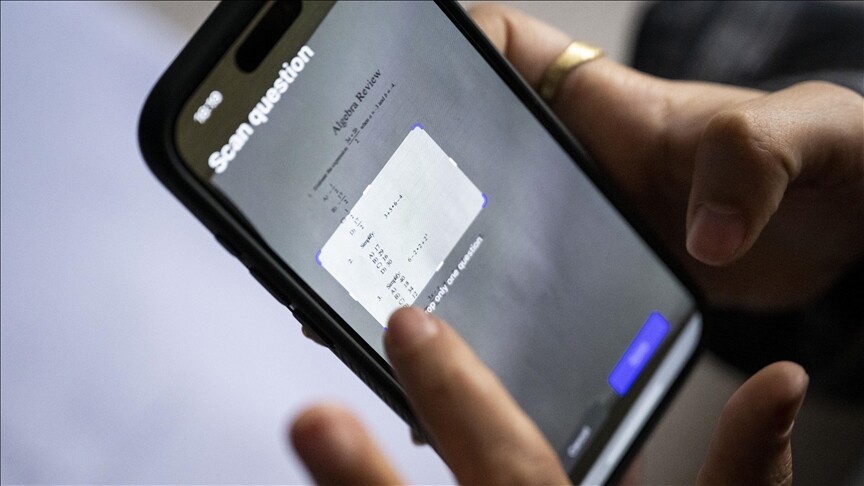
South Korea’s top-scoring candidate in a vital national qualification exam admitted to using artificial intelligence and concealed electronics to pass, triggering emergency government countermeasures ahead of high-stakes national testing.
The scandal erupted on Sunday, 15 November 2026, when Han Won-seok confessed in a video broadcast on his attorney's YouTube channel, according to international reports. The Human Resources Development Service of Korea administers the certification examinations, which dictate career trajectories in a society where professional licensing heavily governs social mobility. Han stated that he photographed examination questions using an ultra-miniature camera, transmitted the images to a generative AI system, and reviewed the retrieved answers on a smartphone during both the April and July test rounds.
Media additions


Public scrutiny began mounting after results released in late October showed unprecedented marks. In the initial stage, he missed just one question out of 160, securing a near-perfect score while answering every single question correctly in the tax law section. Such performance drew sharp skepticism in online communities, particularly given that the national average for that specific tax law section sat significantly lower among all test-takers. Following weeks of mounting online pressure and skepticism over his rapid rise, Han turned himself in to the Seoul Metropolitan Police Agency, submitting a written statement of voluntary surrender.
The fallout has exposed glaring vulnerabilities in exam room oversight. Four invigilators assigned to supervise Han failed to notice any irregularities, and initial checks by test administrators found no anomalies in computerized scoring data. Proctors and metal detectors struggled to locate the miniature equipment, laying bare the limitations of standard screening protocols against covert technology.
Furthermore, the deception extended beyond a single test. Han admitted to deploying the identical method during the initial stage of the certified public accountant examination, casting doubt across multiple professional licensing results. Explaining his actions, Han cited intense personal desperation, financial strain following business struggles after leaving a corporate job, and a strong desire to avoid disappointing his parents.
Government Response and Institutional Fallout
The admission sent immediate shockwaves through South Korean officialdom, arriving just days before the country's monumental university entrance examination. At the presidential office, senior officials convened an emergency meeting to formulate defensive measures. Prime Minister Han Seok-sook pledged rigorous oversight to protect the integrity of upcoming educational assessments, while the Blue House ordered a comprehensive review of screening mechanisms across all national licensing tests.
| Examination / Milestone | Administering Body | Reported Anomaly or Action |
|---|---|---|
| Certified Tax Accountant Exam (Stages 1 and 2) | HRD Korea / Finance Ministry | Top scorer confessed to AI cheating; certification pending revocation; criminal complaint filed. |
| Certified Public Accountant Exam (Stage 1) | Financial Services Commission | Suspect admitted using identical camera and AI setup. |
| College Scholastic Ability Test (Suneung) | Ministry of Education | Emergency security measures deployed; thermal imaging and dedicated inspection teams activated. |
The Human Resources Development Service of Korea formally apologized for failing to block the misconduct. Under national regulations, proven cheaters face invalidated test results and a mandatory five-year ban from sitting for certification exams.
What to Watch Next
- Police investigators will interrogate the suspect to determine whether accomplices assisted in the operation.
- Licensing authorities plan to expand audits into other professional qualification tests.
- Education officials will enforce heightened security protocols, including thermal imaging and stricter device checks, during upcoming academic evaluations.
As regulatory bodies weigh systemic reforms—ranging from advanced signal jamming to oral examinations—the incident serves as a stark warning for professional business sectors relying on automated credentialing systems. Authorities have yet to establish definitive preventive standards for generative tools operating silently in pocket devices, leaving the wider business coverage landscape watching how Seoul rewrites its exam security playbook.