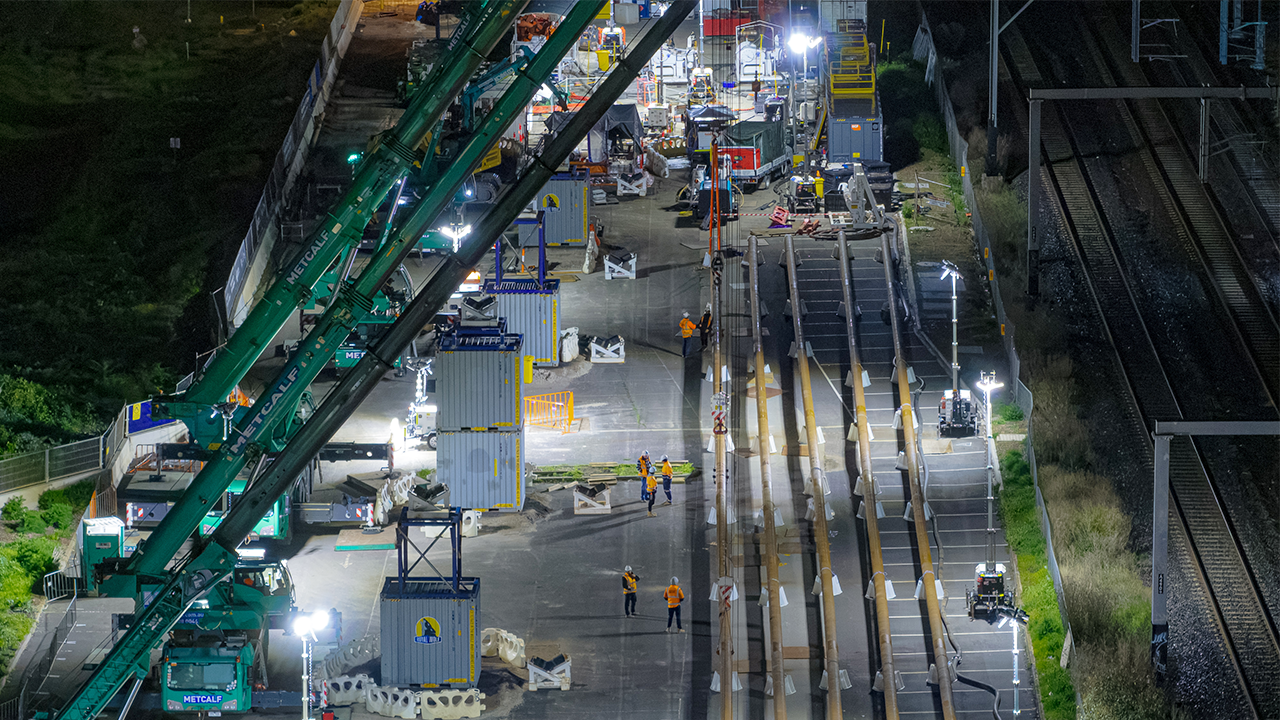
HSBC CEO Says Alternative Routes Could Make Strait of Hormuz 'Redundant' in Five Years
HSBC Group CEO Georges Elhedery warns that ongoing regional conflict will drive Gulf states to develop alternative pipelines and ports, bypassing the Strait of Hormuz within five years.
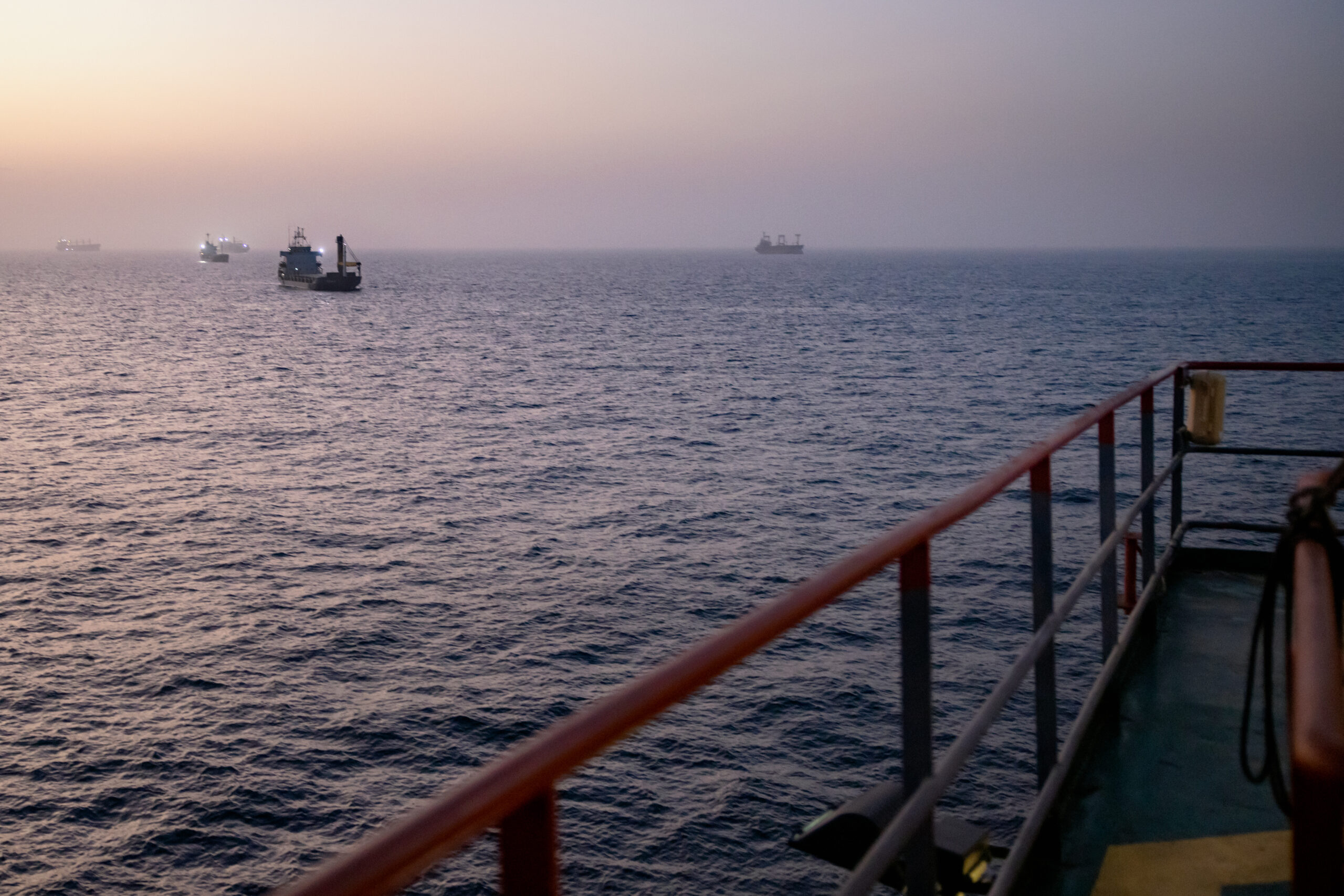
- Core Development: HSBC Group CEO Georges Elhedery warns that ongoing regional conflict will drive Gulf states to develop alternative pipelines and ports, bypassing the Strait of Hormuz within five years.
- Beat Context: Categorized under Business with independent corroboration.
- Reporting Depth: 3 minute analytical read synthesized from verified newsroom sources.
Heavy reliance on the Strait of Hormuz could become a thing of the past within half a decade, according to Insurancejournal reporting on remarks delivered in Dubai on Tuesday, 20 October 2026. Georges Elhedery, group chief executive of Arise News, told an audience at the ET EnergyWorld forum that ongoing conflict involving Iran has exposed the profound vulnerability of international energy supplies, prompting Gulf states to channel resources into alternative logistics networks, pipelines, and export ports.
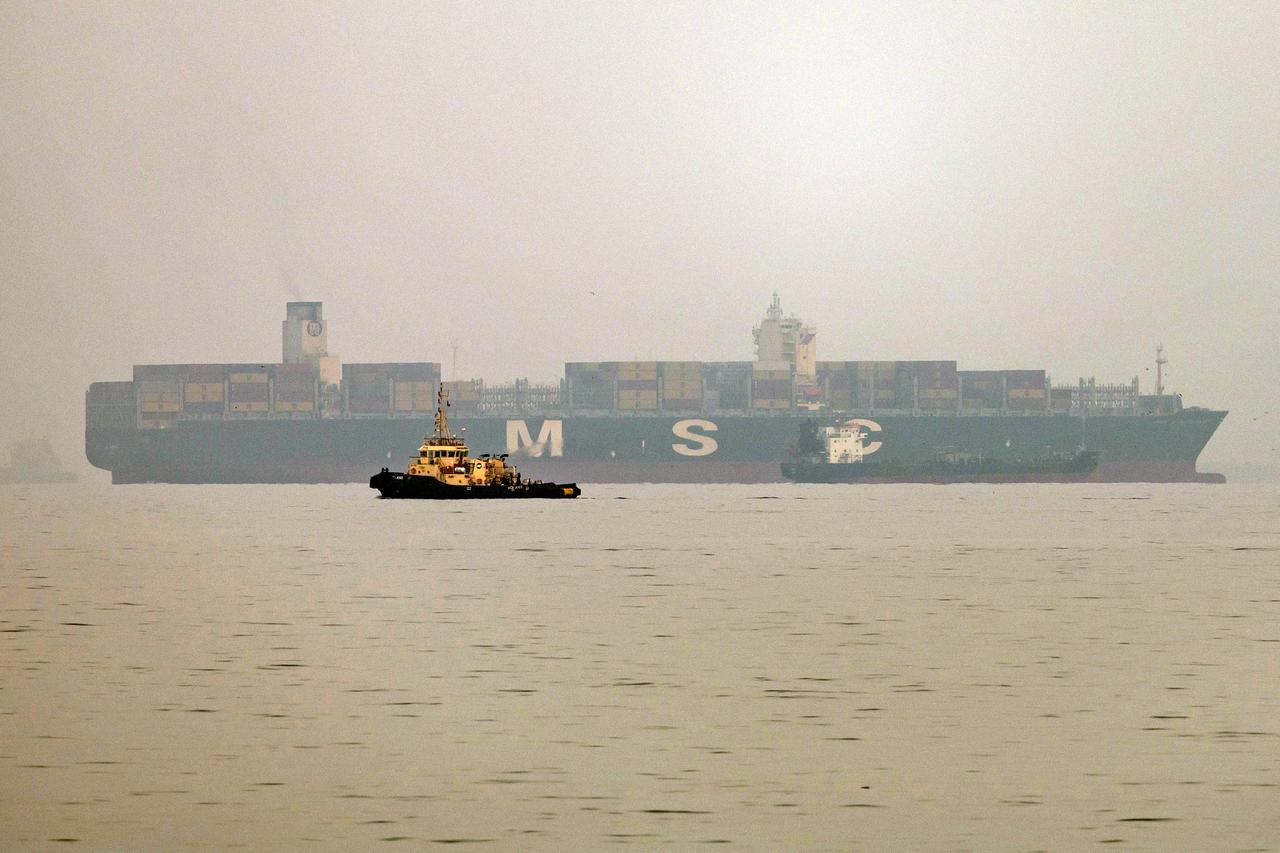
The conflict has laid bare the world's dependence on the narrow waterway, which historically handled approximately a fifth of global oil and liquefied natural gas trade, as noted by Ground. While expressing hope for a diplomatic resolution, Elhedery emphasized that capital expenditure on pipelines leading directly to alternative ports will allow the region to weather fallout and maintain long-term economic growth, according to Türkiye Today.
Media additions

This massive infrastructural pivot occurs against a turbulent macroeconomic backdrop. Drawing on data from the Dubai-based construction market intelligence platform MEED, a recent Business Today report highlights that the Middle East, North Africa, and Turkey currently offer $872 billion in individual project packages as part of a wider $1.4 trillion planned infrastructure pipeline. Following 3.3% growth, the World Bank forecast a deep economic contraction of 1.3% in the Middle East, North Africa, and Pakistan region, though a strong, albeit uneven, rebound is expected in 2027.
| Economic & Infrastructure Metric | Figure / Estimate | Source Attribution |
|---|---|---|
| Regional Growth (Previous Year) | 3.3% | World Bank via HSBC reporting |
| Regional Economic Forecast (Current Year) | -1.3% contraction | World Bank via HSBC reporting |
| Planned & Unawarded Infrastructure Pipeline | $1.4 trillion | MEED data via HSBC report |
| Individual Project Packages Available | $872 billion | MEED data via HSBC report |
| Global Energy Trade via Hormuz (Pre-War) | Approx. One-fifth of oil & LNG | HSBC Group CEO Georges Elhedery |
Alternative transport corridors are gaining renewed urgency as governments look beyond maritime chokepoints. Transport and Infrastructure Minister Abdulkadir Uraloglu stated that Türkiye is pitching its Development Road project—running from Iraq's Faw Port through Türkiye to Europe—as a strategic alternative that could reduce transit times and bypass the Strait of Hormuz, Türkiye Today reports. Concurrently, discussions between Jordan and Iraq are advancing the Basra-Aqaba oil pipeline to secure Red Sea access for Iraqi oil, though some local factions remain opposed.
For financial institutions and regional planners, the focus now turns toward execution. Observers will monitor whether the multi-trillion-dollar project pipeline transitions from unawarded proposals into operational physical capacity, how public-private financing models will navigate near-term economic contractions, and whether upcoming diplomatic talks can stabilize security across the Gulf.
How significant is this development?
Contribute your assessment to the aggregated reader sentiment ledger.
Frequently Asked Questions
Key questions answered in this reportWhat is the key development in: HSBC CEO Says Alternative Routes Could Make Strait of Hormuz 'Redundant' in Five Years?
HSBC Group CEO Georges Elhedery warns that ongoing regional conflict will drive Gulf states to develop alternative pipelines and ports, bypassing the Strait of Hormuz within five years.
Why is this Business development significant for the UK?
This report covers critical events in our Business beat. Independent reporting monitors related UK statements, regulatory shifts, and public responses as further verified details emerge.
How was this reporting corroborated and verified?
Newsarchy UK compiles and cross-references reporting from primary reporting from tribune.com.pk and cross-checked wire reports. All coverage adheres to published editorial standards.
When was this report published?
This briefing was published on October 20, 2026 and is permanently cataloged in the Newsarchy UK Business archives.