Job vacancies fall as small firms cut back on recruitment
UK job vacancies suffered their largest fall since the start of the year, dropping to a five-year low as businesses reined in recruitment amid surging operating costs.

- Core Development: UK job vacancies suffered their largest fall since the start of the year, dropping to a five-year low as businesses reined in recruitment amid surging operating costs.
- Beat Context: Categorized under Business with independent corroboration.
- Reporting Depth: 3 minute analytical read synthesized from verified newsroom sources.
Job vacancies across the UK have suffered their largest fall since the start of the year, driven primarily by smaller businesses slamming the brakes on recruitment in response to mounting operating pressures. According to official data from the Office for National Statistics, available roles declined significantly as employers grappled with rising overheads, leaving the wider jobs market showing distinct signs of strain ahead of upcoming fiscal announcements.
The contraction in available positions brought the total number of vacancies down to 691,000 in the three months to September, marking the lowest level recorded in more than five years, as reported by the Independent. Analysts noted that the construction sector experienced some of the sharpest decreases in available roles, reflecting broader hesitation among companies looking to expand their operations.
Media additions

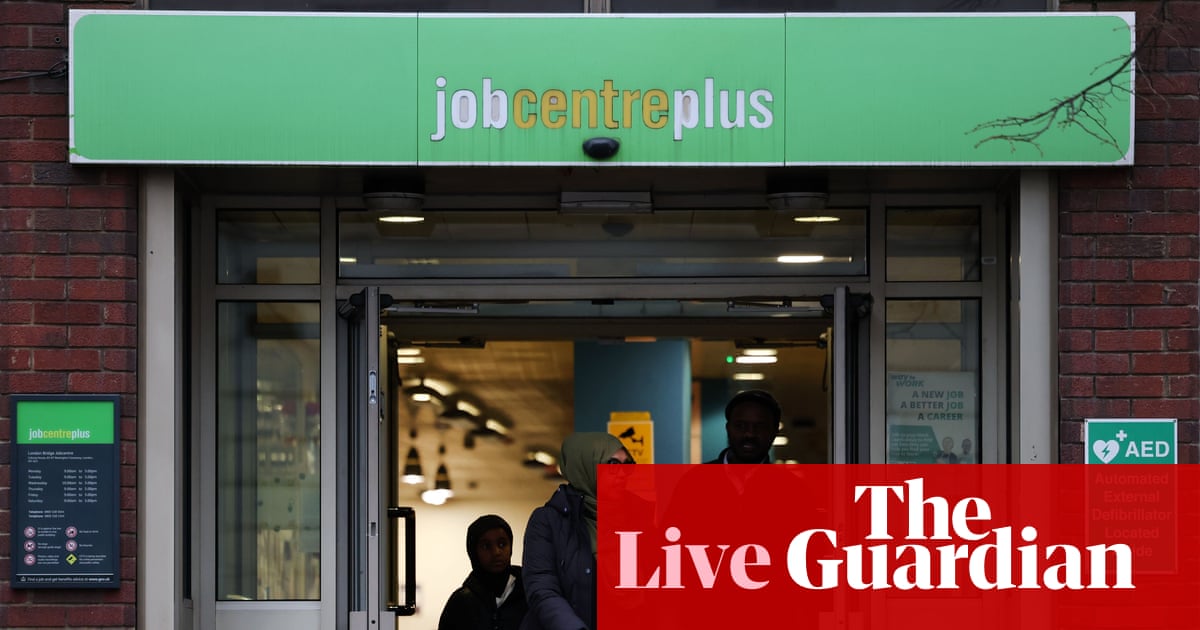

Operating costs have surged across the corporate sector. Companies large and small pointed to statutory increases in the minimum wage and higher employer National Insurance contributions introduced by the previous administration. Compounding these domestic pressures, energy bills have climbed since the outbreak of the Iran war, squeezing operating margins for firms already operating in an uncertain climate, as detailed by Companypulse.
A striking divergence emerged between declining recruitment demand and the headline unemployment rate, which dropped to 4.7% in the three months to August. Economists suggested this indicates that businesses are choosing to retain existing staff rather than execute layoffs, effectively freezing workforce expansion while keeping current headcounts stable. Pay growth across the workforce also showed signs of cooling, with average regular earnings excluding bonuses rising by 3.7% in the three months to August.
| Labour Market Metric | Latest Period Figure | Previous / Comparative Figure |
|---|---|---|
| Total Vacancies | 691,000 (three months to September) | 707,000 to 712,000 in earlier ONS releases |
| Unemployment Rate | 4.7% (three months to August) | 4.9% in preceding periods |
| Regular Earnings Growth (excl. Bonuses) | 3.7% (annual pace) | Earlier peaks around 3.9% to 5.5% (public sector) |
| Payroll Employment | 30.3 million (September provisional) | Slight quarterly contraction of 37,000 earlier |
Business representatives warned that the prevailing economic environment remains hostile to job creation. Patrick Milnes of the British Chambers of Commerce stated that firms are suffocating under a mountain of costs, noting that research indicates labour costs are the top pressure cited by a significant majority of businesses.
Uncertainty surrounding employment legislation has further dampened hiring sentiment. Kevin Fitzgerald, UK managing director at Employment Hero, noted that small and medium-sized enterprises have had to navigate successive changes to employment costs and legislation over the past two years, leading many to hold fire on recruitment drives until they gain clarity on government policy.
The squeeze on hiring has hit younger job seekers particularly hard. Government figures cited by the Bbc indicated that the unemployment rate for individuals aged 16 to 24 reached 15.6% in the June to August quarter, with nearly one million young people classified as not in education, employment, or training.
Looking ahead, the jobs market faces a critical juncture. The latest ONS figures serve as the final official labour market snapshot before Chancellor John Healey delivers his first Budget. Economists and business leaders await fiscal announcements to see whether measures will be introduced to alleviate cost burdens or if further regulatory changes will prompt additional caution among employers.
How significant is this development?
Contribute your assessment to the aggregated reader sentiment ledger.
Frequently Asked Questions
Key questions answered in this reportWhat is the key development in: Job vacancies fall as small firms cut back on recruitment?
UK job vacancies suffered their largest fall since the start of the year, dropping to a five-year low as businesses reined in recruitment amid surging operating costs.
Why is this Business development significant for the UK?
This report covers critical events in our Business beat. Independent reporting monitors related UK statements, regulatory shifts, and public responses as further verified details emerge.
How was this reporting corroborated and verified?
Newsarchy UK compiles and cross-references reporting from primary reporting from BBC and cross-checked wire reports. All coverage adheres to published editorial standards.
When was this report published?
This briefing was published on October 20, 2026 and is permanently cataloged in the Newsarchy UK Business archives.