India's Forex Reserves Dip by $4.4 Billion to $700.9 Billion
India's foreign exchange reserves hit a sixteen-week low of $700.90 billion, driven primarily by a sharp $4.09 billion drop in domestic gold holdings.
India's foreign exchange reserves declined to a sixteen-week low, according to data released by the Reserve Bank of India on Friday, November 27, 2026. The overall kitty contracted by $4.44 billion during the week ended November 20, 2026, landing at $700.90 billion, as reported by Rediff and Daily Excelsior. This follows an even sharper reduction in the previous weekly reporting period, when reserves dropped by $14.20 billion to $705.34 billion.
The consecutive weekly drawdowns mark a pronounced departure from the historic peak of $785.71 billion recorded during the week ending September 4, 2026. That all-time high was propelled by a heavy influx of currency through a special concessional swap for diaspora deposits, which enabled domestic banks to raise a record $133 billion, according to coverage by The Daily Jagran. However, the reserves have been on a declining path ever since.
Media additions
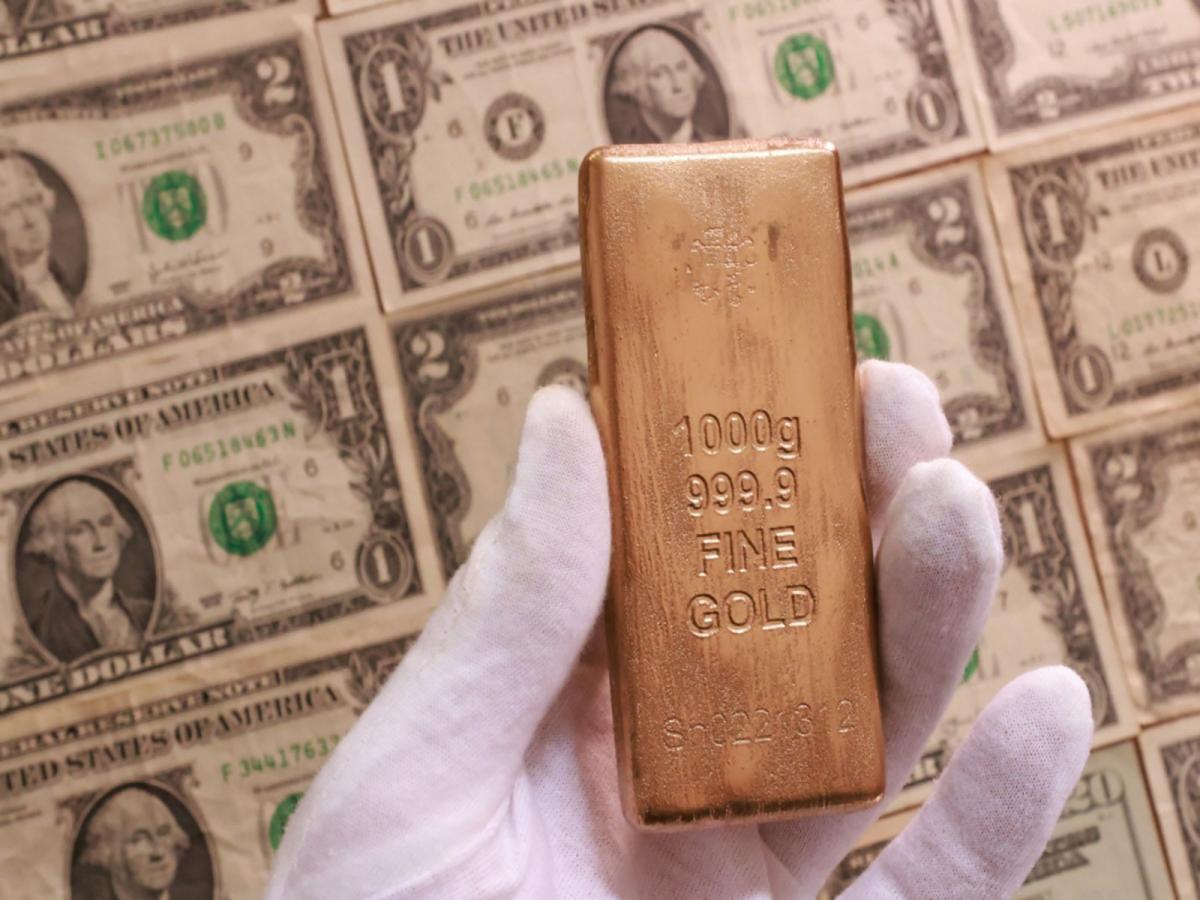

A breakdown of the central bank's Weekly Statistical Supplement shows that all major components of the foreign exchange reserves contracted during the week ending November 20, 2026. Gold reserves suffered the sharpest loss, plunging by $4.09 billion to $94.52 billion and accounting for nearly 92 percent of the weekly decline, as noted by Lokmat Times. This marked the second consecutive week of steep drops in domestic bullion holdings. Concurrently, foreign currency assets decreased by $266 million to $583.19 billion. Expressed in dollar terms, foreign currency assets absorb the valuation effects of the appreciation or depreciation of non-US units such as the euro, pound, and yen held by the central bank. Additional reductions were recorded in the Special Drawing Rights, which fell by $67 million to $18.45 billion, and India's reserve position with the International Monetary Fund, which dipped by $15 million to $4.74 billion, according to BW Businessworld.
| Reserve Component | Value as of November 20, 2026 | Weekly Change |
|---|---|---|
| Overall Foreign Exchange Reserves | $700.90 billion | -$4.44 billion |
| Foreign Currency Assets | $583.19 billion | -$266 million |
| Gold Reserves | $94.52 billion | -$4.09 billion |
| Special Drawing Rights (SDRs) | $18.45 billion | -$67 million |
| IMF Reserve Position | $4.74 billion | -$15 million |
Global economic shifts and currency dynamics heavily influenced the recent contraction. The dollar index rose from 102.3 to 103.2 during the period, diminishing the dollar-denominated value of other currencies in the reserve basket, while international gold prices pulled back from $4,096 per ounce earlier in the month to $3,898 per ounce by November 13, 2026, as outlined by BW Businessworld. These valuation pressures occurred even as the domestic rupee showed signs of recovery, closing around 92.67 against the US dollar after dipping near 97 in preceding weeks, though it later depreciated to 92.98 amid a surge in crude oil prices and a fall in domestic equity indices, according to The Daily Jagran. Traders observed that the central bank largely refrained from absorbing dollar inflows to curb the rupee's appreciation.
Broader macroeconomic context illustrates that the recent declines follow a tumultuous autumn for Indian financial markets. Earlier data analyzed by Livemint indicated that gold reserves had previously faced volatility due to rising US Treasury yields and a stronger US dollar, dipping to $106 billion in September 2026. Meanwhile, Times Now reported on an earlier historic four-week drawdown totaling $51.1 billion between September and October 2026 — the largest consecutive four-week drop since the RBI's weekly data series began in September 1998.
Economist Mitali Nikore, speaking to Times Now Digital, explained that foreign exchange reserves act as the nation's dollar savings, deployed by the RBI to settle import bills, service foreign debt, and stabilize the domestic currency. Nikore noted that surging import bills — driven by an Indian crude oil basket averaging $116 per barrel in September 2026 compared to $82 in July 2026, alongside foreign institutional outflows driven by geopolitical tensions in West Asia, contributed significantly to earlier reserve pressures.
Despite the recent downward adjustments, market analysts maintain that India's overall external buffers remain robust. Total foreign exchange reserves remain higher than levels recorded at the close of March 2026 and exceed figures from the corresponding period of the previous year, offering reassurance to market observers.
Observers will monitor upcoming RBI statistical supplements and global bullion movements to see whether the downward trend in gold valuations and foreign currency assets stabilizes or persists through the final quarter of the financial year.