Bank of England raises interest rate to 4% amid cost-of-living crisis
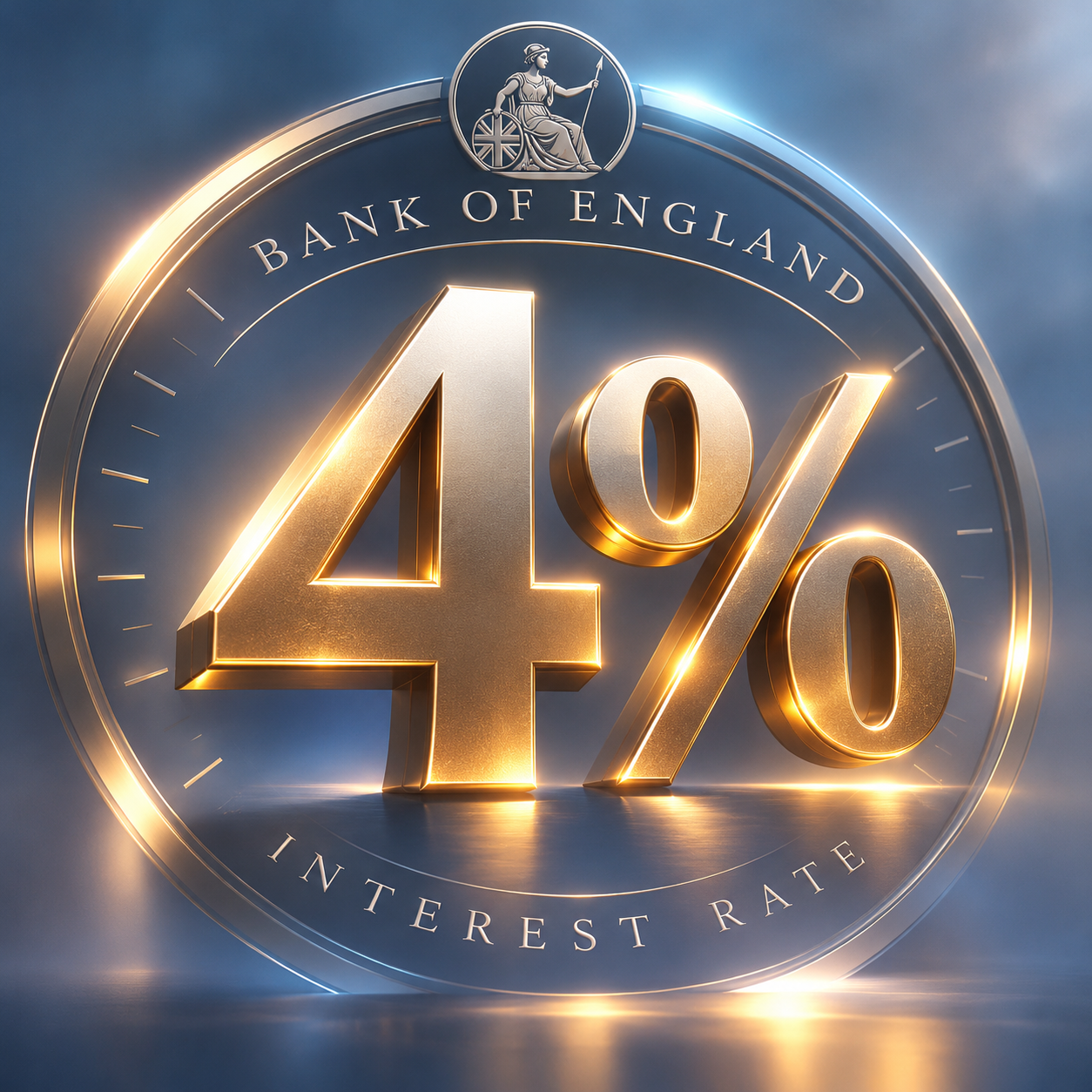
The Bank of England has raised its key interest rate to 4% amid a deepening cost-of-living crisis driven by surging energy prices linked to the Iran conflict.
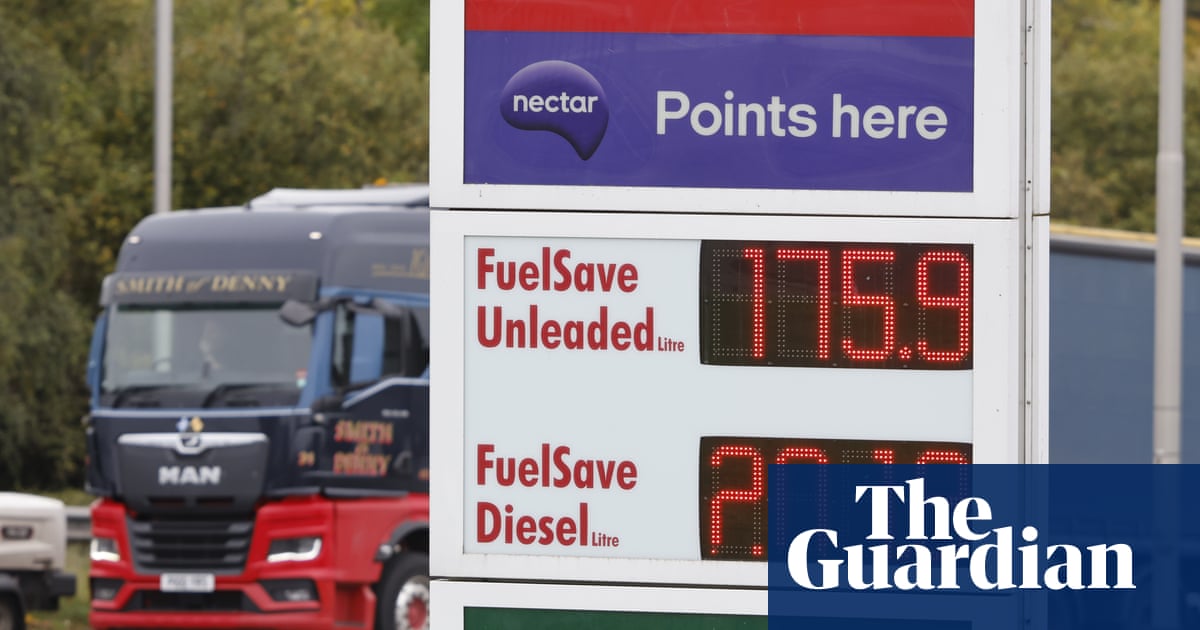
- Core Development: The Bank of England has raised its key interest rate to 4% amid a deepening cost-of-living crisis driven by surging energy prices linked to the Iran conflict.
- Beat Context: Categorized under Cost of Living with independent corroboration.
- Reporting Depth: 4 minute analytical read synthesized from verified newsroom sources.
The Bank of England lifted its key rate from 3.75% to 4% on Thursday, the first increase in more than three years, as it warned that inflation could climb to around 5% by the middle of 2027. The move comes as households grapple with a second cost‑of‑living crisis, while energy prices surge following the Iran conflict.
Bank’s rationale: a response to a sharp energy shock
The Monetary Policy Committee (MPC) voted 8‑1 to raise the Bank Rate by 25 basis points, a decision that follows a sharp rise in global energy and fuel prices linked to the Iran war. In its statement, the MPC said it expected U.K. Inflation to rise to “about 5%” by the middle of 2027 before falling back toward the 2% target.
Media additions


“There is now enough inflationary pressure in the pipeline caused by the rise in energy prices that an increase in Bank Rate is warranted.”
Andrew Bailey, Governor, The Guardian
Governor Andrew Bailey warned that further hikes could be required if the Middle East conflict does not resolve. He added that the Bank’s policy stance would remain conditional on energy price developments.
The Bank’s forecast is built on the assumption that the energy price shock will feed through to consumer prices, triggering a “second‑round” effect in wages and prices. The MPC’s most hawkish member, Catherine Mann, highlighted that “non‑linear inflation risks” could lead to a higher rate hike if the shock persists.
“My recent votes to increase Bank Rate by 25 basis points represented a ‘down payment’ to lean against second‑round effects, reinforce credibility, and uphold ‘good policy’.”
Catherine L Mann, MPC, CNBC
Office for Budget Responsibility offers a softer view
In contrast, the Office for Budget Responsibility (OBR) has warned that the Bank’s inflation forecast may be overstated. The OBR’s evidence to parliament on Wednesday suggested that the economy would grow by only 1% in 2027 and that CPI would peak at 3.75%.
OBR chief economist David Miles said that UK businesses have absorbed a large share of the energy cost rise, shrinking profit margins from 13‑14% to 10‑11%. He argued that this would dampen wage growth and reduce the likelihood of a wage‑price spiral.
“Where once margins averaged 13% to 14%, the latest figures show they have fallen to 10% to 11%.”
David Miles, OBR, The Guardian
OBR’s forecast also takes account of lower household savings and the fact that the current crisis differs from the 2022 post‑pandemic period, when household savings were high and labour markets tight.
Businesses and households feel the squeeze
Retailers, hospitality firms and transport companies are reporting higher costs and lower profit margins. The British Chambers of Commerce deputy director David Bharier said the decision was “dismaying” given the lack of evidence for a wage‑price spiral.
“Unemployment is higher than in 2022, the labour market is looser and our research shows AI adoption accelerating rapidly – with some of the deepest users more likely to expect headcount reductions.”
David Bharier, British Chambers of Commerce, The Guardian
Households, meanwhile, continue to spend to stay afloat. The Bank’s own survey of businesses and a separate report from its regional agents indicate that wage and price expectations have moved little since September, suggesting that the Bank’s concerns about a future wage surge may be premature.
Market reactions and future outlook
Markets had priced in a 99% chance of the hike before the announcement, and traders were already pricing in a one‑in‑four chance of another hike in December.
Yield on the benchmark 10‑year gilt rose to 5.1546%, while the 2‑year gilt yield increased to 4.782%. The pound remained flat against the dollar and euro.
Experts say the Bank may hold its next meeting in February, with the possibility of a 4.25% rate if energy prices do not fall. However, the Bank will monitor inflation data closely and could delay further tightening if the price shock eases.
Comparative outlooks
| Metric | Bank of England forecast | OBR forecast |
|---|---|---|
| 2026 Bank Rate | 4% | N/A |
| 2027 CPI peak | ≈5% | 3.75% |
| 2028 CPI target | 2% (by Q3) | N/A |
| 2027 GDP growth | 1.6% | 1% |
What to watch next
- February MPC meeting – potential for a 0.25% rate increase.
- Inflation data – CPI and PPI releases in December and January.
- Energy price developments – any easing of the Iran conflict.
- Business profit margins – updates from the Bank’s business survey.
For more on how the cost of living is affecting households, see our Cost of Living coverage. If you’re concerned about mortgage rates, read our feature on mortgage rates hitting a three‑year high.
How significant is this development?
Contribute your assessment to the aggregated reader sentiment ledger.
Frequently Asked Questions
Key questions answered in this reportWhat is the key development in: Bank of England raises interest rate to 4% amid cost-of-living crisis?
The Bank of England has raised its key interest rate to 4% amid a deepening cost-of-living crisis driven by surging energy prices linked to the Iran conflict.
Why is this Cost of Living development significant for the UK?
This report covers critical events in our Cost of Living beat. Independent reporting monitors related UK statements, regulatory shifts, and public responses as further verified details emerge.
How was this reporting corroborated and verified?
Newsarchy UK compiles and cross-references reporting from primary reporting from ing think and cross-checked wire reports. All coverage adheres to published editorial standards.
When was this report published?
This briefing was published on November 5, 2026 and is permanently cataloged in the Newsarchy UK Cost of Living archives.