IRAS imposes $6.8m in taxes and penalties on nightclubs over flower garlands
Singapore’s tax authority has penalized eight nightclubs for failing to correctly declare income from flower garland sales. The enforcement action follows audits that uncovered systematic under-reporting of GST and income for non-resident performers.
- Core Development: Singapore’s tax authority has penalized eight nightclubs for failing to correctly declare income from flower garland sales. The enforcement action follows audits that uncovered systematic under-reporting of GST and income for non-resident performers.
- Beat Context: Categorized under Business with independent corroboration.
- Reporting Depth: 4 minute analytical read synthesized from verified newsroom sources.
IRAS imposes $6.8 million in taxes and penalties on nightclubs over flower garlands
Singapore’s tax authority has slapped more than $6.8 million in taxes and penalties on eight nightclubs that failed to declare income from flower‑garland sales correctly. The crackdown, announced this week, hits an industry that relies on the practice of patrons buying lavish bouquets for performers and raises the stakes for clubs that treat the cash‑flow as a side‑business.
The Straits Times reported that the Inland Revenue Authority of Singapore (IRAS) took action against the eight venues after “risk‑based tax audits” uncovered systematic under‑reporting. The penalties, together with unpaid Goods and Services Tax (GST), push the total liability past the six‑figure mark for each offender and send a clear signal that creative accounting will no longer be tolerated in the nightlife sector.
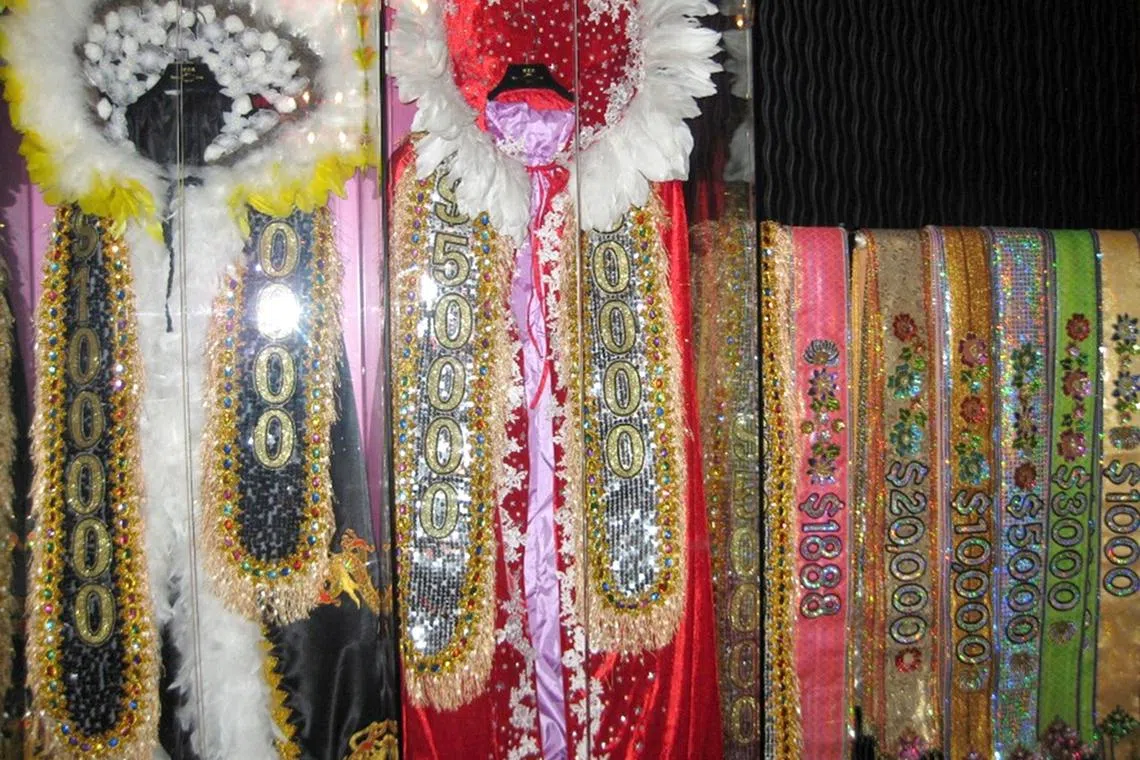
Flower garlands, often priced from a few hundred to tens of thousands of dollars, are purchased by club‑goers and presented to singers, dancers or DJs as a token of appreciation. The performer usually receives a share of the price, while the club retains the remainder as revenue. IRAS clarified that the entire sale – not just the club’s cut – constitutes a taxable supply, meaning GST must be applied to the full value.
Beyond GST, the authority reminded businesses that a 15 per cent withholding tax applies to the income of non‑resident performers, covering both salaries and the portion they earn from garland sales. Nightclubs are required to remit this withholding tax by the 15th of the second month after the payment is made to the foreign artist.
How the violations unfolded
Two high‑profile cases illustrate the pattern IRAS described as “creative” reporting. In 2021, Goh Kim Teck, who ran the Century 21st Night Club in Rochor, instructed staff to keep cash‑sales of garlands off the register between 2011 and 2014. When bookkeepers prepared GST filings, he reportedly concealed the true figures, resulting in a three‑week jail term and a fine of $8,500.
A year later, Soon Kok Khoon, operator of Club Posh Entertainment and West Palace Entertainment, was sentenced to jail and ordered to pay $630,861 after directing accountants to omit garland revenue priced between $50 and $100,000, as well as the related output tax. He also routed sales proceeds to two shell entities that were not GST‑registered, further complicating the audit trail.
Both incidents were cited by IRAS as examples of how clubs have tried to “hide” income, prompting the agency to issue a guidance article on July 3 that outlines the correct tax treatment for garland sales. The article, also covered by Asiaone, forms part of a broader effort to help businesses understand their obligations and to deter future abuse.
Timeline of key developments
- 2011‑2014 – Goh Kim Teck allegedly directs staff to record cash garland sales off the register at Century 21st Night Club.
- 2021 – IRAS prosecutes Goh; he receives a three‑week jail term and a $8,500 fine.
- 2022 – Soon Kok Khoon is jailed and penalised $630,861 for omitting garland revenue at Club Posh and West Palace.
- July 3, 2026 – IRAS publishes a guidance note on the tax treatment of flower garlands, urging clubs to treat full sales value as taxable.
- July 22, 2026 – IRAS announces enforcement action against eight nightclubs, totaling over $6.8 million in taxes and penalties.
Industry reaction and next steps
Nightclub owners who were not named in the enforcement notice have begun reviewing internal controls, with several reporting that they will upgrade point‑of‑sale systems to capture every garland transaction automatically. A spokesperson for the Singapore Nightlife Association told The Straits Times that members “are cooperating fully with IRAS and will ensure all future sales, including cash transactions, are logged in the system.”
Tax experts warn that the crackdown could have a ripple effect on related businesses, such as floral suppliers that cater to the nightlife market. “If clubs start treating garland sales as a fully taxable line item, suppliers may see a shift in ordering patterns, especially for high‑value bouquets,” said an analyst at a local accounting firm, speaking on condition of anonymity.
IRAS has indicated that it will continue to conduct “regular risk‑based tax audits across all industries,” suggesting that other sectors where cash‑intensive sales are common – such as bars, karaoke lounges and private event venues – could face similar scrutiny. The agency’s next public advisory, expected in the coming months, is likely to focus on the proper documentation of cash‑based revenue streams.
What to watch next
- Follow‑up audits of clubs that have already complied, to ensure ongoing adherence to GST and withholding‑tax rules.
- Potential policy revisions from IRAS regarding cash‑handling requirements for entertainment venues.
- Legal challenges from affected nightclubs, which may seek to contest the penalties in Singapore’s courts.
- Market response from floral vendors that serve the nightlife segment, as they adjust to new tax‑compliant ordering processes.
The enforcement action underscores a broader shift in Singapore’s fiscal landscape: revenue streams that were once treated as peripheral are now under the microscope. As nightclubs adapt to the heightened regulatory environment, the $6.8 million penalty serves both as a punishment for past misdeeds and a warning that the taxman’s reach extends into every corner of the city‑state’s vibrant after‑hours economy.
How significant is this development?
Contribute your assessment to the aggregated reader sentiment ledger.
Frequently Asked Questions
Key questions answered in this reportWhat is the key development in: IRAS imposes $6.8m in taxes and penalties on nightclubs over flower garlands?
Singapore’s tax authority has penalized eight nightclubs for failing to correctly declare income from flower garland sales. The enforcement action follows audits that uncovered systematic under-reporting of GST and income for non-resident performers.
Why is this Business development significant for the UK?
This report covers critical events in our Business beat. Independent reporting monitors related UK statements, regulatory shifts, and public responses as further verified details emerge.
How was this reporting corroborated and verified?
Newsarchy UK compiles and cross-references reporting from primary reporting from asiaone.com and cross-checked wire reports. All coverage adheres to published editorial standards.
When was this report published?
This briefing was published on July 22, 2026 and is permanently cataloged in the Newsarchy UK Business archives.