Fed Raises Interest Rates for First Time in Three Years
The US central bank has raised benchmark interest rates to a range of 3.75% to 4%, marking its first rate hike in three years amid persistent inflation pressures.
- Core Development: The US central bank has raised benchmark interest rates to a range of 3.75% to 4%, marking its first rate hike in three years amid persistent inflation pressures.
- Beat Context: Categorized under Business with independent corroboration.
- Reporting Depth: 3 minute analytical read synthesized from verified newsroom sources.
The US central bank has raised interest rates for the first time in three years, moving to address persistent price pressures that have outlasted previous tightening cycles. In a unanimous decision on Wednesday, 17 September 2026, policymakers voted to lift the benchmark borrowing rate, shifting monetary policy away from the accommodative stance maintained since the previous easing phase ended in July 2023. The decision arrives as households face elevated costs for essential goods, while geopolitical conflicts and broader economic shifts continue to challenge policymakers seeking price stability.
The Federal Open Market Committee approved the move by a 12-0 vote, pushing the target range to 3.75% to 4.00% according to US Federal Reserve raises key rate to 3.75%-4% after 3‑year pause. Federal Reserve Chair Kevin Warsh defended the action during a post-meeting press conference, emphasizing that the plain fact is that inflation is too high and has been for too long,
as reported by Al Jazeera. Warsh noted that the central bank had removed a dose of accommodation to help align financial conditions with its long-term objectives.
Media additions


The tightening action comes amid compounding economic pressures. Energy costs have surged following disruptions tied to the conflict involving Iran, which have pushed crude oil prices higher and lifted average petrol and diesel expenses for consumers. At the same time, robust capital spending fueled by artificial intelligence initiatives and ongoing tariff policies have added upward pressure to prices. According to Financialcontent, the higher benchmark rate will also directly increase the cost of owing the IRS, as federal law ties underpayment charges directly to short-term rates that compound daily.
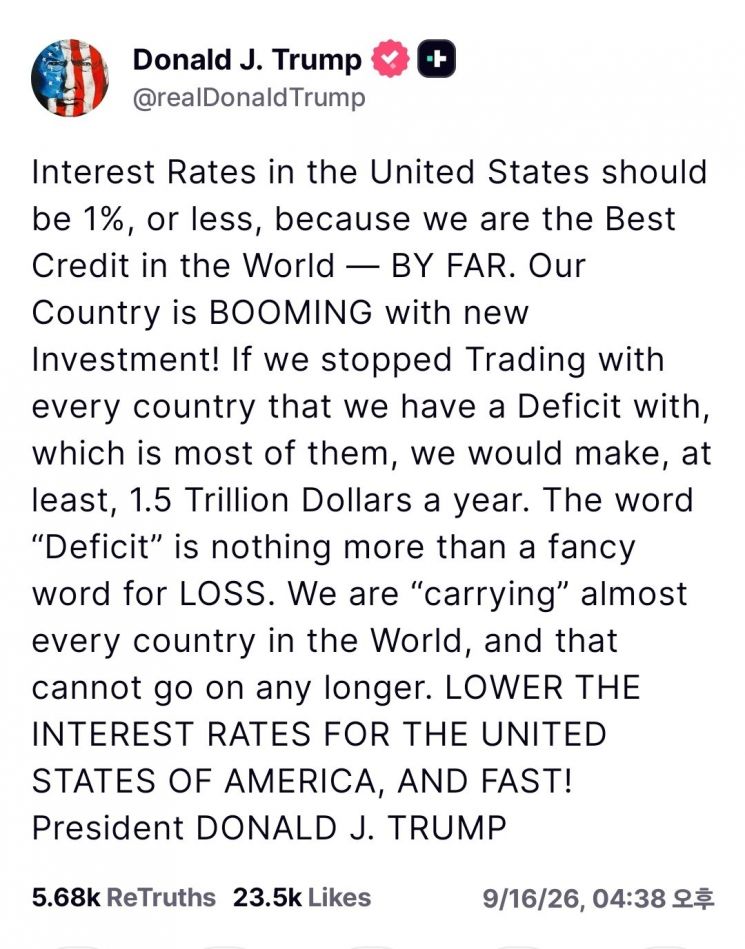
Writing on Truth Social, President Donald Trump argued that US rates should be set at 1% or lower, pointing to the country's creditworthiness and ongoing investment booms. Trump subsequently told reporters that he remains reliant on Kevin Warsh, though he described the board as very hostile.
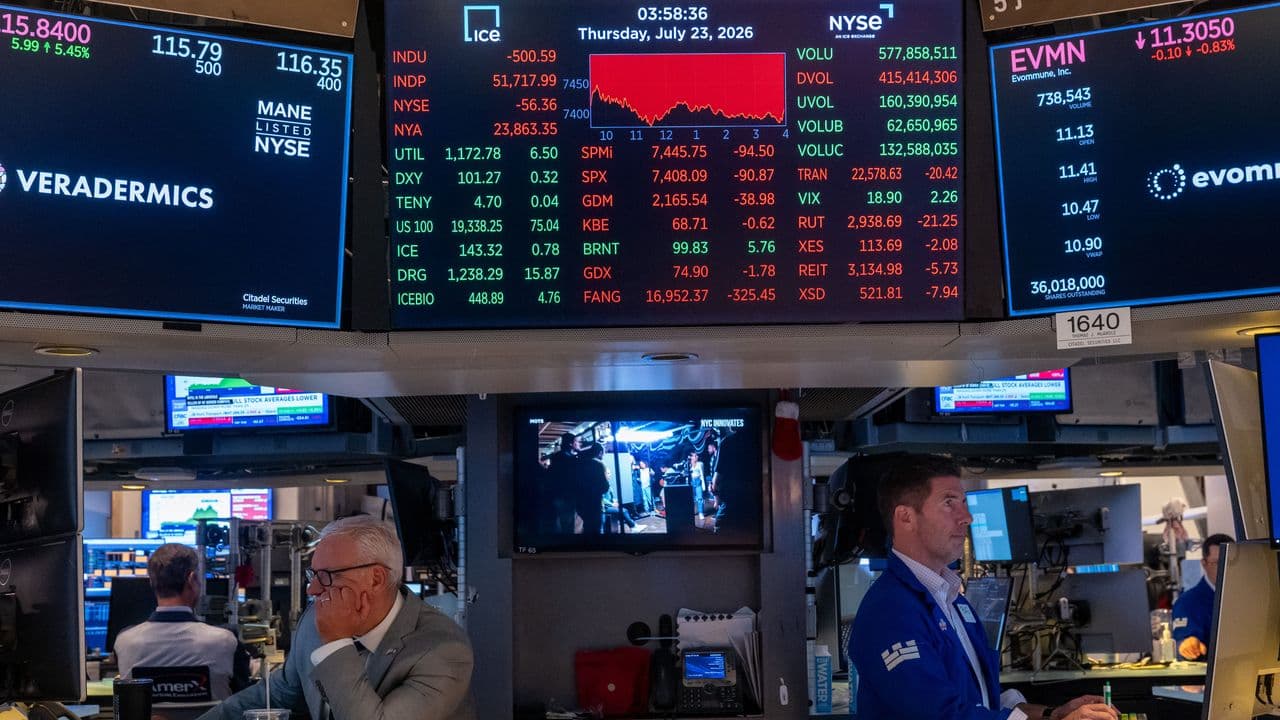
Financial markets experienced notable volatility following the announcement. Equity indices retreated slightly as investors digested the shift, with the S&P 500 easing while futures pared early losses. Meanwhile, longer-term borrowing benchmarks have climbed, with 10-year Treasury yields touching multi-year highs amid competing demands for capital and persistent geopolitical unease.
| Economic Indicator | Previous Projection / Rate | Current Projection / Rate |
|---|---|---|
| Federal Funds Target Range | 3.50% – 3.75% | 3.75% – 4.00% |
| Projected 2026 GDP Growth | 2.2% | 2.3% |
| Projected Headline Inflation | 3.3% – 3.6% | 3.4% – 3.7% |
| Projected Unemployment Rate | 4.3% | 4.1% |
Financial analysts are sharply divided on the trajectory of monetary policy following this initial step. While the central bank's dot plot signals the possibility of another quarter-point increase before year-end, external experts offer differing perspectives on whether a more aggressive approach was warranted. Jeffrey Gundlach, CEO of DoubleLine Capital, argued in a CNBC interview covered by Asiae that policymakers should have executed a larger 50-basis-point increase to signal absolute seriousness regarding price stability.
Consumers will soon feel the impact across various lending products. While higher rates translate into better yields for savers utilizing high-yield accounts and certificates of deposit, borrowers face immediate increases in credit card variable rates, alongside elevated costs for auto loans and mortgages. Market observers point out that the housing market has already felt the chill of surging Treasury yields and mortgage rates that reached multi-month highs ahead of the central bank's announcement.
As the business community analyzes the broader implications of the shift, attention turns to the upcoming policy gatherings scheduled for October and December, where officials will determine whether to execute further rate adjustments.
How significant is this development?
Contribute your assessment to the aggregated reader sentiment ledger.
Frequently Asked Questions
Key questions answered in this reportWhat is the key development in: Fed Raises Interest Rates for First Time in Three Years?
The US central bank has raised benchmark interest rates to a range of 3.75% to 4%, marking its first rate hike in three years amid persistent inflation pressures.
Why is this Business development significant for the UK?
This report covers critical events in our Business beat. Independent reporting monitors related UK statements, regulatory shifts, and public responses as further verified details emerge.
How was this reporting corroborated and verified?
Newsarchy UK compiles and cross-references reporting from primary reporting from PBS and cross-checked wire reports. All coverage adheres to published editorial standards.
When was this report published?
This briefing was published on September 17, 2026 and is permanently cataloged in the Newsarchy UK Business archives.