John Healey unveils new 3p per mile electric vehicle tax from 2028
Chancellor John Healey is overseeing plans to introduce a new mileage-based tax for electric vehicles starting in April 2028 to counter declining fuel duty revenue.
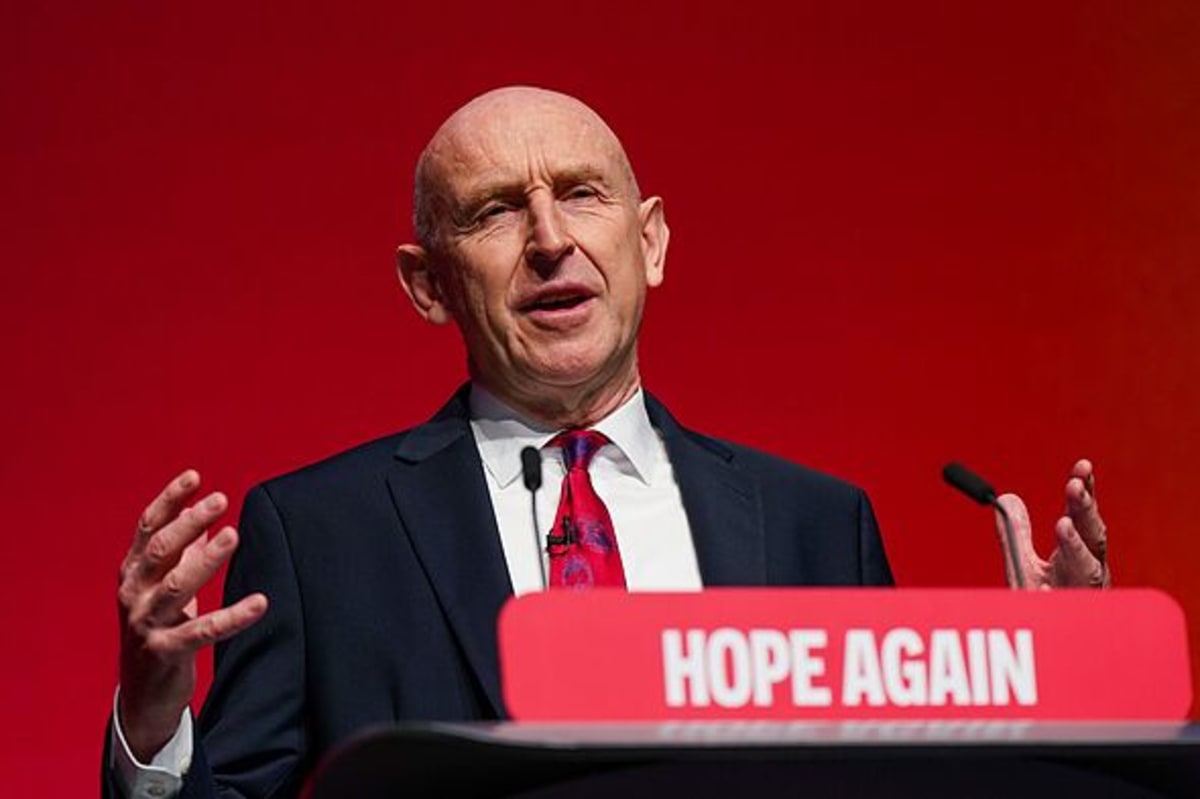
- Core Development: Chancellor John Healey is overseeing plans to introduce a new mileage-based tax for electric vehicles starting in April 2028 to counter declining fuel duty revenue.
- Beat Context: Categorized under Business with independent corroboration.
- Reporting Depth: 3 minute analytical read synthesized from verified newsroom sources.
Drivers across the nation face a significant shift in motoring taxation as Chancellor John Healey oversees plans to introduce a new mileage-based tax for electric vehicle owners, according to reports. Scheduled to come into force on April 1, 2028, the Electric Vehicle Excise Duty (eVED) will charge fully electric car owners 3p for every mile driven. Plug-in hybrid drivers will face a reduced rate of 1.5p per mile. The new levy will be paid on top of standard Vehicle Excise Duty, commonly known as road tax.
Originally announced under former chancellor Rachel Reeves in the Autumn Budget, the scheme is designed to address multi-billion-pound deficits in public finances as more motorists switch from petrol and diesel cars to electric alternatives. According to the Treasury, the shift toward electric vehicles gradually reduces the money raised through traditional fuel duty. Because electric vehicle owners do not pay fuel duty on the electricity used to charge their cars, officials argue the new system keeps motoring taxation sustainable over the longer term while keeping the per-mile rate for fully electric cars below the average fuel duty paid by petrol and diesel motorists. However, the policy could prove controversial among motorists who switched to electric vehicles partly to reduce their running costs.
Media additions

The financial impact will vary depending on annual mileage. A motorist driving 10,000 miles a year in a fully electric car would pay an estimated £300 annually through eVED, while someone covering the same distance in a plug-in hybrid would pay £150. Many motorists travel much further than this over the course of a year and will see costs tot up. For specific journeys, a 3p per mile charge could add an extra £3 to travel one-way between Cambridge and Oxford, or up to £12 more to go between London and Edinburgh. Concerns have been raised that drivers who use their cars for work or live in rural areas with little public transport options will be unfairly hit hardest by these added costs.
| Vehicle Type | Rate Per Mile | Cost for 10,000 Annual Miles |
|---|---|---|
| Fully Electric Vehicle (EV) | 3p | £300 |
| Plug-in Hybrid | 1.5p | £150 |
Industry figures have long debated road pricing reforms as electric vehicle adoption increases. Fuel duty, which has remained frozen for over a decade, remains one of the Treasury's most significant sources of income. By the year 2040, officials estimate that declining petrol and diesel use could cost the Exchequer £12 billion annually in lost revenue. While the new tax could help stabilise public finances, critics warn it risks dampening enthusiasm for electric vehicles, especially as motorists already face higher purchase prices and ongoing concerns about charging infrastructure.
Industry reaction has focused heavily on the potential barrier this creates for consumer adoption. Simon England, founder of ALA Insurance, addressed the changes:
"Drivers are being encouraged to switch to electric cars ahead of the 2030 ban on ICE vehicles but financial incentives are quickly disappearing. If EV drivers are expected to pay the same, or more, than petrol and diesel drivers, then that’s a legitimate barrier that will deter thousands of road users from switching."
Simon England, founder of ALA Insurance
The Treasury has not commented on the Budget speculation, but with the announcement due on October 28, all eyes will be on how the government balances environmental goals with fiscal realities. The updates may not end there, with suggestions that this could be part of a wider package of measures to support the EV sector is also set to be adopted as part of a drive to encourage people to switch to electric models.
How significant is this development?
Contribute your assessment to the aggregated reader sentiment ledger.
Frequently Asked Questions
Key questions answered in this reportWhat is the key development in: John Healey unveils new 3p per mile electric vehicle tax from 2028?
Chancellor John Healey is overseeing plans to introduce a new mileage-based tax for electric vehicles starting in April 2028 to counter declining fuel duty revenue.
Why is this Business development significant for the UK?
This report covers critical events in our Business beat. Independent reporting monitors related UK statements, regulatory shifts, and public responses as further verified details emerge.
How was this reporting corroborated and verified?
Newsarchy UK compiles and cross-references reporting from primary reporting from AOL.co.uk and cross-checked wire reports. All coverage adheres to published editorial standards.
When was this report published?
This briefing was published on October 10, 2026 and is permanently cataloged in the Newsarchy UK Business archives.