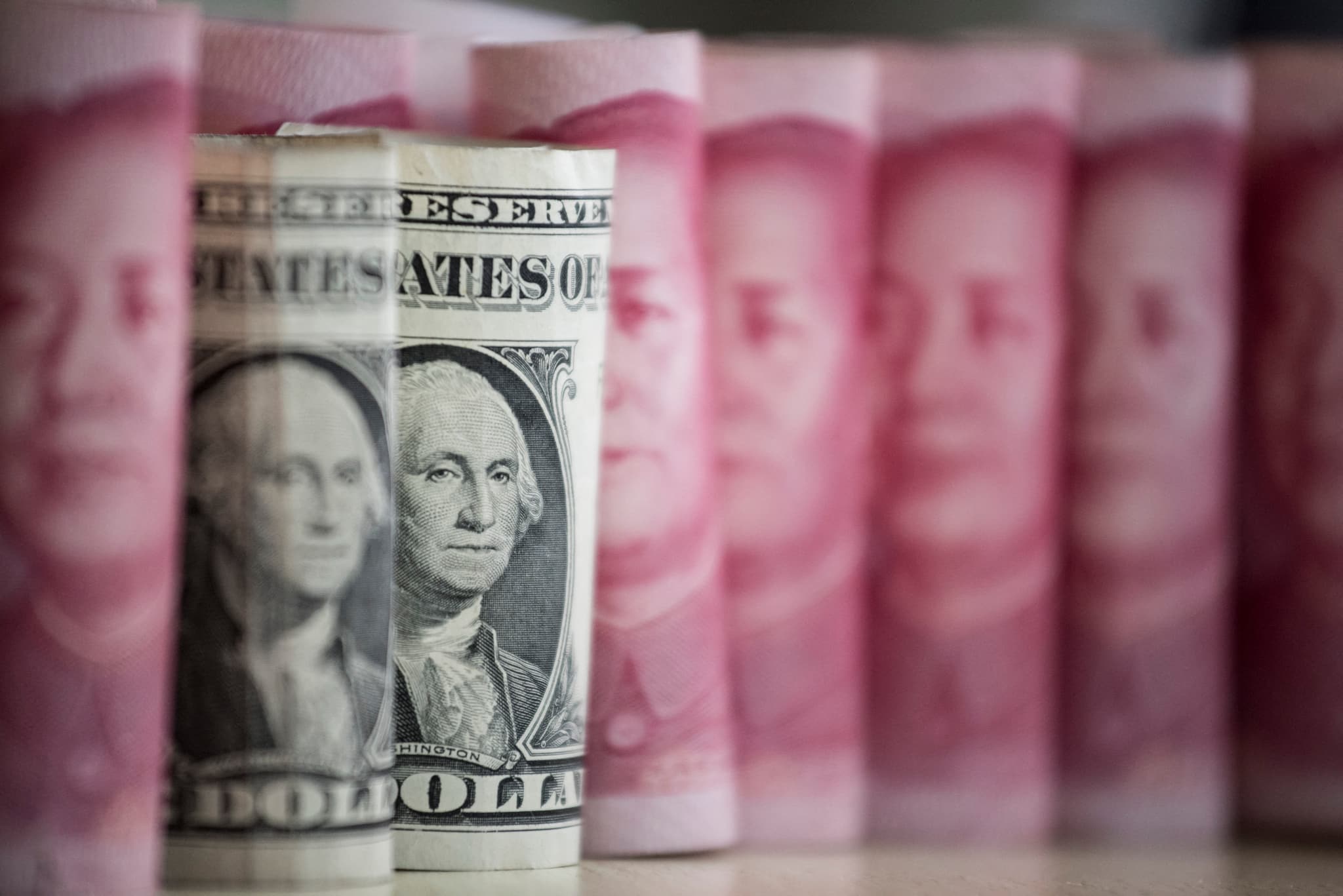
Meta CEO Mark Zuckerberg says US should not ban Chinese AI models
Meta CEO Mark Zuckerberg has argued against banning Chinese artificial intelligence models, clashing with officials and rivals over how the US should maintain its tech edge.
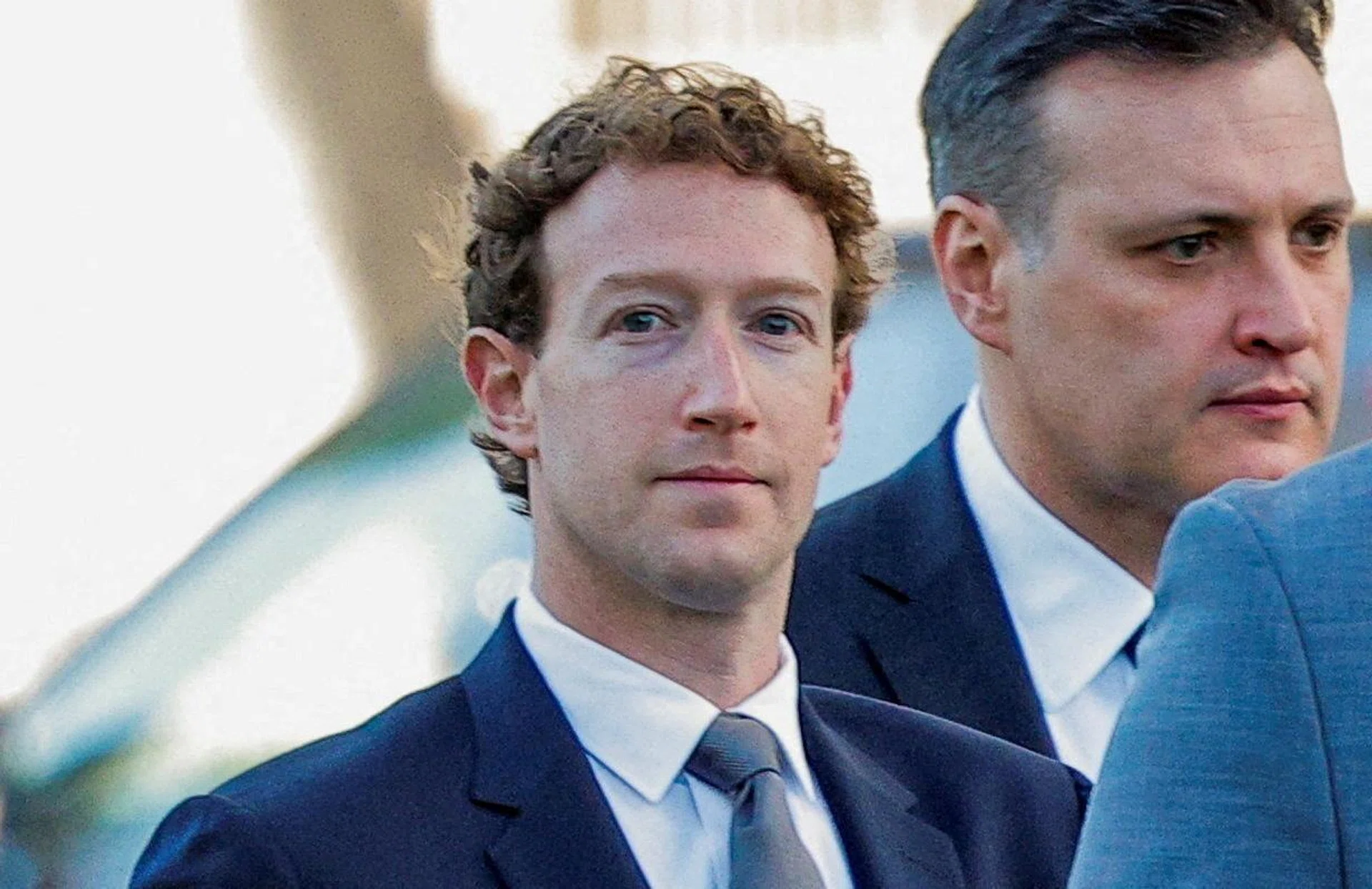
- Core Development: Meta CEO Mark Zuckerberg has argued against banning Chinese artificial intelligence models, clashing with officials and rivals over how the US should maintain its tech edge.
- Beat Context: Categorized under Business with independent corroboration.
- Reporting Depth: 3 minute analytical read synthesized from verified newsroom sources.
Meta Platforms chief executive Mark Zuckerberg told the Financial Times that the United States should not block Chinese artificial‑intelligence models as a way to gain an edge in the emerging AI race. The interview, published on Tuesday 28 July, came as the Trump administration announced fresh import bans on Chinese robotics and power inverters.
“The big trend in the industry’s development has always been towards greater openness, putting technological power in the hands of more people, not fewer,”
Mark Zuckerberg, CEO of Meta Platforms, via The Next Web
Zuckerberg added that banning “cutting‑edge Chinese AI” would not be “an effective solution,” and argued that U.S. Firms should “systematically identify bottlenecks and roadblocks” to stay ahead of their Chinese rivals.
Policy moves in Washington
On the same day the interview appeared, the administration unveiled bans that target imports of new Chinese robots and power inverters. Treasury Secretary Scott Bessent warned that Chinese firms could face financial sanctions or be placed on the Commerce Department's Entity List, a move that would curtail their access to U.S. Technology.
These steps are framed as a defence of U.S. National‑security interests and an effort to “reshore key industries slated for explosive growth.” The language mirrors earlier rhetoric that seeks to protect the domestic AI build‑out from perceived threats.
Moonshot AI and the Kimi K3
At the centre of the debate is Beijing‑based Moonshot AI, whose Kimi K3 model was released in mid‑July. The model has attracted attention for strong coding capabilities, prompting Washington officials to question whether Chinese developers are copying U.S. Systems or achieving breakthroughs of their own.
The timing of the Kimi K3 launch has sharpened the policy conversation. In a letter dated 24 July, twenty‑five organisations signed a document titled “Open Weights and American AI Leadership,” arguing that openness, not restriction, is the safer route to maintaining U.S. Primacy.
Industry split: openness versus restriction
Zuckerberg’s stance aligns him with a cluster of companies that champion open‑weight models – Microsoft, Nvidia and entrepreneur‑investor Elon Musk have all spoken in favour of freely available AI weights. By contrast, OpenAI and Anthropic have warned that the most capable models pose safety and security risks, from cyber‑attack vectors to potential misuse in bioweapon development, and have called for tighter governmental oversight.
Meta’s own trajectory reflects the tension. The company built its AI reputation on the open‑weight Llama series, yet its newest flagship, Muse Spark, arrived as a closed‑source system – a shift that critics quickly highlighted.
In the same interview, Zuckerberg implicitly criticised rivals that press for restrictions, suggesting that concentrating power in the hands of a few labs and the governments that lobby for them could stifle innovation. He contrasted that view with his belief that the greatest danger lies in a technology “being put into the hands of fewer people.”
Nvidia’s chief executive Jensen Huang has publicly pushed back against the hawkish faction, echoing Meta’s call for openness. The clash between the two camps plays out against a broader geopolitical backdrop where the United States seeks to preserve its AI lead while Chinese firms accelerate development.
What to watch next
U.S. Officials continue to weigh export controls and potential model restrictions against the need to stay competitive.
For ongoing coverage of how AI policy shapes the technology sector, visit our Business hub.
How significant is this development?
Contribute your assessment to the aggregated reader sentiment ledger.
Frequently Asked Questions
Key questions answered in this reportWhat is the key development in: Meta CEO Mark Zuckerberg says US should not ban Chinese AI models?
Meta CEO Mark Zuckerberg has argued against banning Chinese artificial intelligence models, clashing with officials and rivals over how the US should maintain its tech edge.
Why is this Business development significant for the UK?
This report covers critical events in our Business beat. Independent reporting monitors related UK statements, regulatory shifts, and public responses as further verified details emerge.
How was this reporting corroborated and verified?
Newsarchy UK compiles and cross-references reporting from primary reporting from thenextweb.com and cross-checked wire reports. All coverage adheres to published editorial standards.
When was this report published?
This briefing was published on July 29, 2026 and is permanently cataloged in the Newsarchy UK Business archives.