Missouri judge approves $7.25bn Bayer settlement over Roundup cancer claims
A Missouri judge approved a nationwide class action settlement that could reach up to $7.25 billion, resolving extensive litigation over Roundup cancer claims.
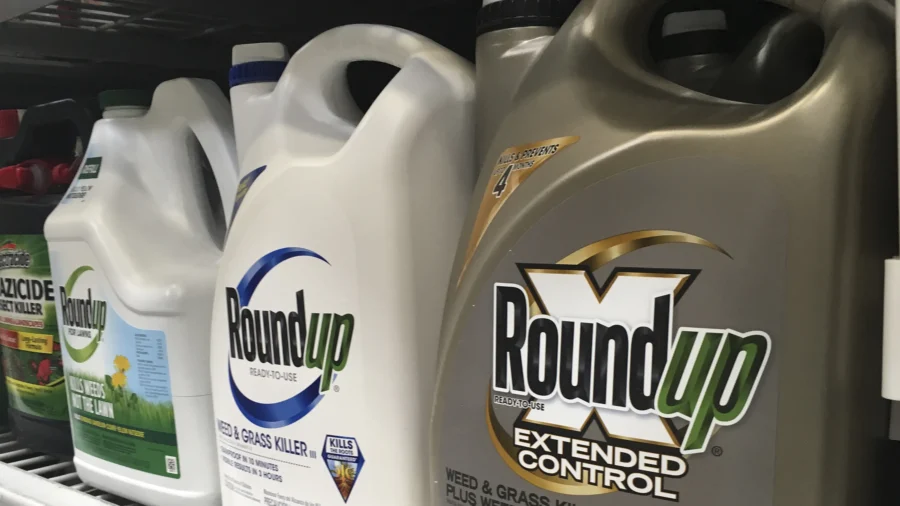
A Missouri judge approved a multibillion-dollar class action settlement resolving extensive litigation over cancer claims tied to the weedkiller Roundup, providing financial certainty to its manufacturer while reshaping legal options for thousands of plaintiffs.
St. Louis Circuit Judge Timothy Boyer issued a written judgment granting final approval to a nationwide settlement that could reach up to $7.25 billion. The financial agreement covers eligible individuals already diagnosed with non-Hodgkin lymphoma alongside others who receive diagnoses during a specified future period. The agrochemical maker will fund the arrangement through annual payments spanning two decades. The formal greenlight arrives nearly a decade after corporate parent Bayer inherited the legal liabilities through its acquisition of Monsanto.
Media additions
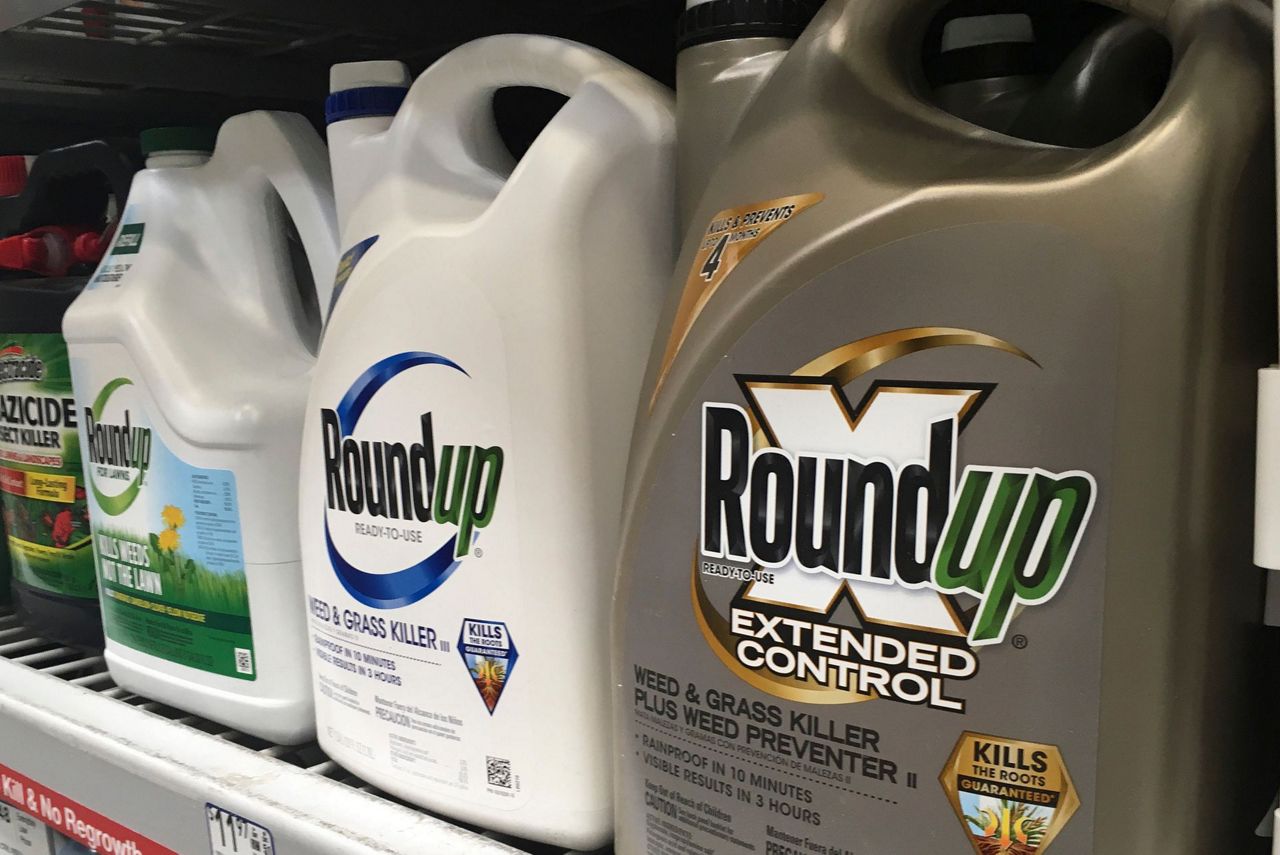


The origins of the dispute trace back to Missouri-based Monsanto introducing Roundup to the agricultural market, relying on the chemical glyphosate as its active ingredient. The weedkiller became ubiquitous across farms because it was engineered to be used alongside genetically modified seeds capable of resisting the herbicide's lethal effects. This allowed agricultural producers to increase yields while minimizing soil tilling for conservation. Controversy deepened when the World Health Organization’s International Agency for Research on Cancer classified glyphosate as probably carcinogenic. Conversely, the U.S. Environmental Protection Agency maintained its determination that the chemical is not likely to cause human cancer when applied according to instructions.
Bayer absorbed mounting legal exposure when it acquired Monsanto. The German biotech giant had previously paid billions to resolve separate litigation waves, yet courtroom battles persisted in state and federal forums. Juries delivered wildly mixed verdicts over the years, ranging from plaintiff awards in the billions to complete defense victories. Tensions reached a turning point when the U.S. Supreme Court issued a 7–2 ruling concluding that federal pesticide regulations preempt state failure-to-warn claims. That high court decision undermined a core pillar supporting many ongoing lawsuits.
Judge Boyer defended the multi-billion-dollar agreement in his ruling, describing average individual payouts as fair and adequate while noting the total sum ranks among the largest in mass tort personal injury history. He warned that rejecting the deal carried a distinct risk that Bayer might seek bankruptcy protection, which would leave plaintiffs stranded. The approved framework includes hundreds of millions of dollars earmarked for attorneys' fees.
Corporate leadership welcomed the decision. Bayer CEO Bill Anderson characterized the approval as a decisive milestone in mitigating risks associated with pending and future litigation. Meanwhile, plaintiffs' counsel defended the compromise as a pragmatic outcome. Court-appointed counsel Christopher A. Seeger argued that the order delivers guaranteed compensation to cancer victims who have waited more than a decade for justice under the shadow of appellate delays and shifting legal precedents.
Not all legal representatives shared that optimism. Dissenting attorneys voiced sharp criticism during prior hearings regarding the restrictions placed on claimants. Attorney Gerson Smoger blasted the arrangement during a September fairness hearing, calling it the scariest and worst future settlement ever contemplated because it binds future claimants for decades without granting access to punitive damages while leaving the herbicide commercially available.
The approved framework sets up a graduated compensation structure. Individual payouts vary significantly based on exposure duration, age at diagnosis, and illness severity. Agricultural, industrial, and turf workers experiencing prolonged exposure and aggressive illness before age 60 stand to receive higher averages, whereas individuals diagnosed at advanced ages receive lower amounts.
| Claimant Profile | Diagnostic Criteria | Projected Average Compensation |
|---|---|---|
| Agricultural, Industrial, & Turf Workers | Aggressive disease, diagnosed under age 60 | $165,000 |
| Standard General Participants | Diagnosed at age 78 or older | $10,000 |
Legal experts note that the resolution leaves certain flanks exposed. Bayer expects relatively few eligible claimants to opt out, and the company has stated that Monsanto will continue defending remaining cases that fall outside the class action parameters.
What to Watch Next
- Potential appeals challenging the settlement structure, which could suspend annual funding contributions from Monsanto.
- The processing speed and administration of the special claims fund managed by appointed counsel.
- Future developments in remaining federal court litigation where plaintiffs have opted out of the broader class settlement.