Moderna and Merck mRNA melanoma vaccine cuts recurrence risk by 42 percent
A personalized mRNA cancer vaccine developed by Moderna and Merck significantly reduces melanoma recurrence risks, according to landmark Phase 3 clinical trial results.

- Core Development: A personalized mRNA cancer vaccine developed by Moderna and Merck significantly reduces melanoma recurrence risks, according to landmark Phase 3 clinical trial results.
- Beat Context: Categorized under Business with independent corroboration.
- Reporting Depth: 3 minute analytical read synthesized from verified newsroom sources.
A customized cancer vaccine jointly developed by Moderna and Merck significantly lowers the risk of late-stage melanoma returning or resulting in death compared to standard treatment alone. The landmark late-stage trial findings arrived prematurely on October 22, 2026, after being briefly published on an oncology news portal, prompting the pharmaceutical partners to issue their official data ahead of a scheduled presentation on October 24, 2026, at the European Society of Medical Oncology meeting in Madrid.
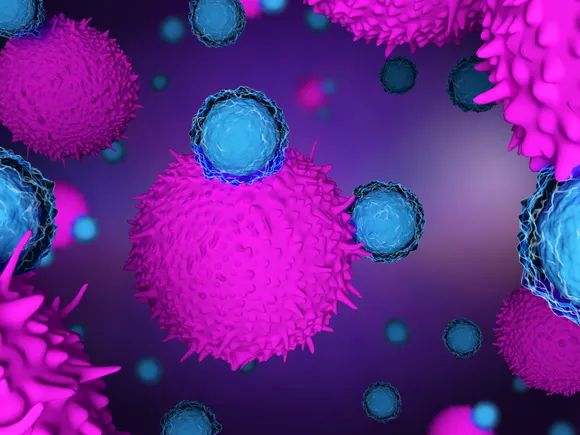
The experimental treatment, designated as intismeran autogene or mRNA-4157, relies on messenger RNA technology similar to that used in COVID-19 immunisations. The process begins by genetically sequencing a patient's tumor and comparing it against healthy cells to identify specific neoantigens. Researchers then engineer synthetic mRNA encoding up to 34 distinct mutations, which are encased in lipid nanoparticles. When administered, the vaccine trains the patient's immune system to recognize and attack malignant cells bearing those targeted proteins.
Media additions

Participants in the trial received up to nine doses of the custom vaccine once every three weeks, paired with Keytruda — a checkpoint inhibitor that removes natural biological breaks preventing immune cells from attacking cancer. According to Yahoo News, Dr. David Berman, Moderna's chief development officer, expressed astonishment that the trial data closely mirrored findings from an earlier Phase 2 study, despite the broader and more advanced patient population involved in the final-stage evaluation.
| Endpoint / Metric | Intismeran + Keytruda Combo | Keytruda + Placebo (Standard Care) |
|---|---|---|
| Recurrence-Free Survival (RFS) at 2 Years | 82.2% | 70.0% |
| Distant Metastasis-Free Survival (DMFS) at 2 Years | 88.5% | 80% |
| Reduction in Risk of Recurrence or Death | 42% | Baseline |
| Reduction in Risk of Distant Metastasis or Death | 38% | Baseline |
Investigators noted that the therapeutic benefit of intismeran appeared to accelerate approximately six months into the regimen, a delay attributed to the time required for T-cells to become fully activated and educated by the mRNA instructions.
While medical experts hailed the results as a pivotal milestone in oncology, market analysts highlighted a divergence between investor sentiment and clinical reality. As reported by BioPharma Dive, the 42% risk reduction fell slightly shy of the stronger figures observed in a smaller, five-year Phase 2 evaluation, leading to a profit-taking retreat. The Columbus Ledger-Enquirer noted that the market correction erased billions from Moderna's market capitalization following months of speculative stock gains.
Side effects associated with the combination regimen were generally manageable, consisting largely of typical vaccine-related reactions such as fatigue, fever, and localized injection-site pain. Discontinuation rates due to adverse events remained low, with roughly 7% halting treatment in the vaccine arm compared to 5% in the comparator group, as documented by BioPharma Dive.
The companies are currently engaging with regulatory authorities to seek formal approvals.
What Happens Next
- Moderna and Merck plan to continue discussions with regulatory agencies regarding commercial approval pathways.
- Additional mid- and late-stage clinical trials evaluating intismeran across other malignancies — including non-small cell lung cancer, renal cell carcinoma, and bladder cancer, are ongoing, with readouts anticipated in late 2026 and early 2027.
How significant is this development?
Contribute your assessment to the aggregated reader sentiment ledger.
Frequently Asked Questions
Key questions answered in this reportWhat is the key development in: Moderna and Merck mRNA melanoma vaccine cuts recurrence risk by 42 percent?
A personalized mRNA cancer vaccine developed by Moderna and Merck significantly reduces melanoma recurrence risks, according to landmark Phase 3 clinical trial results.
Why is this Business development significant for the UK?
This report covers critical events in our Business beat. Independent reporting monitors related UK statements, regulatory shifts, and public responses as further verified details emerge.
How was this reporting corroborated and verified?
Newsarchy UK compiles and cross-references reporting from primary reporting from biopharmadive.com and cross-checked wire reports. All coverage adheres to published editorial standards.
When was this report published?
This briefing was published on October 23, 2026 and is permanently cataloged in the Newsarchy UK Business archives.