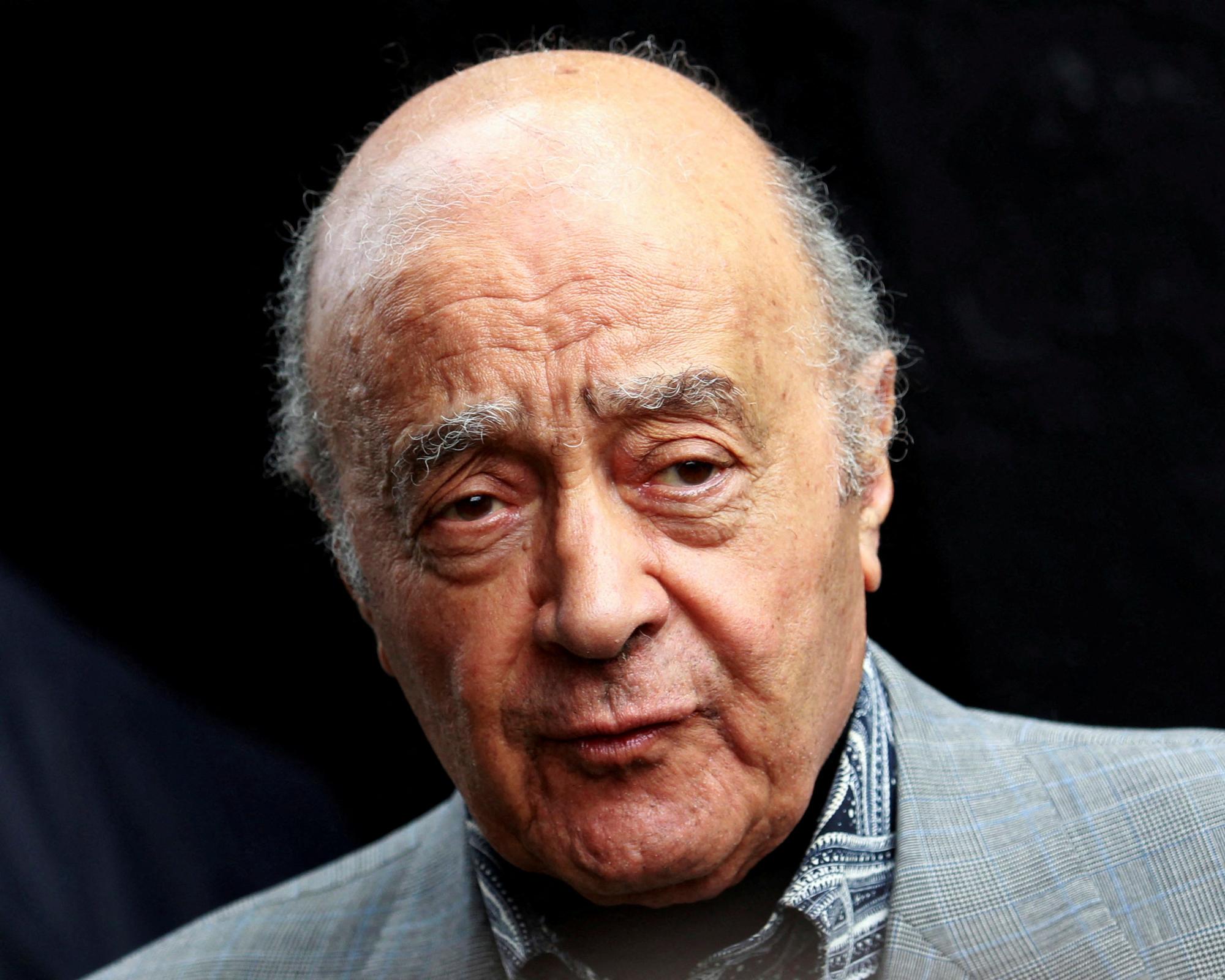
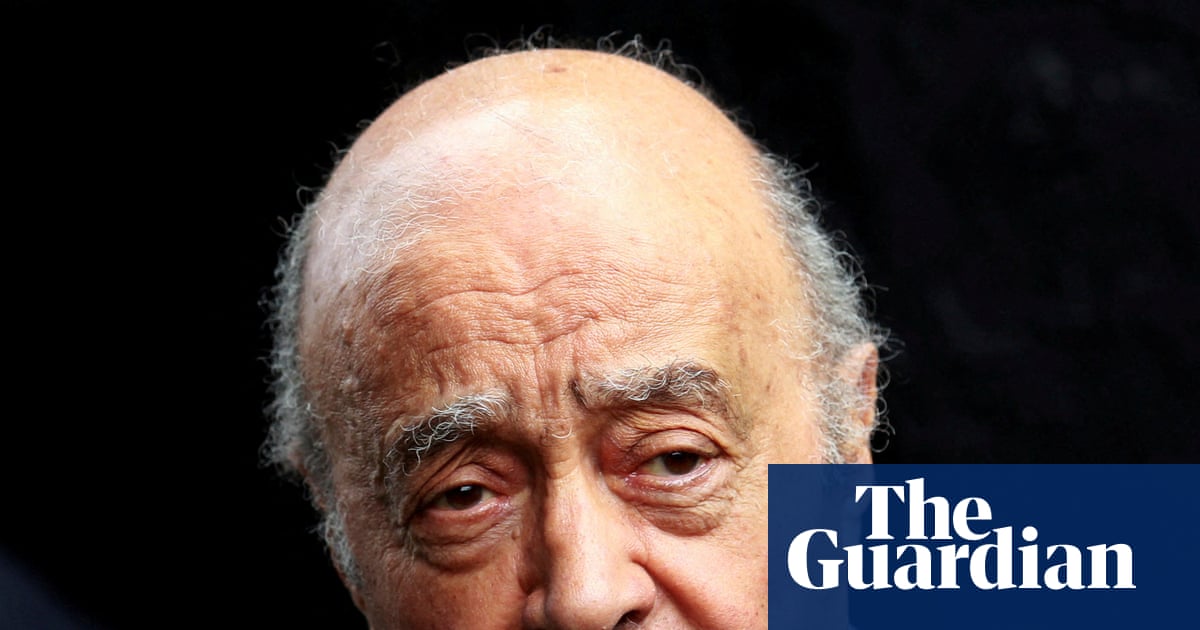
At least five Mohamed Al Fayed abuse survivors confirmed as human-trafficking victims
At least five survivors of sexual abuse linked to former Harrods owner Mohamed Al-Fayed have been officially confirmed as human-trafficking victims by the Home Office.
- Core Development: At least five survivors of sexual abuse linked to former Harrods owner Mohamed Al-Fayed have been officially confirmed as human-trafficking victims by the Home Office.
- Beat Context: Categorized under Business with independent corroboration.
- Reporting Depth: 3 minute analytical read synthesized from verified newsroom sources.
At least five survivors of sexual abuse linked to the former Harrods owner Mohamed Al-Fayed have now been officially confirmed as victims of human trafficking by the Home Office, according to reporting by Aol, The Guardian, and The Mirror. These determinations stem from positive conclusive grounds decisions issued through the National Referral Mechanism after referrals were made by the charity Unseen UK.
According to The Mirror, all four members of an advocacy group for survivors called No One Above — identified by the pseudonyms Justine, Elizabeth, Margo, and Isabella — have received positive conclusive grounds decisions identifying them as modern slavery victims. These decisions follow an earlier ruling received by Rachel Louw regarding abuse suffered at the hands of Mohamed Al-Fayed and his late brother Salah, who died in 2010. Under the 2015 Modern Slavery Act, human trafficking applies to arranging or facilitating travel for exploitation, including sexual purposes, across international borders, domestically, or within specific buildings, with victim consent remaining irrelevant under the law.
Media additions

The Scope of Domestic and International Exploitation
The confirmed cases span both international and domestic trafficking networks, encompassing incidents that occurred within the Harrods department store as well as other businesses and private properties controlled by the businessman. According to reporting by AOL and The Mirror, the experiences stretch from the 1990s through to events taking place after the sale of the store in 2010.
Survivors have described diverse methods of recruitment and movement:
- One victim was recruited into a false role directly within Harrods.
- Two additional victims were hired for legitimate roles before being selected from the shop floor for abuse.
- Another survivor worked as a domestic worker after being recruited through a letting agency.
- Pelham Spong, a survivor from South Carolina, previously reported being trafficked in Paris on Al-Fayed’s orders before being sent to London.
Margo noted that the network extended far beyond the department store into properties such as Balnagown, Saint-Tropez, Fayair, and Fulham Football Club. Survivors argue that the abuse relied on a vast infrastructure of enablers rather than the actions of a single individual. In a statement reported by The Mirror and The Guardian, a survivor named Isabella stated:
"He couldn’t have done what he did without Harrods processing women to him and silencing them afterwards. And it wasn’t just Harrods, obviously. It was any entity that Al-Fayed owned or had control of. It was his yachts, his aviation business, the Ritz Paris, his properties all over France and Monaco, it went as far as the States and the UAE – anywhere that man touched."
Isabella, survivor, via The Mirror
Justine described feeling shellshocked upon receiving her conclusive grounds decision in June, noting that seeing the confirmation in writing was very shocking to read. Elizabeth noted that victims were recruited, exploited, and silenced, arguing that everyone connected to the case is a trafficking victim due to the systemic nature of the abuse.
Investigation and Institutional Scrutiny
More than four hundred allegations of sexual misconduct have been raised regarding the period between 1977 and 2014, including accusations of rape, sexual assault, human trafficking, false imprisonment, drugging, physical violence, and forced abortions. The Metropolitan Police are investigating at least one hundred fifty‑six victims who contacted them directly, including twenty‑one who came forward before the Egyptian businessman died in 2023 at the age of ninety‑four without facing criminal charges.
The Metropolitan Police are investigating the matter under Operation Cornpoppy, examining who may have facilitated or enabled the crimes. Officers have questioned four individuals thus far. Criticism has been directed at the police response, prompting the Independent
How significant is this development?
Contribute your assessment to the aggregated reader sentiment ledger.
Frequently Asked Questions
Key questions answered in this reportWhat is the key development in: At least five Mohamed Al Fayed abuse survivors confirmed as human-trafficking victims?
At least five survivors of sexual abuse linked to former Harrods owner Mohamed Al-Fayed have been officially confirmed as human-trafficking victims by the Home Office.
Why is this Business development significant for the UK?
This report covers critical events in our Business beat. Independent reporting monitors related UK statements, regulatory shifts, and public responses as further verified details emerge.
How was this reporting corroborated and verified?
Newsarchy UK compiles and cross-references reporting from primary reporting from mirror.co.uk and cross-checked wire reports. All coverage adheres to published editorial standards.
When was this report published?
This briefing was published on August 3, 2026 and is permanently cataloged in the Newsarchy UK Business archives.