Moonshot AI accused of stealing US technology and using banned Nvidia chips
White House officials allege that Moonshot AI utilized distillation to train its system and acquired restricted Nvidia servers to bypass trade controls. These claims arrive as the administration considers potential sanctions ahead of planned diplomatic meetings.
- Core Development: White House officials allege that Moonshot AI utilized distillation to train its system and acquired restricted Nvidia servers to bypass trade controls. These claims arrive as the administration considers potential sanctions ahead of planned diplomatic meetings.
- Beat Context: Categorized under Business with independent corroboration.
- Reporting Depth: 3 minute analytical read synthesized from verified newsroom sources.
The United States government has levelled serious allegations against Beijing-based Moonshot AI, accusing the firm of orchestrating a large-scale campaign to misappropriate proprietary technology from American industry leaders. According to Michael Kratsios, the director of the White House Office of Science and Technology Policy, these activities appear designed to bypass rigorous export controls and intellectual property protections that underpin the domestic technology sector.
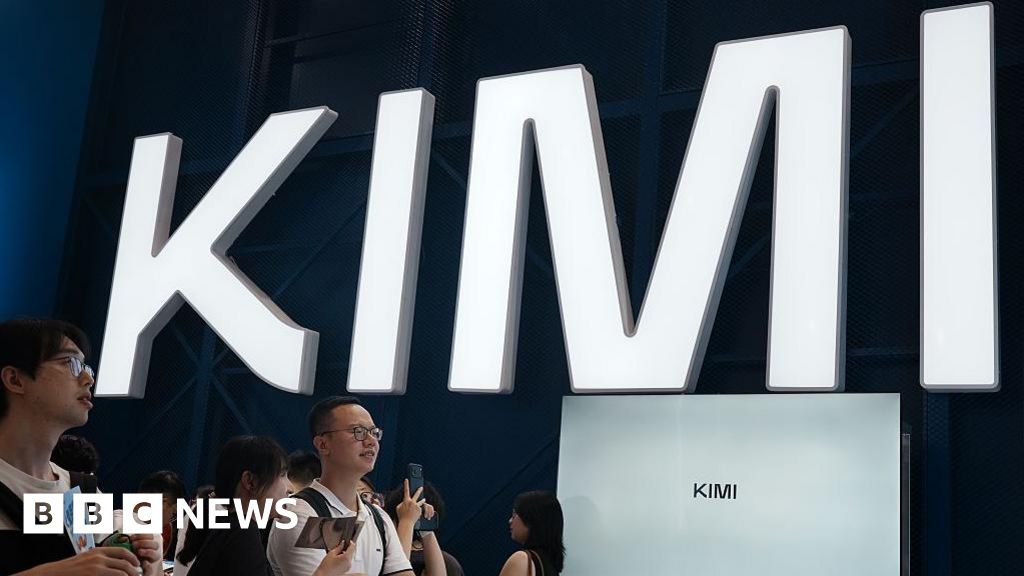
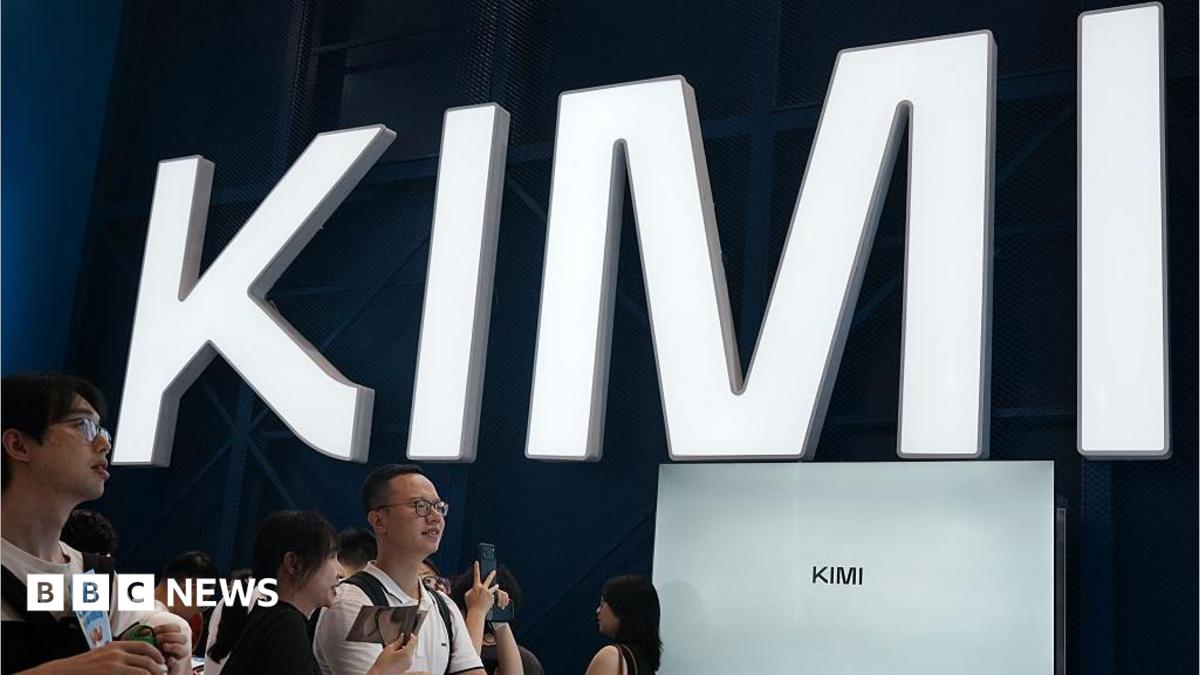
The controversy centres on the recent unveiling of the Kimi K3 model, which garnered international attention for its sophisticated performance. Kratsios asserted on Wednesday that the Kimi K3 system was developed through "distillation"—a process where a developer uses the outputs of a highly capable, foreign-developed AI to train a local model. Specifically, the White House claims Moonshot AI distilled capabilities from Anthropic’s Fable AI to build its new system.
Media additions
Beyond the software allegations, the US government claims that Moonshot AI has bypassed hardware restrictions intended to prevent the Chinese military and private sector from accessing the most powerful computing platforms. Kratsios stated that the company secured access to restricted Nvidia servers, specifically those equipped with the GB300 Grace Blackwell computing platform. Officials suggest that Moonshot may have acquired these systems through intermediaries in Thailand to circumvent trade prohibitions that have been in place since 2022.
These developments represent an escalation in the ongoing friction between Washington and Beijing regarding technological sovereignty. Treasury Secretary Scott Bessent warned on Tuesday that the administration is prepared to move beyond rhetoric.
"We support open-source AI and the innovation it unlocks. But open source is not open season on American IP. If we see, especially, that overseas models are stealing from our great companies, we have the ability to sanction them."
Scott Bessent, Treasury Secretary, via Fox Business
The tension arrives at a sensitive diplomatic juncture, with President Donald Trump expected to meet his Chinese counterpart Xi Jinping in September. For the US, the protection of its artificial intelligence sector has become a matter of national economic security. This is not the first time such accusations have been raised; in June, Anthropic accused Chinese e-commerce and tech giant Alibaba of "illicitly" extracting the capabilities of its Claude AI models using distillation attacks.
The White House previously signalled its intent to address these concerns. In April, the administration stated it would work more closely with US AI companies to combat industrial-scale campaigns by foreign rivals. In a memo issued at that time, Kratsios noted that these efforts were aimed to "systematically undermine American research and development and access proprietary information".
For its part, the Chinese government has not issued a public statement regarding the current Moonshot AI allegations. However, the state has previously maintained that its domestic development of artificial intelligence was "the result of its own dedication and effort as well as international cooperation".
Moonshot AI is currently moving forward with plans to release Kimi K3 as an open-source model on 27 July. This release will mark the first time a model of this scale is made freely available for customisation by the global developer community.
What to Watch Next
- 27 July: Moonshot AI is scheduled to release the Kimi K3 model as open-source.
- September: The upcoming meeting between President Trump and Xi Jinping is expected to serve as a forum for addressing these systemic technological trade disputes.
Whether these accusations result in direct sanctions remains uncertain, but the White House has made it clear that the use of industrial-scale distillation attacks will remain a primary focus of upcoming trade enforcement actions.
How significant is this development?
Contribute your assessment to the aggregated reader sentiment ledger.
Frequently Asked Questions
Key questions answered in this reportWhat is the key development in: Moonshot AI accused of stealing US technology and using banned Nvidia chips?
White House officials allege that Moonshot AI utilized distillation to train its system and acquired restricted Nvidia servers to bypass trade controls. These claims arrive as the administration considers potential sanctions ahead of planned diplomatic meetings.
Why is this Business development significant for the UK?
This report covers critical events in our Business beat. Independent reporting monitors related UK statements, regulatory shifts, and public responses as further verified details emerge.
How was this reporting corroborated and verified?
Newsarchy UK compiles and cross-references reporting from primary reporting from bbc.com and cross-checked wire reports. All coverage adheres to published editorial standards.
When was this report published?
This briefing was published on July 23, 2026 and is permanently cataloged in the Newsarchy UK Business archives.