NASA ramps up support to get Boeing's astronaut capsule flying after Butch and Suni fiasco
NASA is ramping up financial and engineering support for Boeing's Starliner capsule following safety setbacks, as SpaceX achieves a major orbital milestone.

- Core Development: NASA is ramping up financial and engineering support for Boeing's Starliner capsule following safety setbacks, as SpaceX achieves a major orbital milestone.
- Beat Context: Categorized under Business with independent corroboration.
- Reporting Depth: 3 minute analytical read synthesized from verified newsroom sources.
NASA is pumping fresh financial support and engineering resources into Boeing's troubled space capsule following a string of high-profile setbacks that left two astronauts stranded at the International Space Station. The intervention comes as the American space agency seeks to secure a dependable second commercial ferry service for orbital crew transport, even as private partner SpaceX achieves a major milestone with its heavy-lift vehicle.
The Starliner capsule suffered extensive technical difficulties during its crewed 2024 mission. Test pilots Butch Wilmore and Suni Williams found themselves stranded on the orbiting laboratory for nearly a year before returning to Earth aboard a vehicle operated by Elon Musk's enterprise. NASA subsequently categorized the botched mission as a Type A mishap, marking the agency's most severe safety ranking. According to NASA Administrator Jared Isaacman, speaking on Monday, the agency remains fully committed to seeing the program through to a safe resolution.
Media additions
.jpg)
"We always were committed to seeing this through with Boeing, and now we're on a very good path."
Jared Isaacman, NASA Administrator, via ca.finance.yahoo.com
Manager Dana Weigel outlined that the additional funding will pay for vital safety enhancements, including new valves and seals designed to prevent the propulsion failures that plagued earlier outings. While an uncrewed, improved Starliner is slated to launch toward the space station by December, astronauts will not strap in for a flight until 2028. Woody Hoburg, designated to command the next crewed flight, emphasized that confidence in the hardware remains paramount. Meanwhile, former test pilots Wilmore and Williams have retired from active flight status.
According to reporting from the Associated Press, Woody Hoburg, a NASA astronaut who will command the next Starliner flight, stated that the program is on the right path.
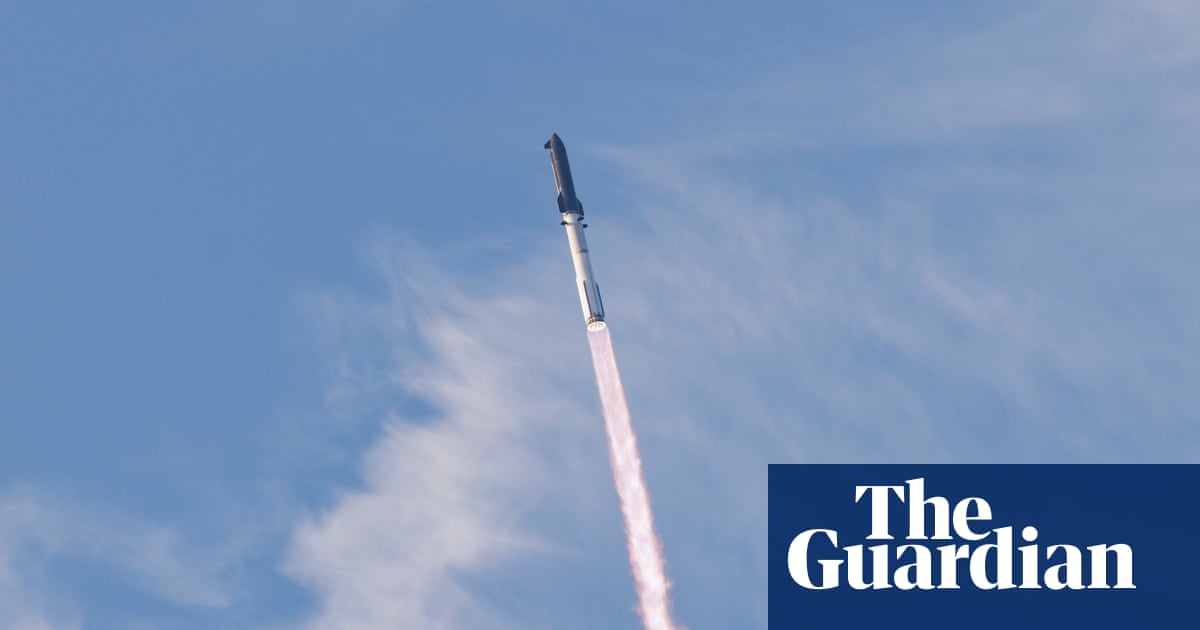
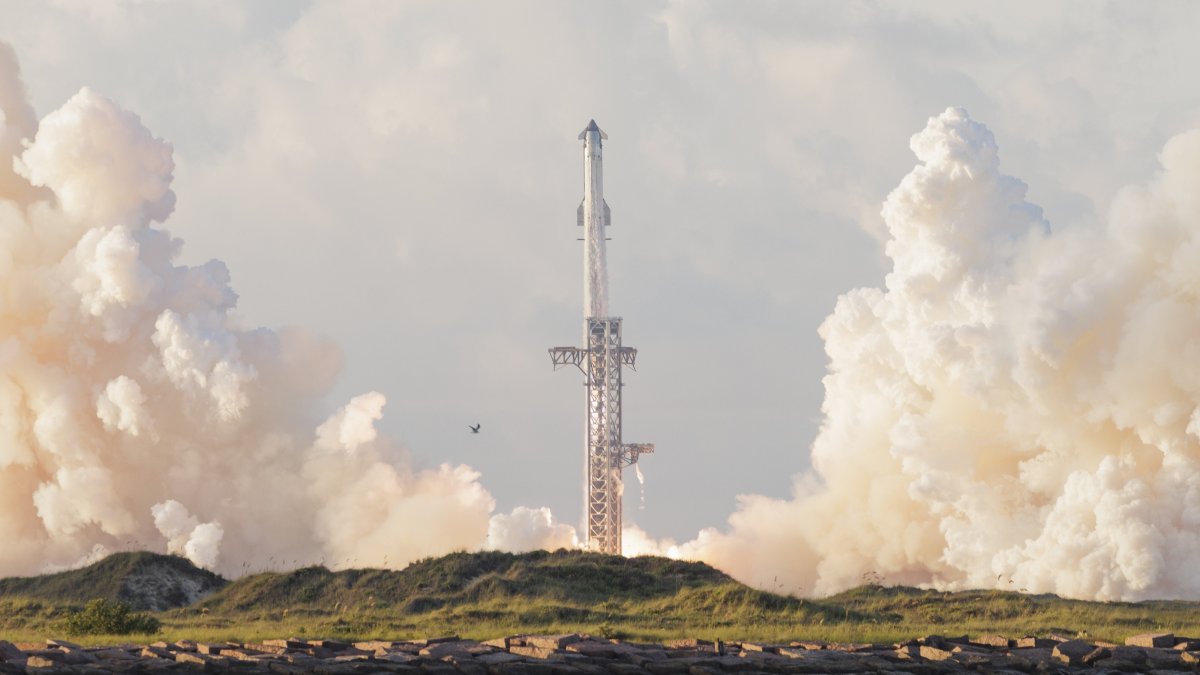
This renewed focus on Boeing unfolds against a shifting backdrop in commercial rocketry. SpaceX launched its massive Starship rocket on its 14th test flight from its Texas launch complex on Monday. For the first time, the vehicle successfully reached Earth's orbit despite a mid-flight engine shutdown that initially prompted mission controllers to question whether the maneuver could proceed. SpaceX spokesperson Dan Huot initially announced that the team had called off the orbit attempt, only to reverse course minutes later when engineers confirmed a viable trajectory.
Once in orbit at an altitude of approximately 170 miles, Starship deployed 26 next-generation V3 Starlink satellites. These upgraded units are capable of handling ten times more data than preceding V2 mini-satellites, generating substantial projected revenue for the broadband network. However, owing to the earlier engine anomaly, SpaceX truncated the planned 10-hour, six-orbit mission to three hours. The uncrewed vehicle subsequently initiated a deorbit burn and re-entered the atmosphere, ultimately erupting in a ball of flames upon hitting the water in the Pacific Ocean.
Industry observers have noted the contrasting trajectories of the two aerospace giants tasked with supplying NASA's human spaceflight needs. While SpaceX moves closer to routine operations for heavy payloads and upcoming lunar expeditions under the Artemis program, Boeing works to overhaul a capsule system whose future is tightly bound to NASA's dual-provider strategy. With the aging International Space Station scheduled to be deorbited by 2031, reliable commercial transport remains a pressing requirement for upcoming private orbital outposts as well as lunar and Martian exploration.
| Spacecraft Program | Primary Contractor | Recent Milestone / Status | Next Major Planned Phase |
|---|---|---|---|
| Starliner | Boeing | Reclassified as a Type A mishap following stranded crew incident; extra NASA support announced | Cargo test flight in December; crewed flights targeted for later years |
| Starship | SpaceX | Achieved first successful Earth orbit on its 14th test flight on Monday, while deploying 26 Starlink V3 satellites | Routine satellite deployment and ongoing preparation for Artemis lunar missions |
As Boeing works through its extensive redesigns, space agency officials will monitor the December cargo launch closely to determine whether the Starliner program is finally moving past its troubled history.
How significant is this development?
Contribute your assessment to the aggregated reader sentiment ledger.
Frequently Asked Questions
Key questions answered in this reportWhat is the key development in: NASA ramps up support to get Boeing's astronaut capsule flying after Butch and Suni fiasco?
NASA is ramping up financial and engineering support for Boeing's Starliner capsule following safety setbacks, as SpaceX achieves a major orbital milestone.
Why is this Business development significant for the UK?
This report covers critical events in our Business beat. Independent reporting monitors related UK statements, regulatory shifts, and public responses as further verified details emerge.
How was this reporting corroborated and verified?
Newsarchy UK compiles and cross-references reporting from primary reporting from dailysabah.com and cross-checked wire reports. All coverage adheres to published editorial standards.
When was this report published?
This briefing was published on September 28, 2026 and is permanently cataloged in the Newsarchy UK Business archives.

