SpaceX Starship caught by launch tower arms after orbital flight
SpaceX successfully caught its Starship upper stage using launch tower arms following an orbital flight, though the lower booster was lost.

SpaceX achieved a historic first when its Starship spacecraft was caught in midair by launch tower arms after an orbital flight, marking a major breakthrough for the company's reusable rocket ambitions.
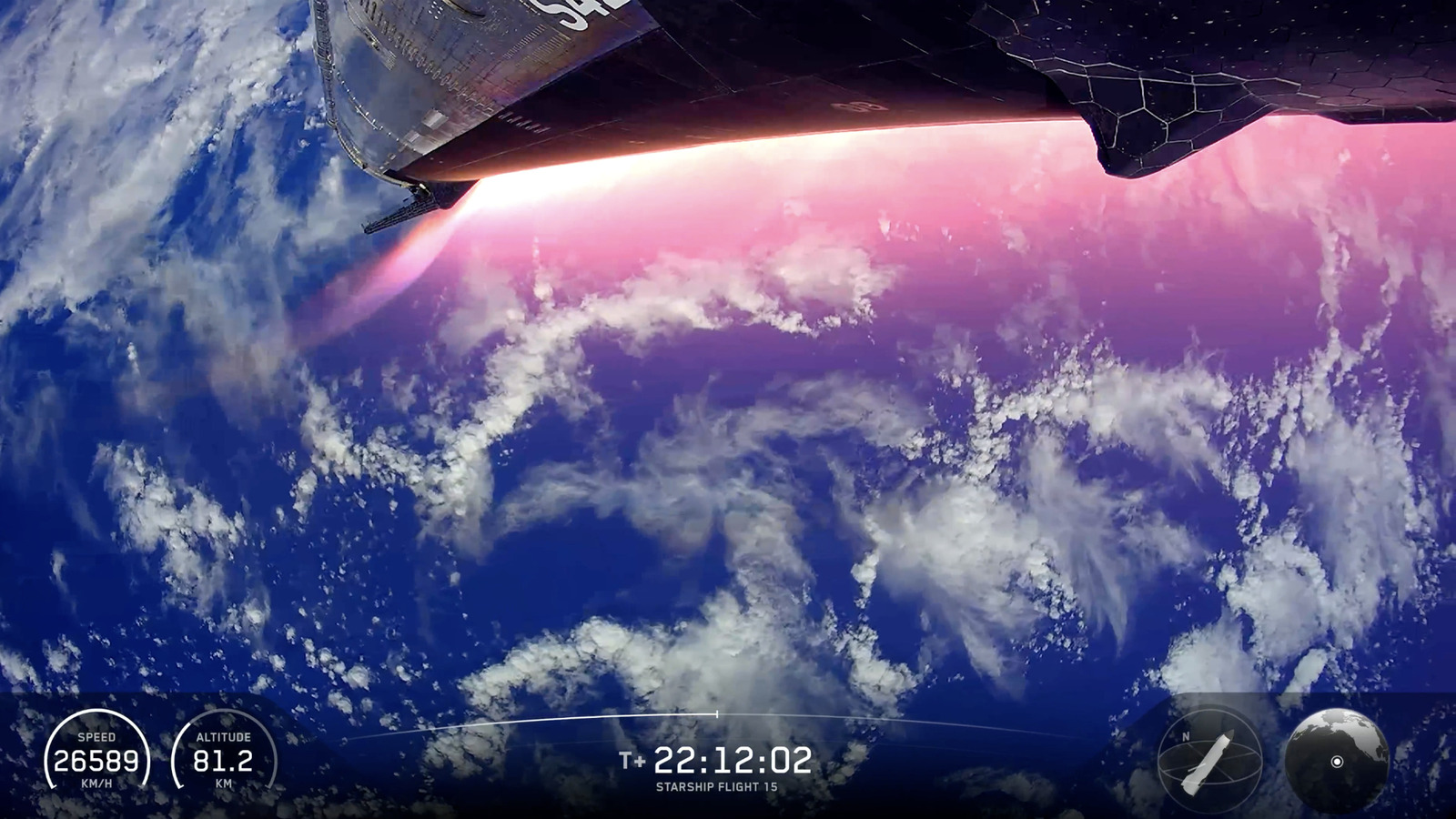
The stainless-steel spacecraft returned to Earth on Saturday after completing 14 orbits over roughly 22 hours, according to reports by Yahoo Tech and CBC News. The vehicle lowered itself upright at the Texas launch pad, where giant mechanical "chopstick" arms clasped onto it while it hovered. Elon Musk's flight control team watched as the uncrewed upper-stage vessel executed the unprecedented maneuver, which successfully demonstrated the full reusability of the upper stage intended for future moon and Mars missions.
Media additions
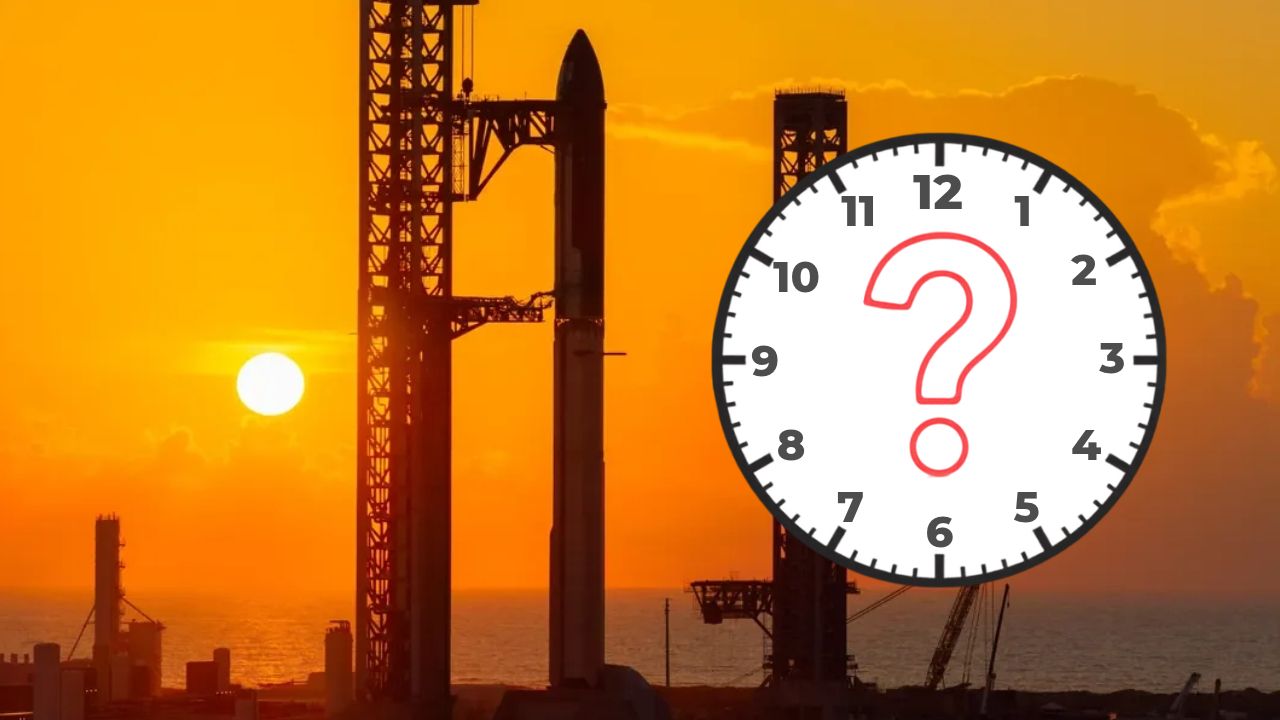
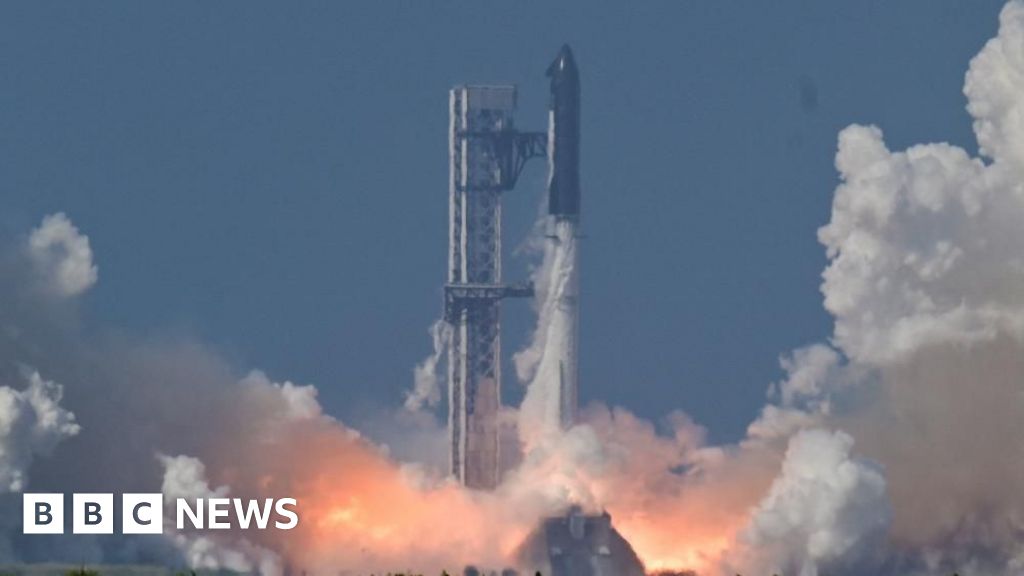
However, the milestone came with a caveat. The mission fell short of a desired double catch after the lower-stage Super Heavy booster exploded shortly after liftoff, according to Yahoo Tech. SpaceX officials stated that the booster's engines stopped firing too soon on the way back down, and its guidance system automatically initiated a watery detour and self-destruction over the Gulf of Mexico after sensing an improper position. Engineers are still investigating the cause.
The mission originated from SpaceX's Starbase in South Texas, where the 407-foot (124-meter) behemoth launched on Friday. The upper stage soared into orbit and successfully released 26 advanced Starlink satellites during its journey, operating at an altitude of roughly 165 miles (265 kilometers) up, as detailed by Yahoo Tech and CBS News. NASA welcomed the successful upper-stage catch, as the space agency relies on Starship to land Artemis astronauts on the lunar surface later this decade.
| Mission Phase / Parameter | Previous Orbital Test Flight | Flight 15 (November 2026) |
|---|---|---|
| Orbits Completed | 1 to 2 laps | 14 laps |
| Mission Duration | Approximately 3 hours | Over 22 hours |
| Upper Stage Recovery | Ocean splashdown | Midair launch tower catch |
| Booster Recovery | Water landing / Hard splashdown | Self-destruction over Gulf after guidance anomaly |
NASA continues to collaborate closely with SpaceX on the development of the Starship Human Landing System (HLS). According to NASA (.gov), engineers at NASA's Ames Research Center conducted advanced wind tunnel tests on a scale model of the Super Heavy Version 3 rocket booster to understand the extreme aerodynamic forces experienced during atmospheric re-entry. These tests utilized both transonic and supersonic wind tunnels to measure steady and unsteady air flows, providing critical data to refine flight guidance software.
Despite the triumph of the tower catch, challenges remain for the broader program. As Cbc News reported, Starship's heat-shield tiles are not yet fully reusable and require further engineering to minimize refurbishment between flights. Furthermore, industry analysts and aerospace observers cited by CBS News remain skeptical about whether SpaceX can meet NASA's target date for crewed lunar landings, given the complex requirement for multiple orbital refueling tanker flights.
Looking ahead, operations are expanding. SpaceX expects to begin launching Starships from Florida's Kennedy Space Center within the next few months, serving as a starting point for upcoming Artemis mission architectures.
The successful tower catch represents a watershed moment for the company's decade-long effort to develop fully reusable transportation systems. Musk has long maintained that airline-like operational tempos are essential for scaling flight frequencies and reducing the economic barriers associated with deep-Space exploration. By attempting to recover both the massive booster and the orbital spacecraft simultaneously, SpaceX sought to validate the complete round-trip capabilities of its megarocket infrastructure.
Yet, the loss of the booster underscores the margins for error inherent in such ambitious test campaigns. The Super Heavy booster relies on dozens of methane-burning Raptor engines to lift the massive assembly off the pad before attempting its precision boost-back burn. When anomalous readings are detected by the vehicle's onboard computers, autonomous safety protocols immediately intervene to safeguard populated coastal regions and maritime zones.
Engineers at Starbase are expected to comb through telemetry data recovered from both the failed booster recovery and the triumphant upper-stage capture. These insights will directly feed into vehicle design modifications ahead of subsequent test flights scheduled for the coming months.
Meanwhile, NASA's planning for the Artemis campaign depends heavily on the maturation of these technologies. Commercial partnerships with companies like SpaceX and Blue Origin form the backbone of the agency's strategy to establish a sustainable human presence on the Moon. Rigorous test programs, including ongoing aerodynamic analysis and uncrewed proximity operations in Earth orbit, remain mandatory steps before any human crew steps foot onto a lunar lander.
As preparations ramp up across test sites in Texas and Florida, the aerospace industry watches closely to see how quickly SpaceX can transition from experimental flight testing to routine operational cadence. The timeline toward crewed lunar landings remains tight, with agency planners and commercial stakeholders navigating complex technical hurdles on the path back to the lunar surface.