Nats air traffic control failure causes days of UK flight disruption
A technical fault in the National Air Traffic Service flight processing system caused widespread travel chaos across the UK, grounding flights.
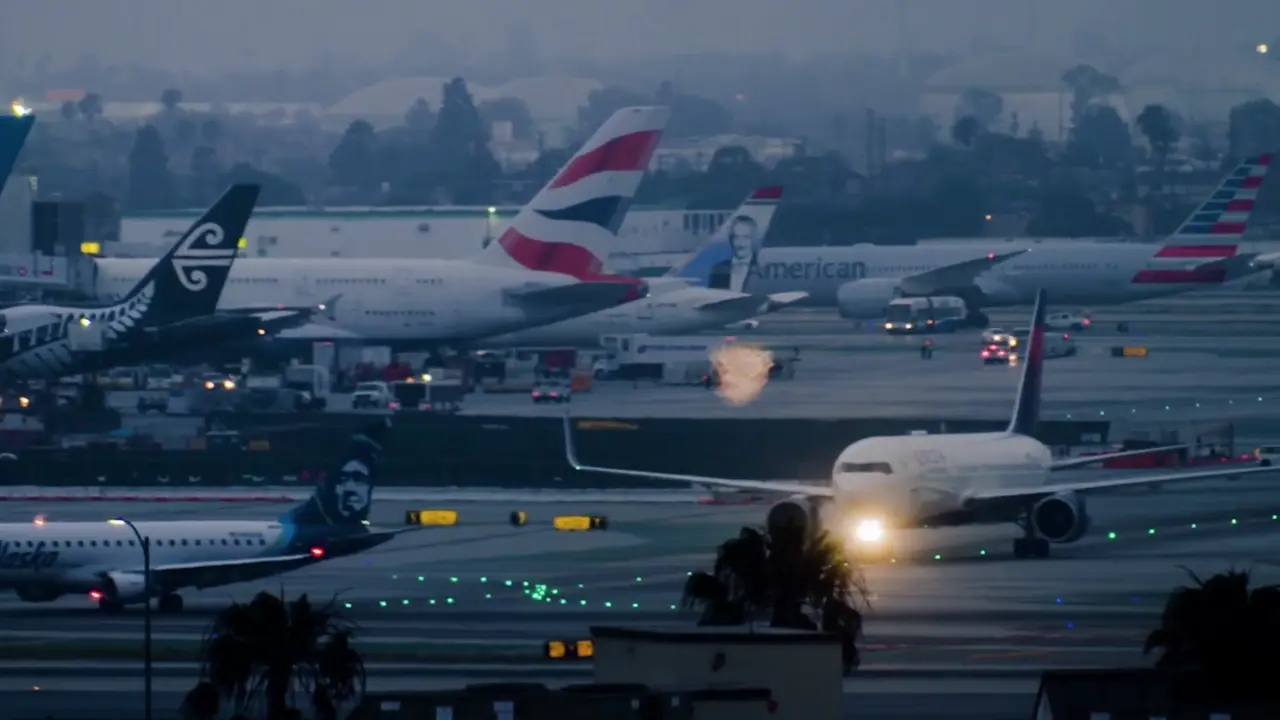
- Core Development: A technical fault in the National Air Traffic Service flight processing system caused widespread travel chaos across the UK, grounding flights.
- Beat Context: Categorized under Business with independent corroboration.
- Reporting Depth: 3 minute analytical read synthesized from verified newsroom sources.
A technical failure within the National Air Traffic Service flight processing system triggered widespread travel chaos across the United Kingdom, grounding flights and leaving thousands of passengers stranded at major aviation hubs. The disruption, which began on Tuesday, 8 September 2026, forced airports nationwide to impose strict departure restrictions and suspend arrivals as engineers worked to address the computer problem. Although technicians successfully implemented a fix later that afternoon, aviation authorities and airlines warned that the complex recovery process would create knock-on effects lasting for days.
The operational breakdown began shortly after midday, prompting The Standard to report that more than 1,000 flights were cancelled or delayed during the height of the mayhem. Airports such as London Heathrow and Gatwick bore the brunt of the closures, while facilities at Manchester, Birmingham, Stansted, Luton, and Bristol also experienced severe disruptions. According to Yahoo News UK, flight tracking data showed that 1,300 flights were affected on the first day alone, trapping tens of thousands of travellers in terminal queues or on stationary aircraft tarmac for hours.
Media additions

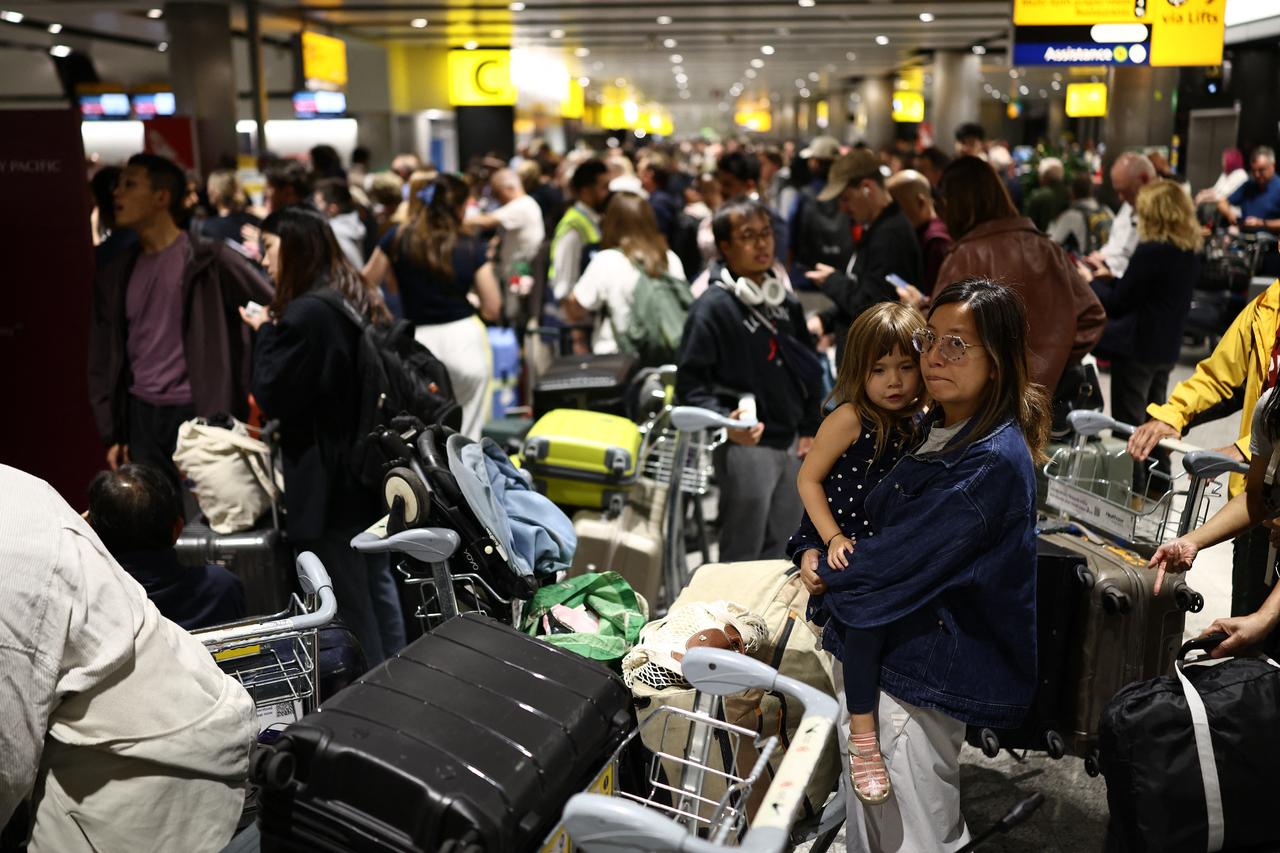

Passengers recounted grueling experiences trying to navigate the terminals. Josie Donoghue described her ordeal after disembarking a grounded flight at Gatwick, telling Turkiyetoday that moving through the airport felt like trying to get out of Alcatraz
. Other travellers faced unexpected diversions to distant airports including Edinburgh and Cardiff, while international connections were severed as European airspace co-ordinators held incoming flights abroad, according to The Guardian.
Major carriers scrambled to rebook passengers and rebuild flight schedules overnight. British Airways cancelled or diverted more than 100 flights, warning customers that out-of-position aircraft and flight crews would heavily impact operations. Budget carrier Ryanair reported that more than 65,000 of its passengers faced disruption, while EasyJet noted that delays rippled across its entire European network.
| Airport | Operations Impacted | Reported Disruptions |
|---|---|---|
| London Heathrow | Highest volume of cancellations | Arrivals suspended temporarily; hundreds of flights cancelled or delayed |
| London Gatwick | Extensive delays and diversions | Significant queues, missed connections, and terminal overcrowding |
| Manchester | Regional departures and arrivals affected | Inbound and outbound services cancelled or severely held |
| Birmingham | South airspace restrictions | Departures temporarily halted before phased resumption |
Political and industrial fallout quickly followed the technical failure. Transport Secretary Heidi Alexander announced on social media that she was seeking assurances that lessons would be learned and that critical aviation infrastructure was up to the job, as reported by Lbc. Alexander held a high-level meeting with Nats chief executive Martin Rolfe to demand answers regarding the system crash. Rolfe confirmed to Yahoo News UK that cyber crime had been ruled out as the cause of the failure.
Pressure mounted on leadership from commercial airlines following the incident, which marked the third major air traffic control disruption in recent years. Ryanair executives renewed fierce demands for Rolfe's resignation, arguing that passengers should not continue to suffer from repeated management failures. Wizz Air representatives similarly condemned the provider as unfit for purpose.
Passengers seeking compensation or alternative travel arrangements were advised to consult consumer guidance provided by the Association of British Travel Agents (ABTA). While airlines bear a legal obligation to provide care, meals, and alternative routing under UK law, compensation for extraordinary circumstances such as air traffic control faults remains restricted.
What to Watch Next
- Transport Secretary Heidi Alexander is scheduled to address members of Parliament in the House of Commons during the second reading of the Civil Aviation Bill.
- Nats engineers and aviation regulators will conduct a comprehensive investigation into the flight processing system failure.
- Airlines expect residual schedule normalization to continue through the weekend as displaced aircraft and flight crews return to their assigned rotations.
How significant is this development?
Contribute your assessment to the aggregated reader sentiment ledger.
Frequently Asked Questions
Key questions answered in this reportWhat is the key development in: Nats air traffic control failure causes days of UK flight disruption?
A technical fault in the National Air Traffic Service flight processing system caused widespread travel chaos across the UK, grounding flights.
Why is this Business development significant for the UK?
This report covers critical events in our Business beat. Independent reporting monitors related UK statements, regulatory shifts, and public responses as further verified details emerge.
How was this reporting corroborated and verified?
Newsarchy UK compiles and cross-references reporting from primary reporting from BBC and cross-checked wire reports. All coverage adheres to published editorial standards.
When was this report published?
This briefing was published on September 9, 2026 and is permanently cataloged in the Newsarchy UK Business archives.