New York Times, Daily News Sue Brave Browser Over AI Content Scraping
Major news publishers including the New York Times, New York Daily News, Chicago Tribune, and Orlando Sentinel have filed separate lawsuits against Brave Software.

- Core Development: Major news publishers including the New York Times, New York Daily News, Chicago Tribune, and Orlando Sentinel have filed separate lawsuits against Brave Software.
- Beat Context: Categorized under Business with independent corroboration.
- Reporting Depth: 6 minute analytical read synthesized from verified newsroom sources.
On Monday, the New York Times and the New York Daily News filed separate suits in the U.S. District Court for the Southern District of New York against Brave Software. The papers allege that the privacy‑focused browser copied their journalism for artificial‑intelligence training and enabled users to read subscription content without paying. The lawsuits, filed on 2 November 2026, add a new chapter to the growing legal clash over copyrighted news material used by generative‑AI firms.
The New York Times’ complaint, identified as No. 1:26‑cv‑09549, alleges that Brave “scraped and distributed the paper’s content to its users and other AI companies” and that the browser’s “Paywall blocker” lets people read pay‑walled articles without authorising access. Hoodline reports that the Times has repeatedly asked Brave to stop the alleged conduct and that the complaint cites five legal claims, including direct, contributory and vicarious infringement.
Media additions
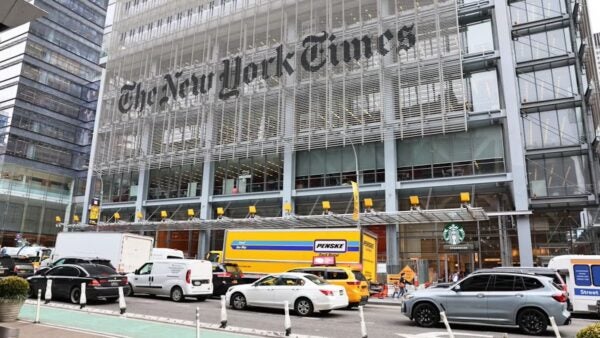


Hours later, the New York Daily News, Chicago Tribune and Orlando Sentinel filed a separate suit, also in Manhattan federal court. The complaint, No. 1:26‑cv‑09554, parallels the Times’ allegations and adds that Brave’s “Ask Brave” AI feature returns passages from the papers word for word and produces detailed summaries of their reporting. It also accuses the browser of selling access to its Brave Index—a collection of more than 30 billion web pages—to AI developers. The plaintiffs name Anthropic, Perplexity, Mistral, xAI and Cohere as users of the API.
Brave has not yet provided an attorney’s name. In a statement to The Next Web, Steven Lieberman, counsel for the three Alden‑owned papers, said:
"AI giants are now desperate to avoid getting caught red-handed stealing news from publishers, so Brave Software is selling them a back door to the journalism they know they have no right to. Buying stolen goods secondhand doesn’t make them legitimate. Brave must be held responsible for laundering pirated reporting for the AI industry."
Steven Lieberman, attorney, via The Next Web
The Times’ spokesperson, Graham James, added:
"Brave has flouted established copyright law and ignored repeated requests by The Times to stop its infringing conduct."
Graham James, Times spokesperson, via The Verge
Brave’s own litigation record illustrates a longstanding dispute over web‑indexing practices. In March 2025 it sued News Corp seeking a declaration that its indexing was fair use; News Corp countersued in July 2025 accusing Brave of disguising its crawlers to evade publisher blocks and of supplying verbatim or near‑verbatim content to AI companies that compete with News Corp’s licensing business.
Both the Times and the Alden‑owned papers are not the only publishers pursuing legal action against AI firms. The Thewrap notes that the New York Times has also sued OpenAI and Microsoft, while the Chicago Tribune, Orlando Sentinel and New York Daily News have filed suits against OpenAI, Microsoft and other AI developers. These cases highlight a broader pattern of litigation in which news organisations accuse AI companies of using scraped content without payment or licensing.
Beyond the legal filings, the lawsuits raise questions about the economics of AI training data. The plaintiffs claim that AI companies that rely on large language models can train or ground their systems on copyrighted journalism without compensating the original creators, thereby reducing traffic and revenue for publishers. The Times and its allies point to a study cited in the complaint that AI crawlers generate 95.7 % less referral traffic than traditional Google search, underscoring the potential impact on ads and subscriptions. The Press Gazette tracker lists dozens of lawsuits by U.S. Local papers and major national outlets against OpenAI, Microsoft and other AI firms, all alleging similar concerns.
| Plaintiff | Defendant | Claims | AI Companies Named | Brave Revenue (2025) | Monthly Users |
|---|---|---|---|---|---|
| New York Times | Brave Software | Copyright infringement, DMCA circumvention, unjust enrichment | Anthropic, Perplexity, Mistral, xAI, Cohere | $100 million | 130 million |
| New York Daily News, Chicago Tribune, Orlando Sentinel | Brave Software | Direct, contributory, vicarious infringement, DMCA circumvention, unjust enrichment | Anthropic, Perplexity, Mistral, xAI, Cohere | $100 million | 130 million |
A timeline of the key filings and related actions helps place the lawsuits in context:
- March 2025 – Brave files a lawsuit against News Corp over its indexing practices.
- July 2025 – News Corp countersues Brave, alleging theft of copyrighted content.
- 2 November 2026 – New York Times files suit No. 1:26‑cv‑09549 in Manhattan.
- 2 November 2026 – New York Daily News, Chicago Tribune and Orlando Sentinel file suit No. 1:26‑cv‑09554.
Brave’s response to the lawsuits has been limited. In the wake of the filings, the company has not issued a public statement. The company also highlighted that it blocks publisher ads by default while selling its own advertising, a practice the plaintiffs claim allows Brave to profit from journalism without sharing revenue.
The legal disputes are unfolding against a backdrop of rapidly evolving AI technology. Generative‑AI models such as Anthropic’s Claude 2 and Perplexity’s chatbot rely on vast datasets that include news articles. Publishers argue that these models are not “transformative” because they reproduce content verbatim or near‑verbatim, thereby infringing copyright. The courts will now decide whether Brave’s activities constitute infringement or fall under fair use, and whether its circumvention of paywalls violates the Digital Millennium Copyright Act.
For the publishing industry, the outcome could reshape the business model for online journalism. A ruling in favour of the plaintiffs might force AI developers to obtain licenses or develop new methods of data collection. Conversely, a decision that favors Brave could embolden other tech firms to continue large‑scale scraping of news sites. Either way, the lawsuits highlight the tension between the open‑web philosophy that underpins browsers like Brave and the commercial realities of sustaining quality news production.
Readers can follow the case as it progresses through the federal court system. The lawsuits were filed in the Southern District of New York, and both parties have requested jury trials. The next court dates are yet to be set, and the suits may influence future litigation across the industry.
For further coverage on the business implications of these lawsuits, visit the Business section of Newsarchy UK.
How significant is this development?
Contribute your assessment to the aggregated reader sentiment ledger.
Frequently Asked Questions
Key questions answered in this reportWhat is the key development in: New York Times, Daily News Sue Brave Browser Over AI Content Scraping?
Major news publishers including the New York Times, New York Daily News, Chicago Tribune, and Orlando Sentinel have filed separate lawsuits against Brave Software.
Why is this Business development significant for the UK?
This report covers critical events in our Business beat. Independent reporting monitors related UK statements, regulatory shifts, and public responses as further verified details emerge.
How was this reporting corroborated and verified?
Newsarchy UK compiles and cross-references reporting from primary reporting from Press Gazette and cross-checked wire reports. All coverage adheres to published editorial standards.
When was this report published?
This briefing was published on November 2, 2026 and is permanently cataloged in the Newsarchy UK Business archives.