Oil prices jump after U.S.-Iran talks collapse, erasing declines
Oil prices have increased following reports of suspended U.S.-Iran communications and ongoing threats to the Strait of Hormuz. Analysts warn that declining global stockpiles could lead to further price volatility.

- Core Development: Oil prices have increased following reports of suspended U.S.-Iran communications and ongoing threats to the Strait of Hormuz. Analysts warn that declining global stockpiles could lead to further price volatility.
- Beat Context: Categorized under Business with independent corroboration.
- Reporting Depth: 3 minute analytical read synthesized from verified newsroom sources.
The energy market remains caught in a cycle of extreme volatility as shifting reports regarding the status of U.S.-Iran negotiations dictate global crude prices. The latest disruption occurred Monday, when oil prices surged following reports from Iranian state-aligned media that Tehran had suspended communications with the United States. This move was purportedly taken to protest the expansion of military operations in Lebanon, effectively erasing the downward trend that had characterized the market during a previous period of guarded diplomatic optimism.
At the center of this instability is the Strait of Hormuz, a critical maritime chokepoint through which approximately one-fifth of the world’s oil and liquefied natural gas supplies normally pass. While commercial traffic through the waterway has been heavily disrupted since late February, Iranian authorities have remained vocal about their intent. The government in Tehran has expressed determination to consider a complete closure of the strait and the activation of additional fronts, including the Bab el Mandeb Strait off the coast of Yemen. These threats have maintained consistent upward pressure on energy costs.
Media additions

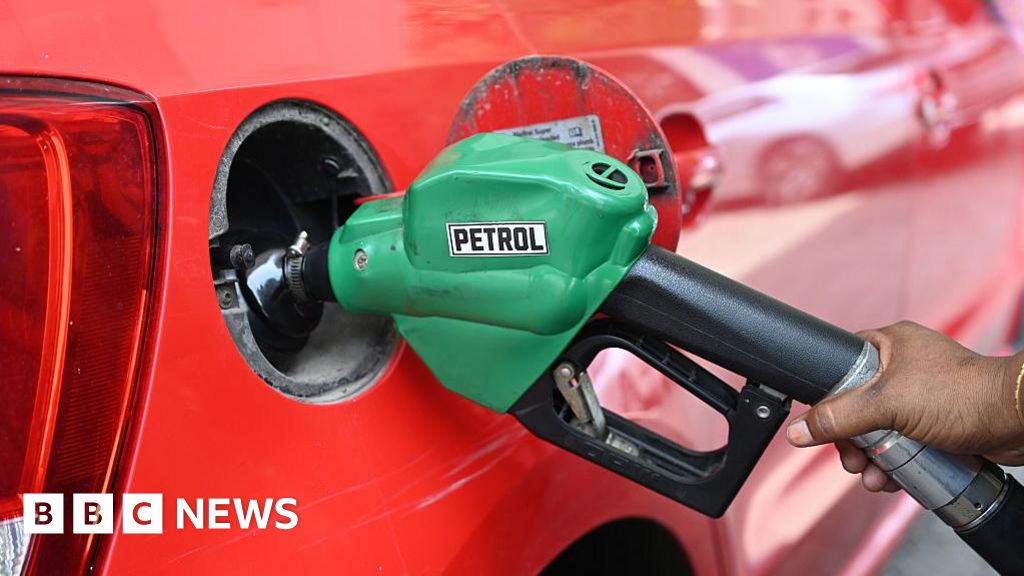
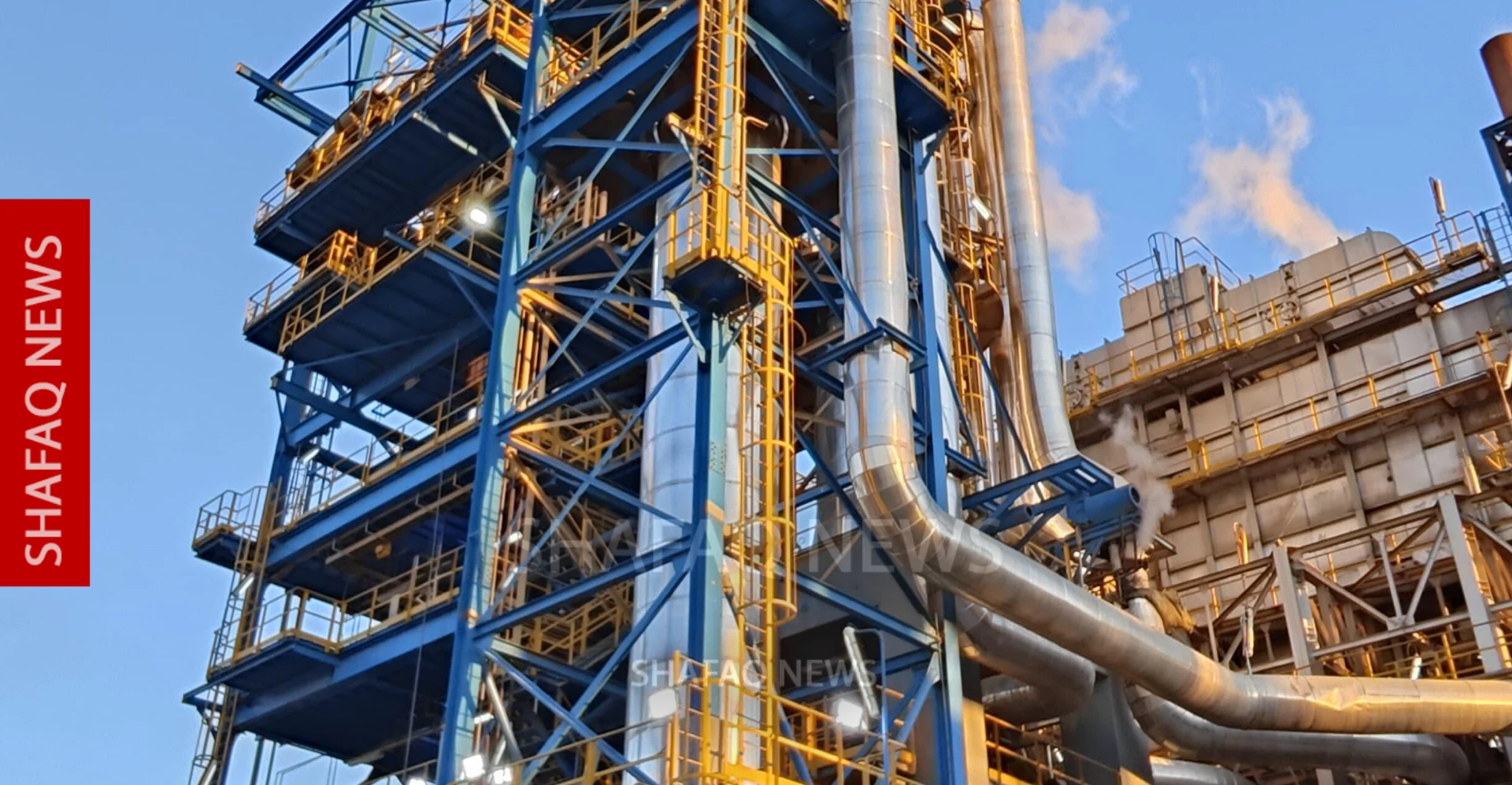
Market benchmarks reflected this uncertainty as U.S. Crude closed at $92.16 per barrel, while international Brent crude reached $94.98 per barrel. These price points represent a return to levels observed in mid-May, before a two-week decline prompted by suggestions from officials that a diplomatic breakthrough was within reach. The logistical reality of the conflict continues to weigh on the global energy sector, as analysts at HSBC have noted that while the market has demonstrated resilience by redirecting trade routes and utilizing existing stockpiles, these buffers are finite.
"The longer the Strait of Hormuz remains closed, the more stocks will be run down and at some point they may reach critical functional lows, which could see sharper (non-linear) price rises and genuine shortages."
HSBC strategists via NBC News
Diplomatic messaging has proven inconsistent, complicating the market outlook. President Donald Trump has vacillated between stating that it is acceptable if Iran chooses not to negotiate and asserting via social media that discussions are continuing at a rapid pace
. While reports suggest negotiators have utilized mediators to exchange texts, official Iranian sources have distanced themselves from claims that a final agreement is imminent. Secretary of State Marco Rubio has described the negotiations as a work in progress
during discussions in Delhi, acknowledging that the situation remains subject to the dynamics of a broader conflict now entering its fourth month.
Shipping experts from Vespucci Maritime emphasize that even in an optimistic scenario where a diplomatic solution is reached, the normalization of the strait would require months of extensive work. This process would necessarily include the clearing of potential sea mines and the complex coordination required to restart commercial traffic. Furthermore, shipping lines are expected to remain cautious about re-entering the region, fearing that conditions could deteriorate again.
The broader economic impact of these tensions remains profound. Retail gasoline prices, despite recent fluctuations, remain significantly higher than their pre-war averages. Government bond yields, which influence consumer borrowing rates, have also tracked these energy price movements, reacting to reports of potential escalations or diplomatic lulls. While global stock markets have occasionally rallied on hope for a deal, such gains remain vulnerable to the conflicting signals emanating from both Washington and Tehran. As the conflict proceeds, the market continues to balance the high inventories accumulated before the war against the reality of prolonged logistical bottlenecks.
Until then, the focus remains on the Strait of Hormuz, where the interplay of naval blockades, potential minefields, and ongoing indirect talks will likely continue to drive price action. Analysts warn that should these diplomatic efforts fail to yield a durable peace, the market may see further supply shortfalls and non-linear price volatility as existing stocks reach critical functional lows.
How significant is this development?
Contribute your assessment to the aggregated reader sentiment ledger.
Frequently Asked Questions
Key questions answered in this reportWhat is the key development in: Oil prices jump after U.S.-Iran talks collapse, erasing declines?
Oil prices have increased following reports of suspended U.S.-Iran communications and ongoing threats to the Strait of Hormuz. Analysts warn that declining global stockpiles could lead to further price volatility.
Why is this Business development significant for the UK?
This report covers critical events in our Business beat. Independent reporting monitors related UK statements, regulatory shifts, and public responses as further verified details emerge.
How was this reporting corroborated and verified?
Newsarchy UK compiles and cross-references reporting from primary reporting from bbc.com and cross-checked wire reports. All coverage adheres to published editorial standards.
When was this report published?
This briefing was published on July 2, 2026 and is permanently cataloged in the Newsarchy UK Business archives.