Trump orders Pentagon to scale back joint military drills with South Korea
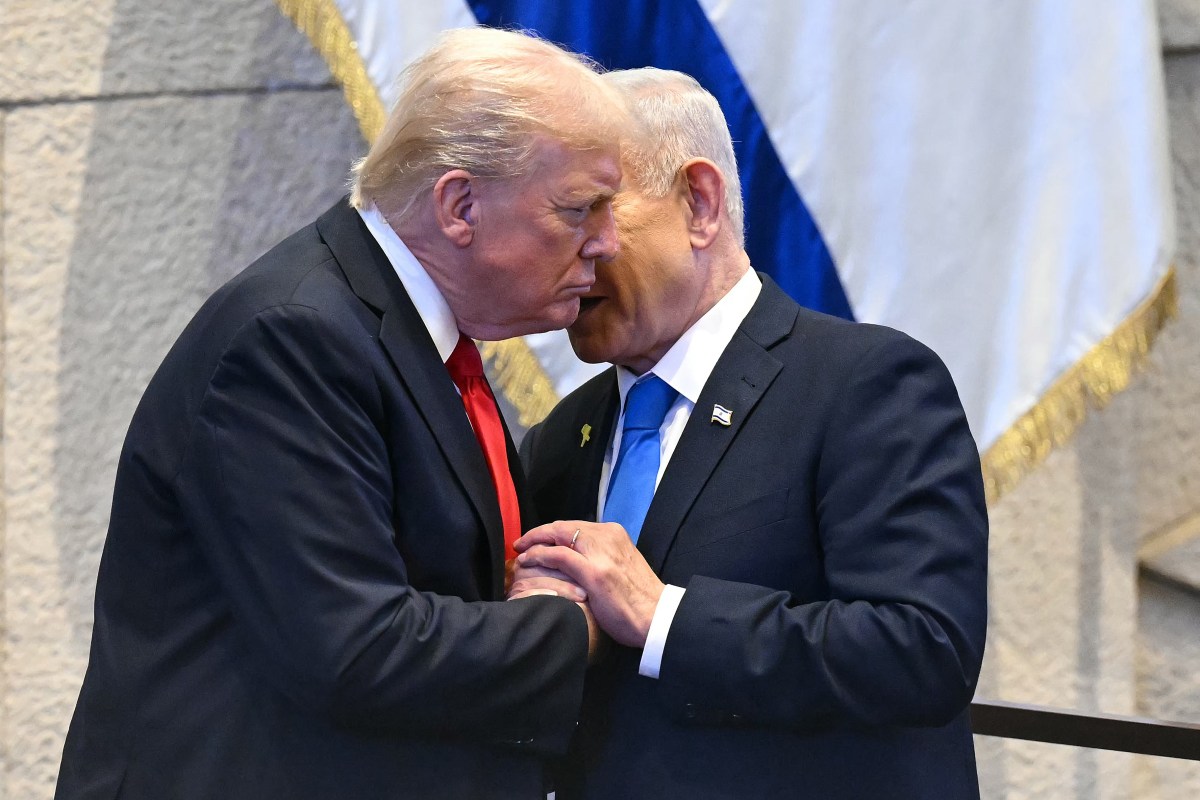
President Donald Trump ordered the Pentagon to significantly scale back upcoming joint military exercises with South Korea, citing his relationship with Kim Jong-un and grievances over Seoul's stance on Iran.
- Core Development: President Donald Trump ordered the Pentagon to significantly scale back upcoming joint military exercises with South Korea, citing his relationship with Kim Jong-un and grievances over Seoul's stance on Iran.
- Beat Context: Categorized under World with independent corroboration.
- Reporting Depth: 4 minute analytical read synthesized from verified newsroom sources.
President Donald Trump ordered the Pentagon on Sunday to significantly scale back upcoming joint military exercises with South Korea, citing his personal relationship with North Korean leader Kim Jong-un and grievances over Seoul's stance on Iran, according to AP News. The announcement arrived via social media at 5:04 p.m. Sunday Eastern time — corresponding to 6:04 a.m. Monday Korean Standard Time — as the Ulchi Freedom Shield exercises were set to open, running through August 27, 2026.
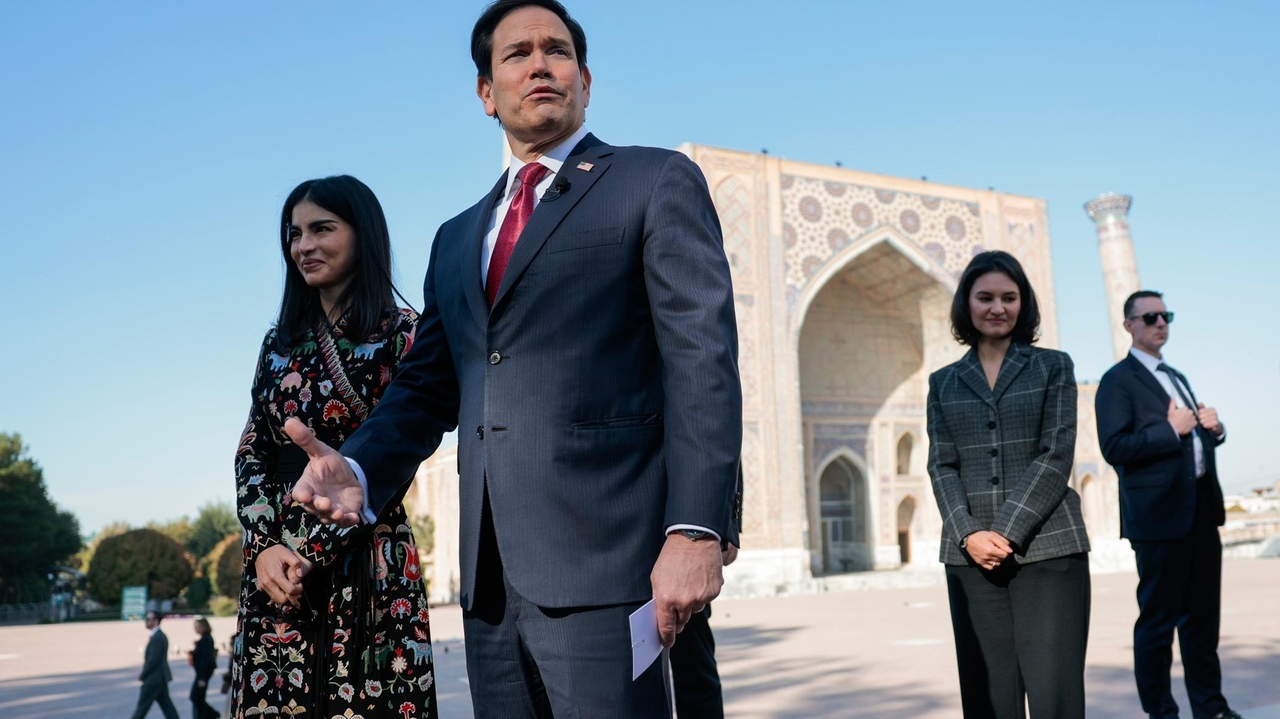
The directive represents a sharp reversal from earlier positions within the administration. Defence Secretary Pete Hegseth had praised Seoul just months prior at the Pentagon for increasing defense spending and assuming primary responsibility for the security of the Korean Peninsula, lauding it as an example of alliance burden-sharing that all of America's partners should follow. Yet Trump argued on his Truth Social platform that the drills are very expensive and send a totally inappropriate and hostile signal to Pyongyang, which he claimed has been unthreatening and respectful during his time in the White House.
Media additions
"Knowing that Chairman Kim Jong-un and I have a very good relationship, I am not happy about the fact that, for a long time, America has agreed to participate in joint military exercises with South Korea,"
Donald Trump, U.S. President, via Herald Corp
Trump added that because it was too late to cancel the maneuvers entirely, he instructed the defense secretary to substantially reduce their size. Trump also claimed he asked South Korea’s president, Lee Jae-myung, whether Seoul would be willing to join efforts to denuclearize Iran, to which Seoul allegedly responded with No thanks!
according to AP News and Herald Corp reporting.
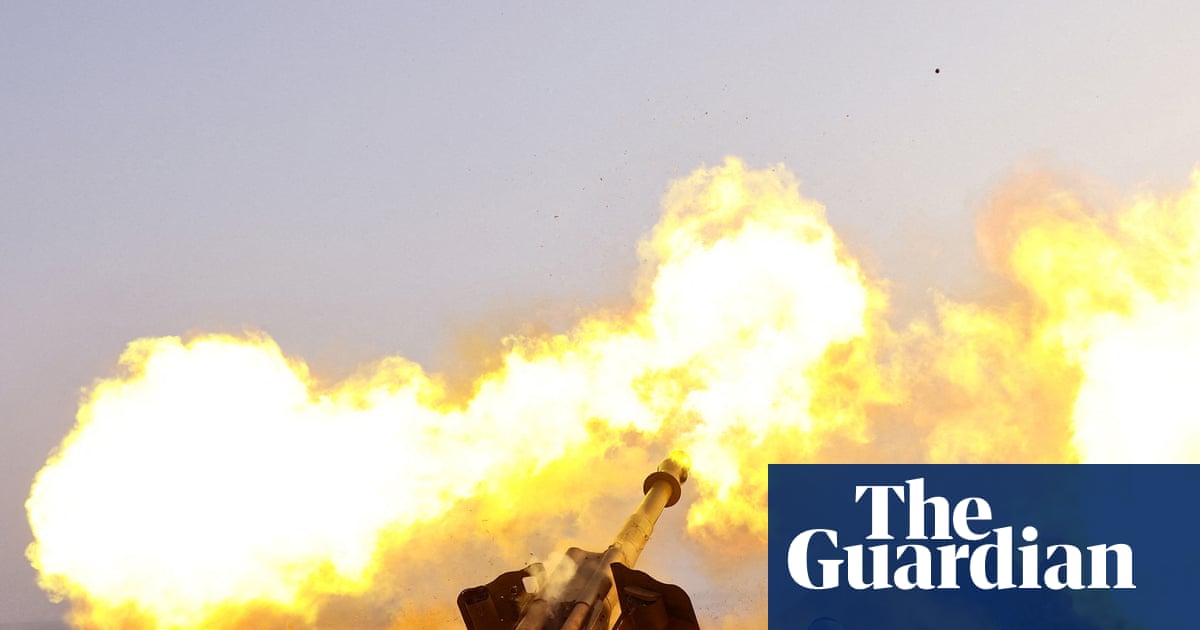
The decision immediately alarmed military planners and lawmakers. According to The Guardian, the exercises were designed to incorporate lessons drawn from North Korean troops gaining combat experience alongside Russian forces in the Ukraine war. More than 14,000 North Korean troops have fought alongside Russian forces in the Kursk region, and Ukraine's president, Volodymyr Zelenskyy, has warned that Russia is preparing to receive 30,000 more. U.S. And South Korean officials warned that Pyongyang's forces have adapted modern tactics, including drone operations, GPS disruption, and cyberattacks. Col Ryan Donald, public affairs director for the U.S.-led commands in South Korea, noted that training had evolved to account for these heightened capabilities. Lt Gen Scott Winter, deputy commander of the United Nations Command, similarly emphasized that North Korea's contemporary battlefield experience represents a serious threat environment. Retired Lt Gen Chun In-bum, who commanded South Korea's special forces, highlighted the importance of preparing in a timely manner for these new challenges, stating that the threat environment should not be taken lightly.
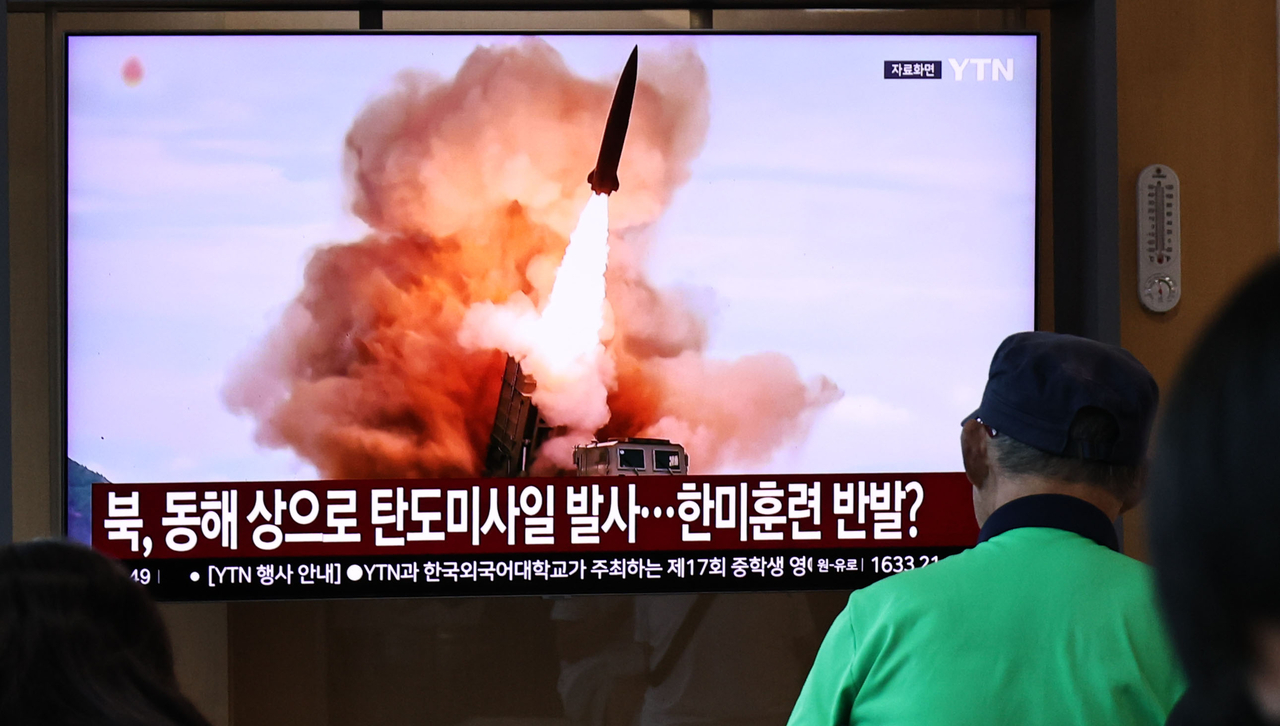
Democratic Sen. Mark Kelly, a former Navy pilot, criticized the directive, calling the reduction of joint exercises shortsighted and a mistake in a social media post. Meanwhile, North Korea has continuously condemned the maneuvers, with its foreign ministry labeling them a rehearsal for an aggressive war and threatening a new level of a deterrent. Pyongyang recently resumed ballistic missile testing ahead of the exercises, firing projectiles into the East Sea on August 6 and on Wednesday, in activities banned by the U.N. Experts note that North Korea has deepened military ties with Russia since signing a comprehensive strategic partnership pact in June 2024, providing troops, artillery ammunition, and ballistic missiles to support Moscow's war in Ukraine.
Key Details of the Exercise and Diplomatic Shift
- Exercise Scope: Ulchi Freedom Shield involves thousands of South Korean troops, U.S. Personnel, and representatives from member states of the United Nations Command, including 11 of the 18 member states.
- Stated Justification: Trump cited his personal bond with Kim Jong-un, the high costs of the exercises, and alleged South Korean reluctance to support U.S. Policy toward Iran.
- Strategic Concerns: Observers warn that scaling back drills risks leaving allied forces unprepared for North Korea's updated combat tactics derived from the Ukraine war.
Following the announcement, South Korea's defense ministry stated that the joint drills would proceed as previously notified and scheduled, while awaiting further clarification. Observers are now watching whether the conciliatory message toward Pyongyang will successfully renew U.S.–North Korea dialogue for the first time in eight years, following the 2018 Singapore summit, and whether the Tumen river road bridge expected to open in September will alter regional logistics.
How significant is this development?
Contribute your assessment to the aggregated reader sentiment ledger.
Frequently Asked Questions
Key questions answered in this reportWhat is the key development in: Trump orders Pentagon to scale back joint military drills with South Korea?
President Donald Trump ordered the Pentagon to significantly scale back upcoming joint military exercises with South Korea, citing his relationship with Kim Jong-un and grievances over Seoul's stance on Iran.
Why is this World development significant for the UK?
This report covers critical events in our World beat. Independent reporting monitors related UK statements, regulatory shifts, and public responses as further verified details emerge.
How was this reporting corroborated and verified?
Newsarchy UK compiles and cross-references reporting from primary reporting from apnews.com and cross-checked wire reports. All coverage adheres to published editorial standards.
When was this report published?
This briefing was published on August 17, 2026 and is permanently cataloged in the Newsarchy UK World archives.