Petrol and diesel prices hold steady nationwide on July 1
India's state-run oil companies have maintained stable fuel prices despite volatile global crude trends. Meanwhile, Nayara Energy has reduced its prices.
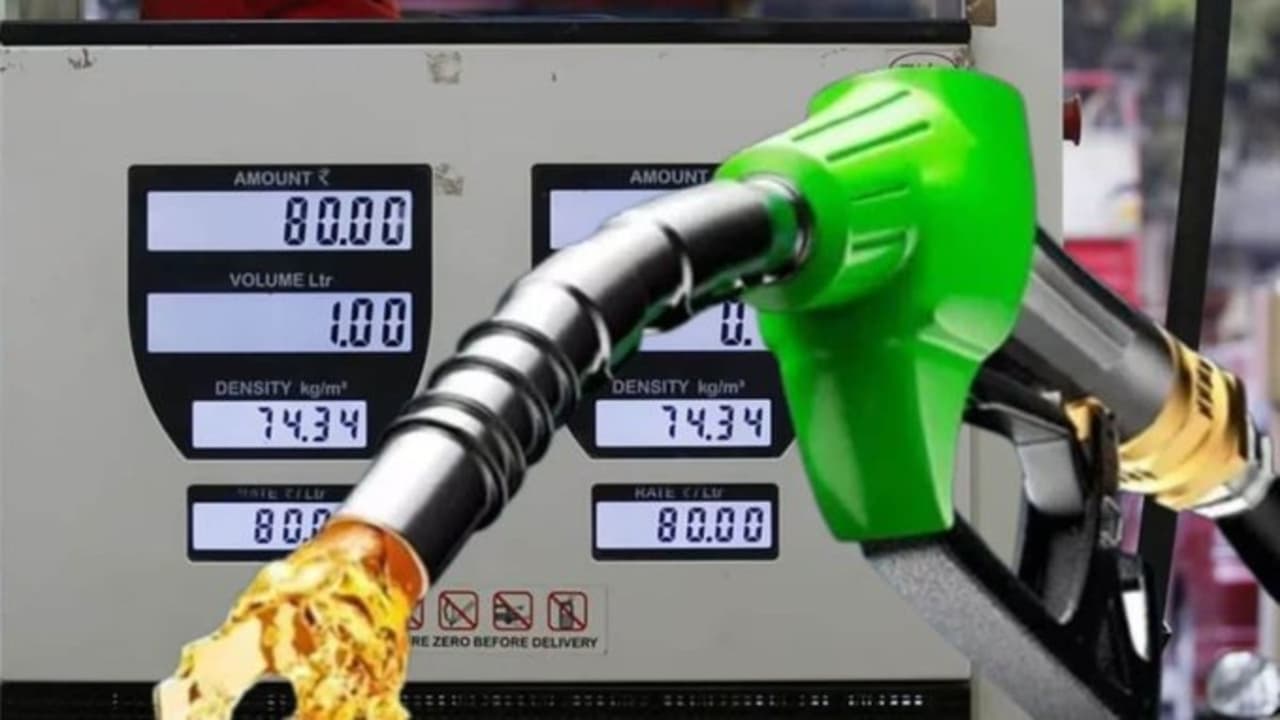
- Core Development: India's state-run oil companies have maintained stable fuel prices despite volatile global crude trends. Meanwhile, Nayara Energy has reduced its prices.
- Beat Context: Categorized under Business with independent corroboration.
- Reporting Depth: 3 minute analytical read synthesized from verified newsroom sources.
For motorists across India, pump prices remained largely steady on Wednesday, 1 July 2026, even as the international oil market fluctuated between brief spikes and renewed easing. While state-run retailers maintained their existing retail figures, divergence in local pricing emerged as some private entities initiated significant cuts.
The three state-run oil marketing companies—Indian Oil Corporation, Bharat Petroleum Corporation Ltd, and Hindustan Petroleum Corporation Ltd—left their retail rates unchanged at the start of the day. According to reports from the national network, petrol in Delhi is listed at ₹102.12 per litre and diesel at ₹95.20 per litre. In Mumbai, petrol stands at ₹111.21 per litre, with diesel at ₹97.83 per litre. Similar stability was observed in Kolkata and Chennai, though Hyderabad recorded petrol at ₹115.69 per litre and diesel at ₹103.82 per litre.
Media additions
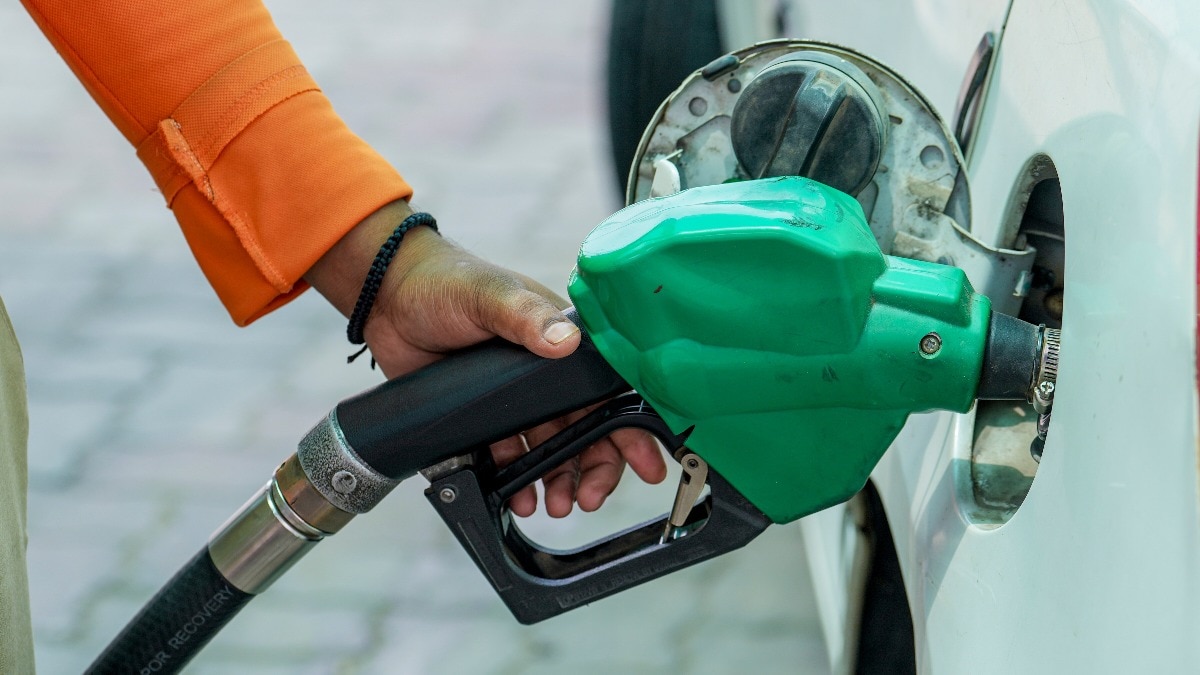


A notable exception to the nationwide price stagnation came from Nayara Energy, which announced a reduction of ₹5 per litre for petrol and ₹3 per litre for diesel across its network of more than 7,000 retail outlets. This move marks the first fuel price reduction by the private retailer in over two years, acting as a direct response to the recent retreat in global crude prices following the easing of geopolitical tensions in West Asia.
The underlying market remains sensitive to global developments. Brent crude settled at $73.45 per barrel, with futures trading above $73 per barrel on Wednesday. Traders continue to monitor the status of the Strait of Hormuz, a critical waterway through which a significant portion of global oil and gas flows. While traffic through the Strait is showing signs of recovery, uncertainty persists as U.S. Envoys, including Steve Witkoff, held talks in Doha. Iranian officials, however, indicated that no direct meetings between the two sides have been scheduled, clouding prospects for a lasting ceasefire.
Domestic pricing remains influenced by a range of variables, including the rupee-dollar exchange rate, which impacts the cost of imported crude. Additionally, the final pump price is heavily determined by central excise duty and state-level value-added tax (VAT). These local levies account for the notable price differences between cities, such as the increases recorded on Wednesday in Bengaluru, where petrol rose by ₹0.86 per litre, and Noida, where prices saw a smaller upward adjustment.
Policy shifts also shaped the sector at the start of July. The Centre revised export duties on petroleum products effective 1 July, increasing the levy on petrol exports to ₹4 per litre while reducing the duty on diesel to ₹8.5 per litre and aviation turbine fuel to ₹7.5 per litre. These adjustments to the Special Additional Excise Duty do not impact the domestic excise duty paid by consumers at the pump. Simultaneously, the government lifted emergency restrictions on bulk fuel purchases for commercial and industrial users.
Fuel prices have not seen a broad-based revision since 25 May. While some brokerages suggest that under-recoveries have narrowed, the current price freeze suggests that state-run retailers are opting to maintain their existing marketing margins. Motorists are advised that as retail rates are reviewed daily, local prices may continue to vary based on state-specific taxation policies and transportation costs.
How significant is this development?
Contribute your assessment to the aggregated reader sentiment ledger.
Frequently Asked Questions
Key questions answered in this reportWhat is the key development in: Petrol and diesel prices hold steady nationwide on July 1?
India's state-run oil companies have maintained stable fuel prices despite volatile global crude trends. Meanwhile, Nayara Energy has reduced its prices.
Why is this Business development significant for the UK?
This report covers critical events in our Business beat. Independent reporting monitors related UK statements, regulatory shifts, and public responses as further verified details emerge.
How was this reporting corroborated and verified?
Newsarchy UK compiles and cross-references reporting from primary reporting from hdfcsky.com and cross-checked wire reports. All coverage adheres to published editorial standards.
When was this report published?
This briefing was published on July 2, 2026 and is permanently cataloged in the Newsarchy UK Business archives.