Ryanair passenger pulled back inside after engine parts shatter cabin window
An engine failure on a flight shattered a cabin window and partially pulled a passenger outside, prompting intense scrutiny of maintenance practices.
- Core Development: An engine failure on a flight shattered a cabin window and partially pulled a passenger outside, prompting intense scrutiny of maintenance practices.
- Beat Context: Categorized under Business with independent corroboration.
- Reporting Depth: 3 minute analytical read synthesized from verified newsroom sources.
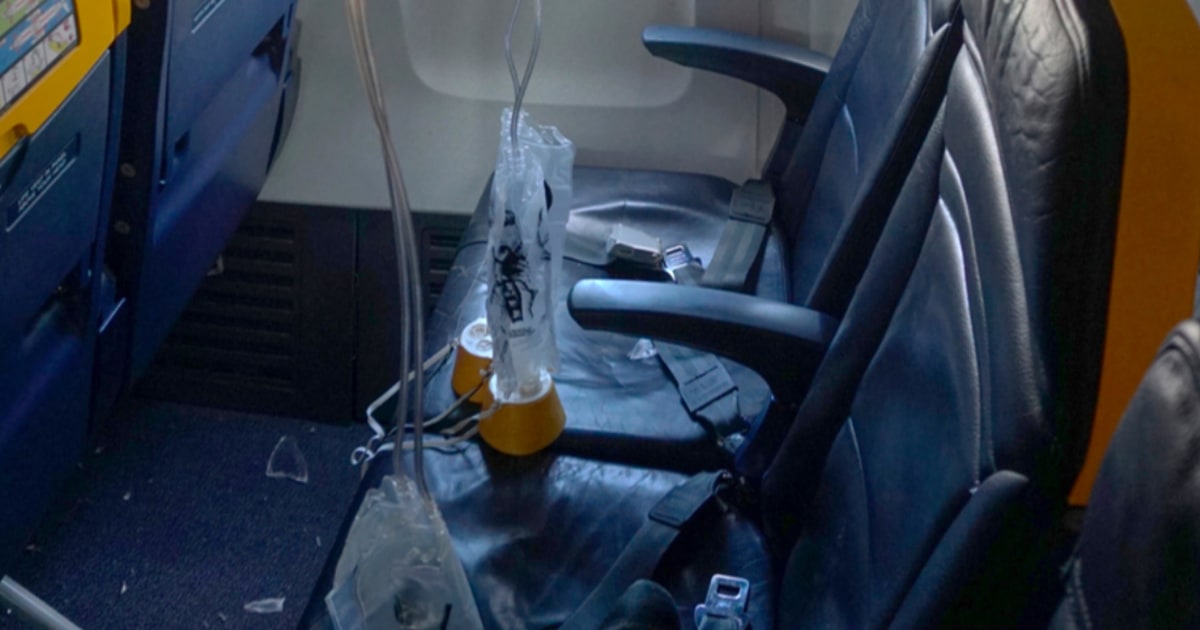
An extraordinary aviation emergency has exposed new vulnerabilities in regional flight safety after an engine failure shattered a cabin window and partially sucked a passenger outside, according to federal investigators. The terrifying episode, which unfolded high above Greece, has prompted intense scrutiny of engine maintenance practices and aircraft modification deadlines.
The NBC News coverage details how a fan blade within the right engine of a Boeing 737-800 broke loose shortly after takeoff on 10 July 2026. Fragments sent flying from the engine smashed into the fuselage and blew out a cabin window. The Guardian identified the affected traveler as 61-year-old Serbian entrepreneur Ljubisa Karović, who was seated in row 11. Karović had his head and right arm pulled through the opening after the cabin rapidly depressurised.
Media additions
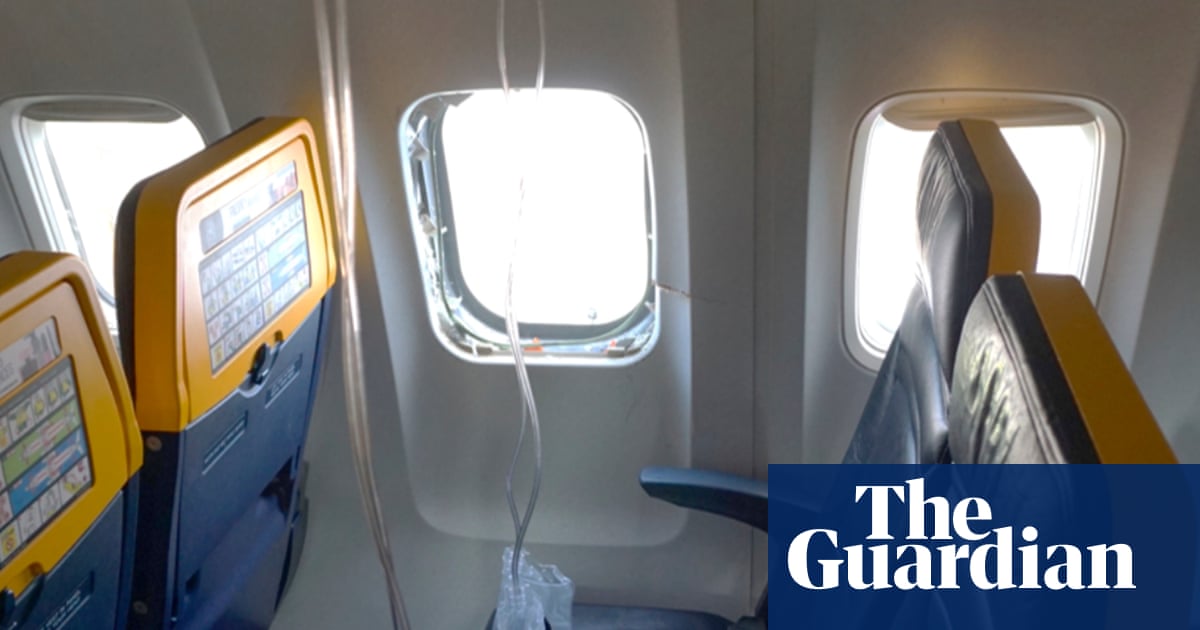

Fellow passengers intervened immediately, grabbing Karović and hauling him back inside before he could be completely pulled out into the slipstream. Cbc reported that the injured passenger was subsequently moved to row 12, where a doctor on board tended to his neck and shoulder injuries and friction burns. Other travelers grabbed a metal container from flight attendants and attempted to wedge it over the gaping window frame to stem the airflow as the aircraft descended.
Flight attendants on the Malta Air-operated flight—part of the wider business operations of Ryanair, Europe's largest budget carrier—reported hearing continuous heavy vibrations and seeing smoke or fog fill the cabin before emergency oxygen masks deployed. Ca noted that the flight crew put on their own masks, declared an emergency, and initiated an immediate descent. The aircraft climbed briefly after departing Thessaloniki before dropping down to burn fuel and safely returning to the airport an hour after departure.
Under international aviation rules, Greece turned the inquiry over to the U.S. National Transportation Safety Board. Investigators reviewing the wreckage discovered bird remains inside the failed engine assembly, pointing to potential foreign object damage during takeoff. Maintenance logs showed the engine's fan blades had passed ultrasonic inspections, yet flight crews had logged four suspected bird strikes on that same engine over the preceding year.
The preliminary findings have already generated friction between investigators and airline leadership. The NTSB formally reprimanded Ryanair CEO Michael O'Leary after he publicly asserted to investors that the probe was strictly about foreign object damage rather than plane age or maintenance history. Federal investigators countered that no possibilities had been ruled out and that the airline chief was not authorized to speak on behalf of the active investigation.
Independent aviation safety experts suggest the accident could force regulatory changes. The Federal Aviation Administration had previously issued directives requiring airlines to reinforce engine coverings on Boeing 737 aircraft following earlier fan blade separation incidents, including a fatal 2018 Southwest Airlines accident. However, airlines were given until July 2028 to finish the modifications, and the Ryanair plane had not yet been retrofitted.
Flight Timeline and Incident Sequence
- Departure: The Malta Air-operated Boeing 737-800 takes off from Thessaloniki, Greece.
- Initial Climb: Flight crew experiences heavy vibrations; an engine fan blade breaks loose, hurling fragments into the fuselage.
- The Breach: Debris shatters the row 11 window, causing rapid depressurization and pulling a passenger partly outside.
- Cabin Response: Oxygen masks drop, passengers pull the traveler back inside, and a metal box is used to block the window.
- Return: The plane descends to burn fuel and lands safely back at Thessaloniki approximately one hour after departure.
Industry observers note that the incident mirrors other recent logistical and safety stressors confronting commercial aviation, paralleling broader industrial equipment challenges seen across various sectors. As federal investigators continue picking through the engine components and maintenance records, attention will turn to whether aviation authorities decide to accelerate mandatory reinforcement deadlines.
The NTSB investigation remains open, and regulatory bodies have signaled they will take any necessary safety actions once the complete evidence is reviewed. Neither Ryanair nor engine manufacturer CFM International offered additional comment while the formal inquiry proceeds.
How significant is this development?
Contribute your assessment to the aggregated reader sentiment ledger.
Frequently Asked Questions
Key questions answered in this reportWhat is the key development in: Ryanair passenger pulled back inside after engine parts shatter cabin window?
An engine failure on a flight shattered a cabin window and partially pulled a passenger outside, prompting intense scrutiny of maintenance practices.
Why is this Business development significant for the UK?
This report covers critical events in our Business beat. Independent reporting monitors related UK statements, regulatory shifts, and public responses as further verified details emerge.
How was this reporting corroborated and verified?
Newsarchy UK compiles and cross-references reporting from primary reporting from nbcnews.com and cross-checked wire reports. All coverage adheres to published editorial standards.
When was this report published?
This briefing was published on August 14, 2026 and is permanently cataloged in the Newsarchy UK Business archives.