Sanctioned Oil Tankers Find a Lucrative New Trade in the Persian Gulf
Sanctioned oil tankers previously hauling crude from blacklisted nations are being integrated into legal Persian Gulf trade routes to combat severe vessel shortages. This logistical pivot follows Middle East conflicts and Houthi attacks that have driven Brent crude prices higher.

- Core Development: Sanctioned oil tankers previously hauling crude from blacklisted nations are being integrated into legal Persian Gulf trade routes to combat severe vessel shortages. This logistical pivot follows Middle East conflicts and Houthi attacks that have driven Brent crude prices higher.
- Beat Context: Categorized under Business with independent corroboration.
- Reporting Depth: 3 minute analytical read synthesized from verified newsroom sources.
Sanctioned oil tankers previously deployed to move crude from blacklisted nations have found a lucrative new operational theater in the Persian Gulf, according to reporting by Oilprice. This shifting maritime trade emerges as escalating military conflict across the Middle East chokes critical energy corridors, forcing a scramble for available vessel capacity amid soaring freight costs and acute supply disruptions.
The transformation of the dark fleet into a compliant logistical asset stems directly from acute capacity constraints. Maritime attorney Benjamin Robinson explained to Oilprice that vessels formerly blocked are being delisted or cleared for specific financial transactions in a nimble system designed to achieve foreign policy objectives. According to Bloomberg, two very large crude carriers that used to transport Venezuelan crude are now being used to export oil from the Persian Gulf, while two more are en route to the Gulf of Oman after setting off from South America. The U.S. Administration initiated plans to pull these shadow vessels into the light to cope with exorbitant freight charges in the Persian Gulf, where ship-to-ship transfers have become routine and single-route freight expenses have reached astronomical sums, with some routes fetching substantial costs for freight alone.
Media additions

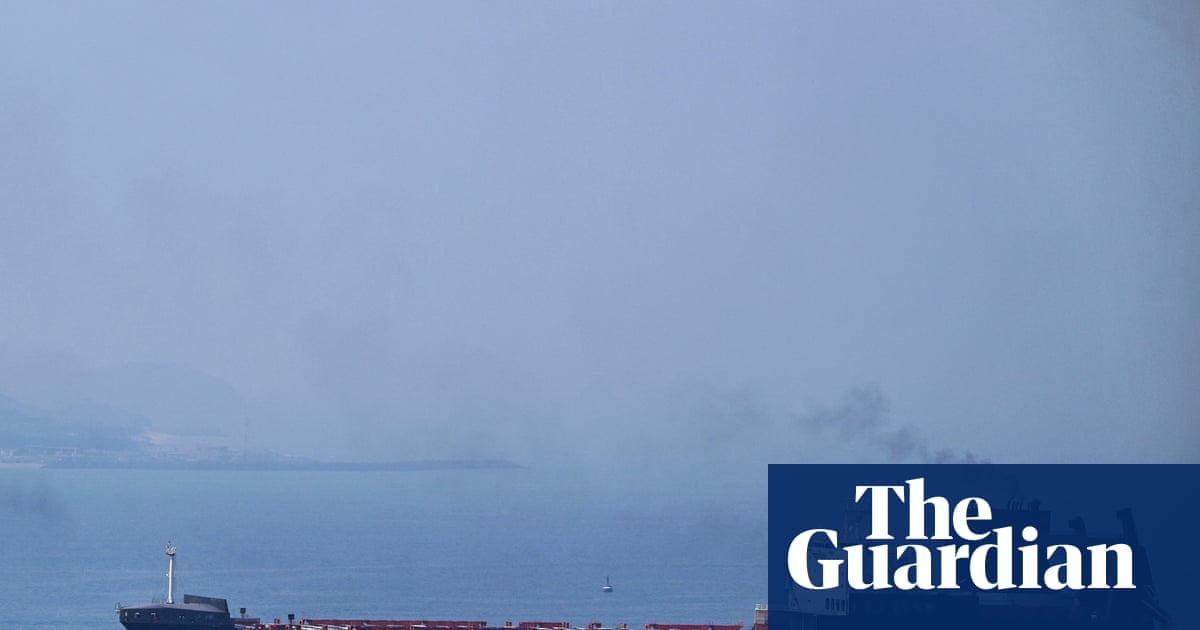

Energy Secretary Chris Wright addressed the strategy, stating, We are converting dark tankers to legitimate tankers. There is no removing of sanctions.
Wright also explained that ships would be moved from what he described as the bad-guy fleet to the good-guy fleet so they would no longer carry sanctioned oil. Wright estimated that approximately 1,600 tankers belong to the dark fleet, and integrating even a few dozen or a few hundred of these vessels into the unsanctioned fleet will help alleviate the severe shortage of compliant tonnage.
This logistical pivot coincides with severe kinetic disruptions across the region's key maritime chokepoints. As detailed by The Guardian and other outlets, Iranian-aligned Houthi militias claimed responsibility for missile and drone strikes against Saudi Arabian oil tankers in the Red Sea, specifically targeting vessels such as the Encelia and Layla after imposing a naval blockade.
The geopolitical shockwaves rippling through energy markets have been swift. According to the American Journal of Transportation, benchmark Brent crude futures climbed about two percent to reach a multi-month high, driven by intensifying fighting near vital shipping lanes. Additional reporting from bloomingbit noted that global oil prices subsequently scaled even higher, piercing specific trading thresholds as fears of an extended U.S.-Iran conflict mounted. European gas prices similarly hit extreme levels, as highlighted by Yahoo Finance Australia, compounding the pressure on industrial and retail consumers alike.
| Benchmark / Indicator | Reported Price / Figure | Source Reference |
|---|---|---|
| Brent Crude Futures | $111.24 a barrel | American Journal of Transportation |
| US WTI Crude Futures | $98.29 a barrel | American Journal of Transportation |
| Estimated Middle East Crude Exports | 17 million barrels per day | American Journal of Transportation |
| Prior Annual Average Exports | 18 million barrels per day | American Journal of Transportation |
Market analysts are sharply divided on the trajectory of these energy shocks. While Morgan Stanley analysts estimated that Middle East crude exports hovered near specific daily volumes last week, PVM Oil analyst Tamas Varga cautioned that export volumes are severely undermined by ongoing attacks against maritime traffic and regional production facilities. Similarly, Rapidan Energy president Bob McNally warned that oil could climb rapidly if the conflict intensifies and causes major damage to key petroleum facilities.
What to Watch Next
- Upcoming U.S. Midterm elections and their potential impact on diplomatic talks and sanctions enforcement.
- Further designations or licensing adjustments by maritime authorities regarding the remaining shadow fleet vessels.
- Security developments and military posture surrounding the Strait of Hormuz and the Bab el-Mandab Strait.
Market participants will continue monitoring production updates from major exporters and security reports from the Persian Gulf as the integration of sanctioned tankers into legitimate trade routes proceeds.
How significant is this development?
Contribute your assessment to the aggregated reader sentiment ledger.
Frequently Asked Questions
Key questions answered in this reportWhat is the key development in: Sanctioned Oil Tankers Find a Lucrative New Trade in the Persian Gulf?
Sanctioned oil tankers previously hauling crude from blacklisted nations are being integrated into legal Persian Gulf trade routes to combat severe vessel shortages. This logistical pivot follows Middle East conflicts and Houthi attacks that have driven Brent crude prices higher.
Why is this Business development significant for the UK?
This report covers critical events in our Business beat. Independent reporting monitors related UK statements, regulatory shifts, and public responses as further verified details emerge.
How was this reporting corroborated and verified?
Newsarchy UK compiles and cross-references reporting from primary reporting from SMH.com.au and cross-checked wire reports. All coverage adheres to published editorial standards.
When was this report published?
This briefing was published on October 28, 2026 and is permanently cataloged in the Newsarchy UK Business archives.