Treasury scraps gas bill standing charges ahead of Budget 2026
The Treasury has announced that fixed daily standing charges on domestic gas bills will be abolished for roughly twenty-three million homes.

- Core Development: The Treasury has announced that fixed daily standing charges on domestic gas bills will be abolished for roughly twenty-three million homes.
- Beat Context: Categorized under Politics with independent corroboration.
- Reporting Depth: 3 minute analytical read synthesized from verified newsroom sources.
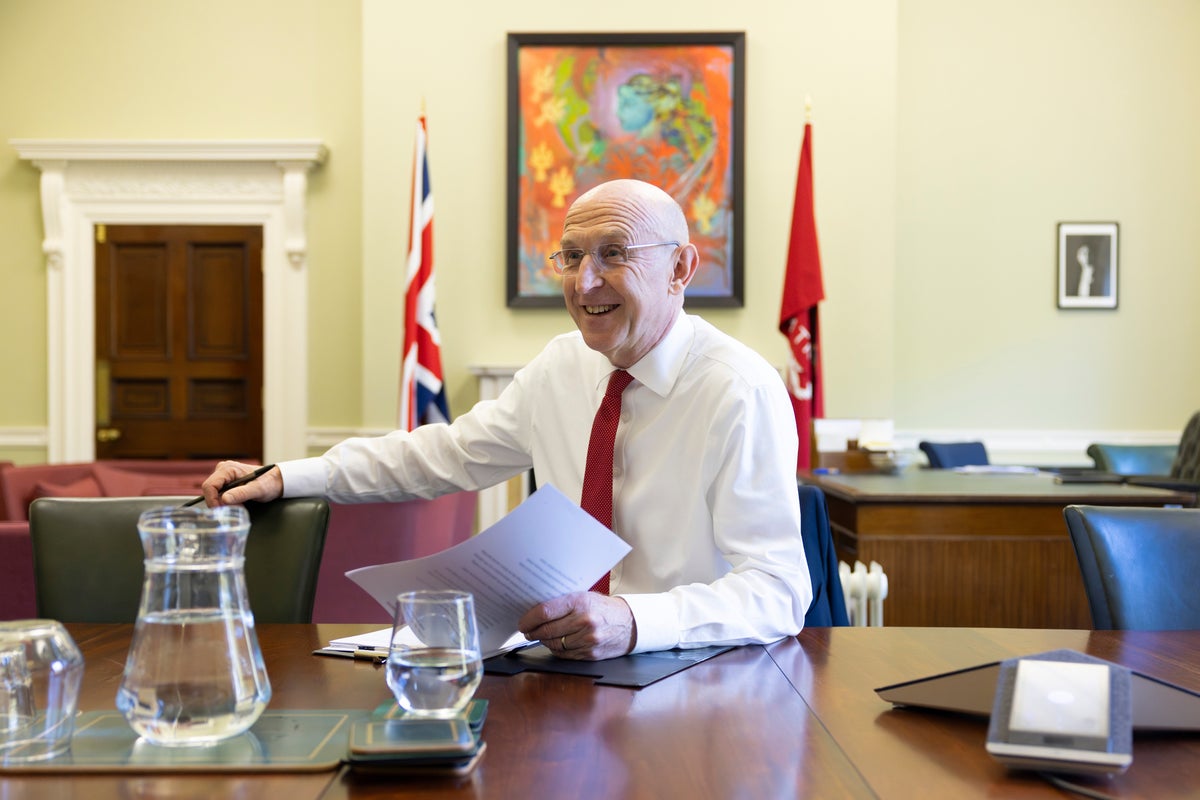
The Treasury has announced that fixed daily standing charges on domestic gas bills will be abolished for roughly twenty-three million homes, delivering a major overhaul to household energy pricing ahead of a high-stakes fiscal statement. The policy change, set to take effect next year or as soon as possible thereafter, targets a fee that adds approximately £108 annually to a typical property's expenses regardless of fuel consumption. Chancellor John Healey is formally directing energy regulator Ofgem to remove the levy, arguing that the existing fee structure has long penalised billpayers and left families vulnerable to global supply shocks.
The announcement forms a central pillar of the Budget 2026 LIVE: John Healey makes bombshell announcement hours ahead of crucial speech coverage led by the Express. Prime Minister Andy Burnham defended the intervention as a matter of basic fairness, stating that the move provides citizens with greater control over their domestic outgoings. Energy Secretary Miatta Fahnbulleh echoed these remarks, noting that affordability remains a primary departmental focus following a period of steep price hikes. According to Autumn Budget 2026 live updates: John Healey scraps standing charges for gas bills via the Daily Mail, fixed network delivery costs will instead be recovered through the unit rate, resulting in an estimated average saving of £45 a year for 60 per cent of UK households.
Media additions


Prime Minister Andy Burnham originally raised the prospect of tackling the levy following questions from political opponents, asking his Cabinet colleagues to examine whether the fees could be lifted. Under the previous price cap framework, average standing charges by Direct Debit stood at 54.83p per day for electricity and 29.68p per day for gas. These fees were designed to cover network delivery costs including the maintenance of wires, pipes, and cables, alongside administrative expenses for energy companies.
Industry stakeholders have offered a generally warm reception to the structural shift. Octopus Energy Group founder and chief executive Greg Jackson praised the policy via John Healey to end standing charges on gas bills for 23m homes in The Guardian, describing it as joined-up thinking that improves the ratio of electricity to gas pricing and aids future heat pump adoption.
| Energy Charge Element | Previous System | New Budget 2026 Policy |
|---|---|---|
| Gas Standing Charge | Fixed daily fee averaging £108/year | Scrapped for 23m homes from next year |
| Cost Recovery Method | Independent flat daily billing | Shifted to the unit rate |
| Estimated Household Savings | None automatic | Average £45/year for 60% of homes |
Political opposition figures wasted little time launching broadsides against the wider economic package. Reform UK's Robert Jenrick warned that borrowing costs and national debt levels remained unacceptably high, while Conservative leader Kemi Badenoch cautioned that voters would ultimately foot the bill for increased public spending through stealth tax raids.
Further analysis of the economic strategy is available via Budget to remove 'unfair' £108-a-year standing charges on gas bills on Aol, which details how average direct debit tariffs previously combined electricity and gas standing charges into substantial annual overheads. Additional commentary regarding regional energy reviews can be found through Andy Burnham orders review into scrapping energy bill standing charges worth £108 a year on NewsCord.
What to Watch Next
- Formal regulatory directives issued by Ofgem to energy suppliers regarding the timeline for standing charge removal.
- Supplier communications to households detailing unit rate adjustments ahead of implementation next year.
How significant is this development?
Contribute your assessment to the aggregated reader sentiment ledger.
Frequently Asked Questions
Key questions answered in this reportWhat is the key development in: Treasury scraps gas bill standing charges ahead of Budget 2026?
The Treasury has announced that fixed daily standing charges on domestic gas bills will be abolished for roughly twenty-three million homes.
Why is this Politics development significant for the UK?
This report covers critical events in our Politics beat. Independent reporting monitors related UK statements, regulatory shifts, and public responses as further verified details emerge.
How was this reporting corroborated and verified?
Newsarchy UK compiles and cross-references reporting from primary reporting from End Fuel Poverty Coalition and cross-checked wire reports. All coverage adheres to published editorial standards.
When was this report published?
This briefing was published on October 28, 2026 and is permanently cataloged in the Newsarchy UK Politics archives.