S&P 500 Falls as Iran Risks Outweigh Renewed Optimism Over AI Stocks
Wall Street indexes slid as rising Middle East tensions and surging oil prices overshadowed optimism surrounding artificial intelligence and chip stocks.

- Core Development: Wall Street indexes slid as rising Middle East tensions and surging oil prices overshadowed optimism surrounding artificial intelligence and chip stocks.
- Beat Context: Categorized under Business with independent corroboration.
- Reporting Depth: 4 minute analytical read synthesized from verified newsroom sources.
Wall Street's major indexes slid as rising geopolitical tensions in the Middle East overshadowed renewed market optimism surrounding artificial intelligence. According to Analytics Insight, the S&P 500 edged lower while investors assessed escalating friction between the United States and Iran. At the same time, Business Times reported that the three major indexes finished lower as traders braced for forthcoming corporate earnings from major retail giants to gauge the health of household consumption.
Middle Eastern supply anxieties flared after a senior Iranian official warned Reuters that Tehran could adopt an offensive posture should diplomatic negotiations with Washington collapse. The official specifically cautioned about potential military escalation near the vital Strait of Hormuz and the wider region. David Morrison, senior market analyst at Trade Nation, pointed out that market participants had previously underestimated the longevity of the conflict, noting that nobody was pricing in ongoing hostilities as the summer approaches its conclusion.
Media additions
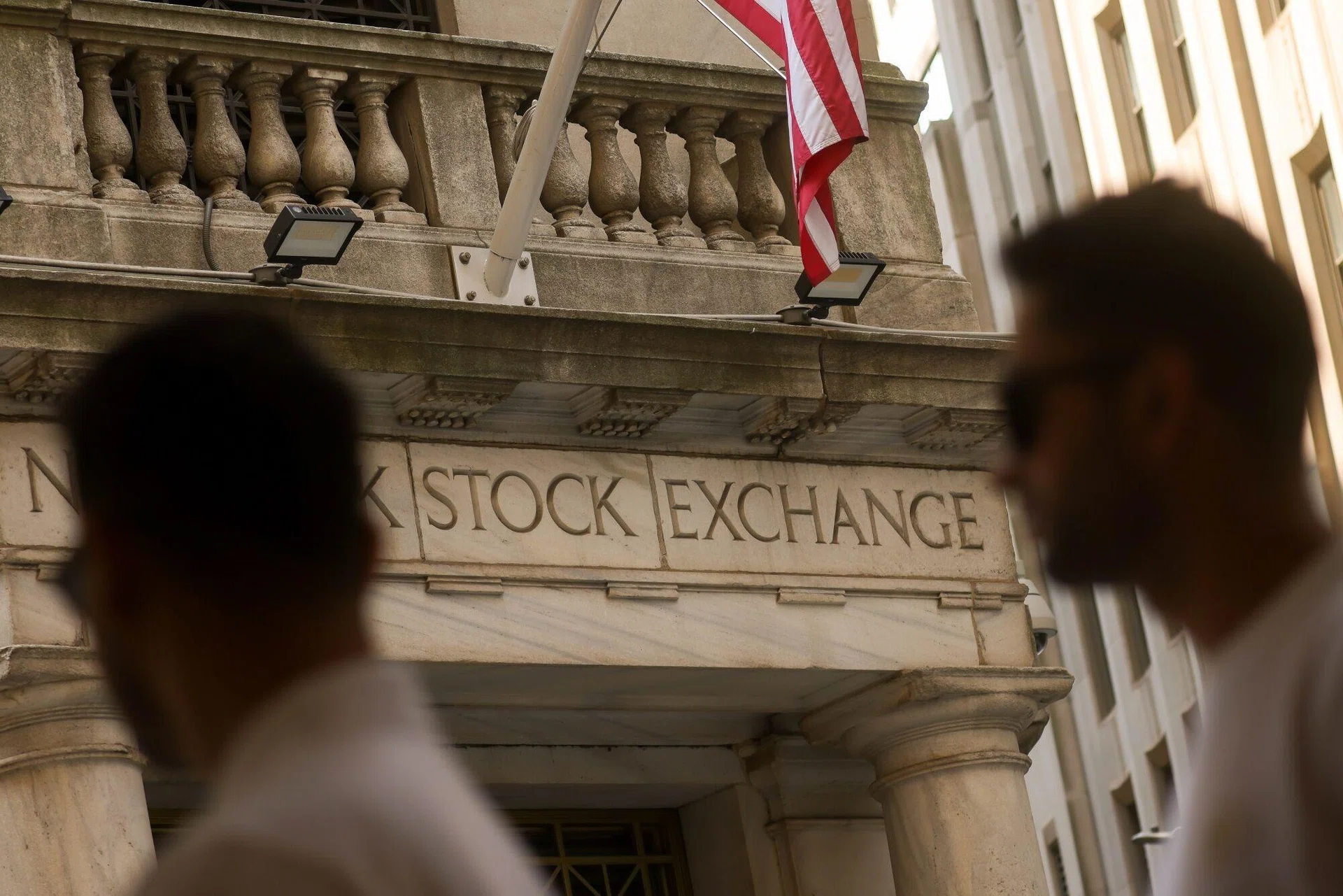
The resulting supply fears drove oil futures upward. Brent crude futures rose about 0.4% to trade near $88 per barrel, while West Texas Intermediate pushed past $82 per barrel. According to Business Times, oil futures ultimately settled up more than $2 per barrel. This surge provided a direct lift to the energy sector, which finished up 0.87% as the sole gaining industry group among the S&P 500's eleven major sectors. In individual energy-related movement, US-listed shares of Vista Energy climbed between 5.3% and 5.6% after investor Peter Thiel acquired a 1% stake in the Latin American oil producer.
Aside from energy, nearly every major sector lost ground. Communications services and consumer staples fell about 1.5% each, while financials and consumer discretionary dropped over 1%. The broader market unease followed softer economic data, including July retail sales falling 0.6%, which left investors cautious and waiting for direction from upcoming consumer reports. Phil Blancato, chief market strategist at Osaic Wealth, explained that the market is dealing with a combination of summer doldrums and a cautious wait for consumer data, observing that trading volume often dips in August as market participants take vacations.
Technology shares experienced mixed fortunes as investors weighed the lofty financial commitments poured into AI infrastructure against software sector pullbacks. Technology trading remained volatile with anxieties persisting over how quickly heavy spending on artificial intelligence will generate tangible financial returns. On one hand, reports regarding Anthropic’s financial outlook provided a strong boost to hardware demand expectations. Reuters reported that the AI company expects revenue of roughly $190 billion to $200 billion in 2028, following a second-quarter revenue surge above $11.5 billion. On the other hand, software giants such as Microsoft and Meta Platforms faced heavy selling, both declining more than 3% and serving as the biggest drags on the S&P 500.
Chipmakers and semiconductor stocks largely offset software losses, though reports differed slightly on the exact sector performance metrics. Analytics Insight noted that Micron Technology shares rose about 4.5% (while Business Times recorded a 4% gain), Sandisk jumped 6.7%, and Nvidia added 0.2%. Business Times added that Applied Materials climbed 5.5% and the PHLX semiconductor index rallied 1.6%, even as the S&P 500 Software & Services index sank 2.8%.
Federal Reserve monetary policy expectations also shifted the market mood. Softer inflation figures and lower retail sales figures gave the central bank room to potentially hold rates steady, with traders pricing in roughly a 31% probability of a 25-basis-point rate increase at the September meeting according to CME FedWatch data. Conversely, Wells Fargo Investment Institute revised its policy outlook, now forecasting one 25-basis-point rate increase during 2026 after previously anticipating no change.
Market Snapshot
- S&P 500: Fell 40.70 points (0.52%) to 7,745.06 (Analytics Insight noted 0.14% to 7,775 earlier in the session).
- Dow Jones Industrial Average: Dropped between 164 and 272.63 points, closing down 0.51% at 53,459.78.
- Nasdaq Composite: Slipped 84.25 points (0.31%) to 26,644.91.
- Energy Sector: The lone S&P 500 gainer, rising 0.87%.
Corporate headwinds extended beyond technology and energy. Boeing shares fell nearly 2% after the US Army suspended Apache helicopter training flights following a fatal crash in Salado, Texas, that claimed the lives of two soldiers. UnitedHealth and McDonald’s also recorded declines, heaping additional pressure on the Dow Jones Industrial Average.
What happens next depends heavily on incoming retail disclosures and central bank transparency. Major retailers including Home Depot, Lowe’s, Walmart, and Target are scheduled to report quarterly earnings this week, offering crucial windows into back-to-school household spending, store traffic, pricing strategies, and profit margins. Meanwhile, investors will examine the minutes from the Federal Reserve’s July meeting for further clues regarding the path of interest rates, alongside upcoming quarterly reporting from premier AI chipmaker Nvidia.
How significant is this development?
Contribute your assessment to the aggregated reader sentiment ledger.
Frequently Asked Questions
Key questions answered in this reportWhat is the key development in: S&P 500 Falls as Iran Risks Outweigh Renewed Optimism Over AI Stocks?
Wall Street indexes slid as rising Middle East tensions and surging oil prices overshadowed optimism surrounding artificial intelligence and chip stocks.
Why is this Business development significant for the UK?
This report covers critical events in our Business beat. Independent reporting monitors related UK statements, regulatory shifts, and public responses as further verified details emerge.
How was this reporting corroborated and verified?
Newsarchy UK compiles and cross-references reporting from primary reporting from businesstimes.com.sg and cross-checked wire reports. All coverage adheres to published editorial standards.
When was this report published?
This briefing was published on August 18, 2026 and is permanently cataloged in the Newsarchy UK Business archives.