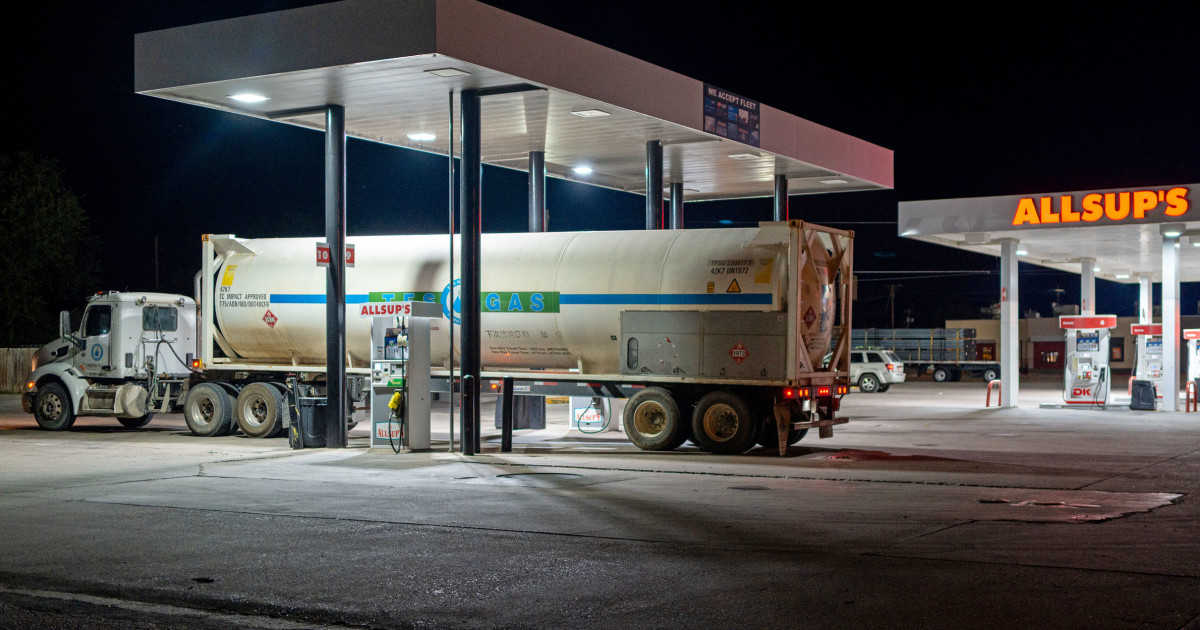
G7 releases 100m barrels of oil, front‑loaded diesel to curb price spikes
The G7 has agreed to release up to 100 million barrels of crude oil and diesel from strategic reserves, front-loading supplies to combat soaring fuel prices.

- Core Development: The G7 has agreed to release up to 100 million barrels of crude oil and diesel from strategic reserves, front-loading supplies to combat soaring fuel prices.
- Beat Context: Categorized under Business with independent corroboration.
- Reporting Depth: 4 minute analytical read synthesized from verified newsroom sources.
On Friday, the Group of Seven announced a coordinated release of up to 100 million barrels of crude oil and diesel from strategic reserves, a move designed to blunt a sharp rise in fuel prices that has rattled households and businesses across the globe. The decision came after President Donald Trump threatened to ban U.S. Diesel exports unless European allies unlocked their emergency stocks, forcing the G7 to act before the mid‑term elections.
The virtual meeting was chaired by French President Emmanuel Macron, who had an overnight conversation with Trump. Macron announced the agreement after the videoconference, noting that the release would begin immediately and would be implemented through the IEA. The joint statement also highlighted plans to coordinate refinery maintenance schedules to avoid simultaneous shutdowns and to encourage partners with greater refining capacity to increase diesel output.
Media additions


Trump’s threat to ban U.S. Diesel exports was a catalyst. Earlier this week he warned that if European nations did not release enough diesel, he would restrict exports from the United States, a move that could have pushed global prices higher. In a post on Truth Social, he described the G7 release as “a massive amount of diesel oil” and said the process would start “immediately.” In response, the G7 reaffirmed its commitment to refrain from export restrictions on energy and energy products between member countries.
While the total volume of 100 million barrels is clear, the breakdown between crude and diesel is not. The statement says a “substantial diesel release” will occur within the first 20 days but does not specify the exact ratio. Analysts have offered estimates, but the G7 has not provided a daily flow‑rate schedule, leaving the precise market impact uncertain. Some experts suggest that if half of the barrels are diesel, the release could amount to roughly 400 000 barrels per day, which would be only a fraction of the 30 million barrels of global diesel demand.
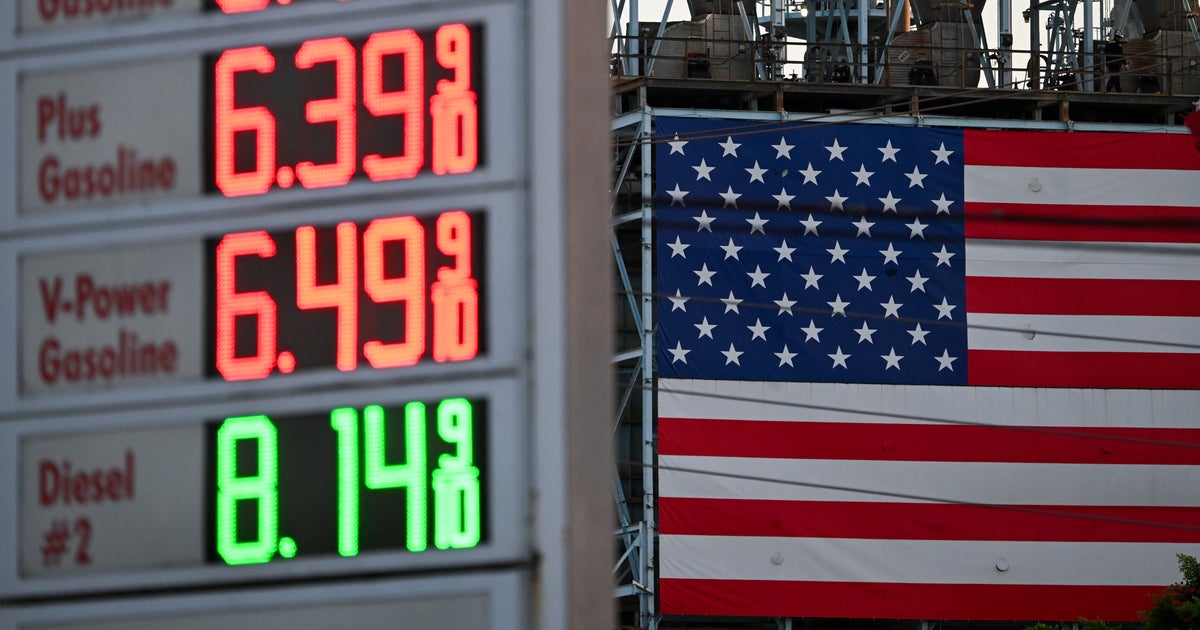
Oil markets reacted quickly. Brent crude futures dipped briefly below $100 a barrel after the announcement, only to rebound to around $102 by Friday evening. Diesel prices fell as futures prices slumped, with the premium over crude dropping to about $69 a barrel from $76.77 earlier. In the United States, the average price of diesel has surged to $6.37 per gallon, down from a record $6.52 on September 22 but still markedly higher than a year earlier.
European authorities welcomed the decision. The European Commission rejected any U.S. Diesel export ban and welcomed the G7’s pledge not to impose restrictions. Ursula von der Leyen praised the solidarity and the potential to keep the clean‑energy transition on track. Meanwhile, the United Kingdom’s government highlighted its reliance on imports, noting that 31 % of diesel imported comes from the U.S. And that the release could help stabilize prices for motorists and businesses.
| Aspect | Details from Sources |
|---|---|
| Release volume | Up to 100 million barrels |
| Front‑loaded diesel | Substantial release within first 20 days |
| Coordination body | International Energy Agency |
| Export restriction stance | G7 will refrain from restricting energy exports between members |
| Market reaction | Brent fell below $100, diesel futures dropped |
Below is a concise timeline of the events that have led to the G7 release:
- March 2026 – IEA releases 400 million barrels of oil and products to stabilise markets.
- February 28 2026 – U.S. And Israel launch an attack on Iran, escalating fuel price volatility.
- July 2026 – Russian‑Ukrainian conflict intensifies, disrupting refinery operations and diesel exports.
- September 2026 – President Trump threatens a U.S. Diesel export ban unless European nations release reserves.
- October 2 2026 – G7 announces coordinated release of 100 million barrels, front‑loaded diesel, and a pledge to avoid export restrictions.
What to watch next:
- Refinery maintenance schedules announced by G7 members could affect the pace of diesel production.
- Market response in the weeks following the release, particularly diesel prices in Europe and the United States.
The G7’s decision reflects a balancing act between stabilising fuel markets and maintaining international cooperation. While the release offers a temporary buffer against price spikes, analysts agree that lasting relief will hinge on broader geopolitical developments, refinery capacity, and the ability of the International Energy Agency to coordinate an effective rollout.
How significant is this development?
Contribute your assessment to the aggregated reader sentiment ledger.
Frequently Asked Questions
Key questions answered in this reportWhat is the key development in: G7 releases 100m barrels of oil, front‑loaded diesel to curb price spikes?
The G7 has agreed to release up to 100 million barrels of crude oil and diesel from strategic reserves, front-loading supplies to combat soaring fuel prices.
Why is this Business development significant for the UK?
This report covers critical events in our Business beat. Independent reporting monitors related UK statements, regulatory shifts, and public responses as further verified details emerge.
How was this reporting corroborated and verified?
Newsarchy UK compiles and cross-references reporting from primary reporting from nbcnews.com and cross-checked wire reports. All coverage adheres to published editorial standards.
When was this report published?
This briefing was published on October 2, 2026 and is permanently cataloged in the Newsarchy UK Business archives.