SpaceX Starship reaches orbit on first orbital test despite engine failure
SpaceX Starship reaches orbit on first orbital test despite engine failure
- Core Development: SpaceX Starship reaches orbit on first orbital test despite engine failure
- Beat Context: Categorized under Business with independent corroboration.
- Reporting Depth: 4 minute analytical read synthesized from verified newsroom sources.
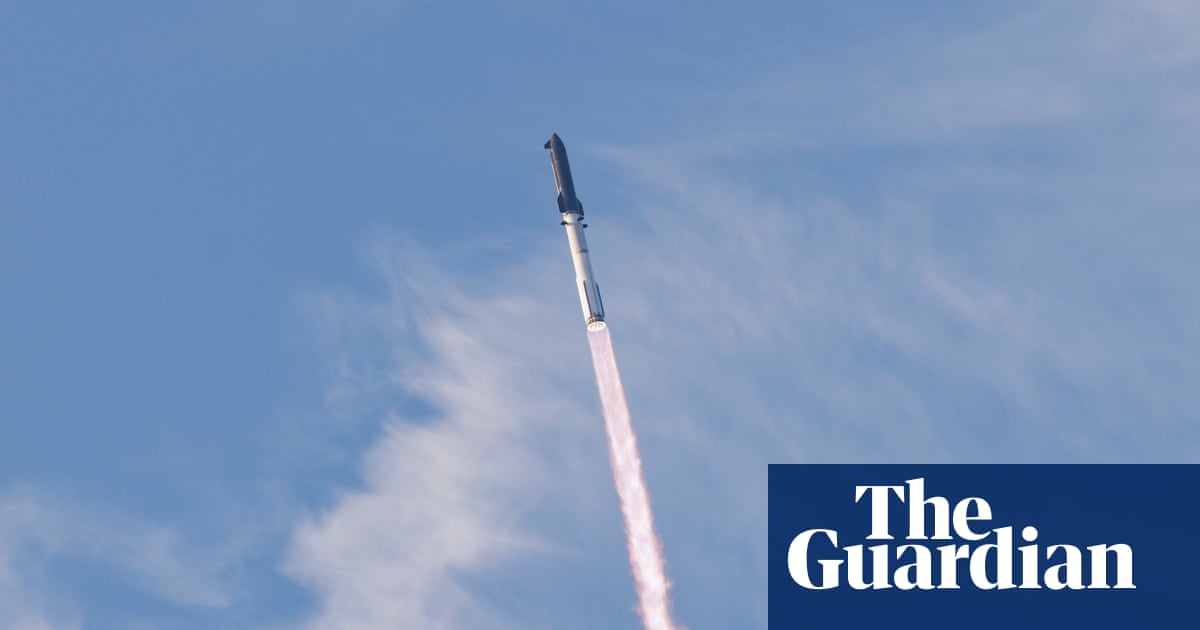
SpaceX’s 14th test flight of its megacapsule Starship marked a historic first: the vehicle entered Earth orbit for the first time, even after one of its vacuum engines shut down early in ascent. The launch took place from Pad 2 at the company’s Starbase facility in Texas, and the spacecraft completed a limited orbital run before returning to the Pacific for a splashdown north of Hawaii.
The 120‑metre‑tall rocket lifted off from Pad 2 at 7.48 a.m. Local time (1.48 p.m. BST). Roughly 15 minutes into ascent one of the ship’s Raptor 3 vacuum engines shut down, a fault that could have jeopardised the planned orbital insertion. Flight controllers, after a tense review of telemetry, decided to press on with the burn that would place the vehicle into a 171‑mile (275 km) orbit.
Media additions

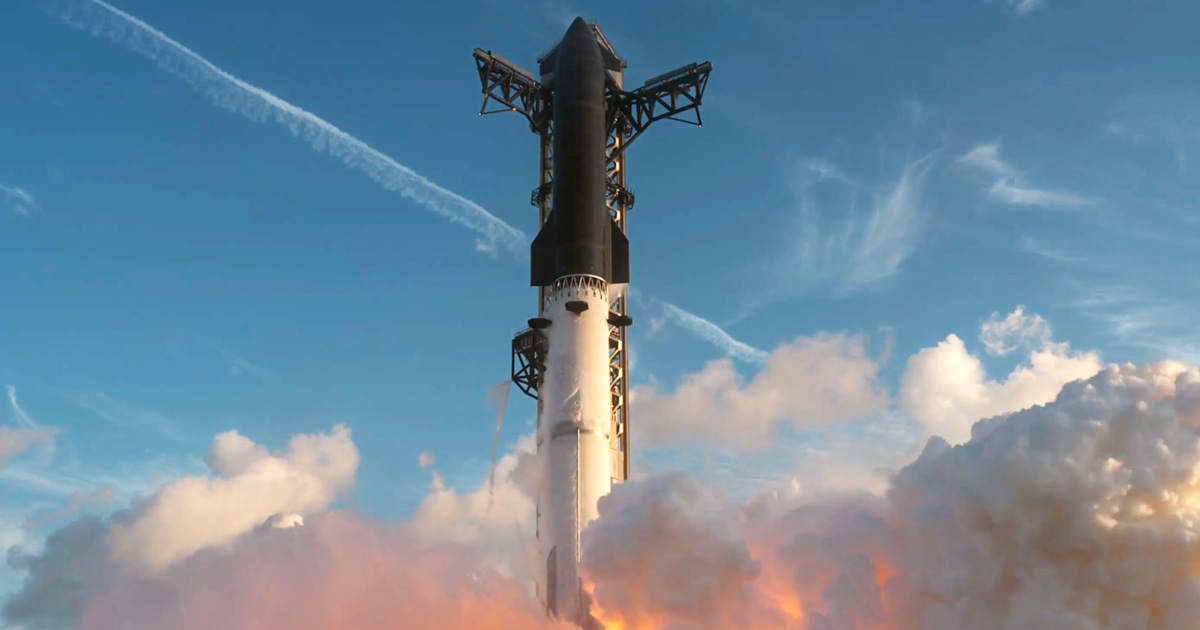
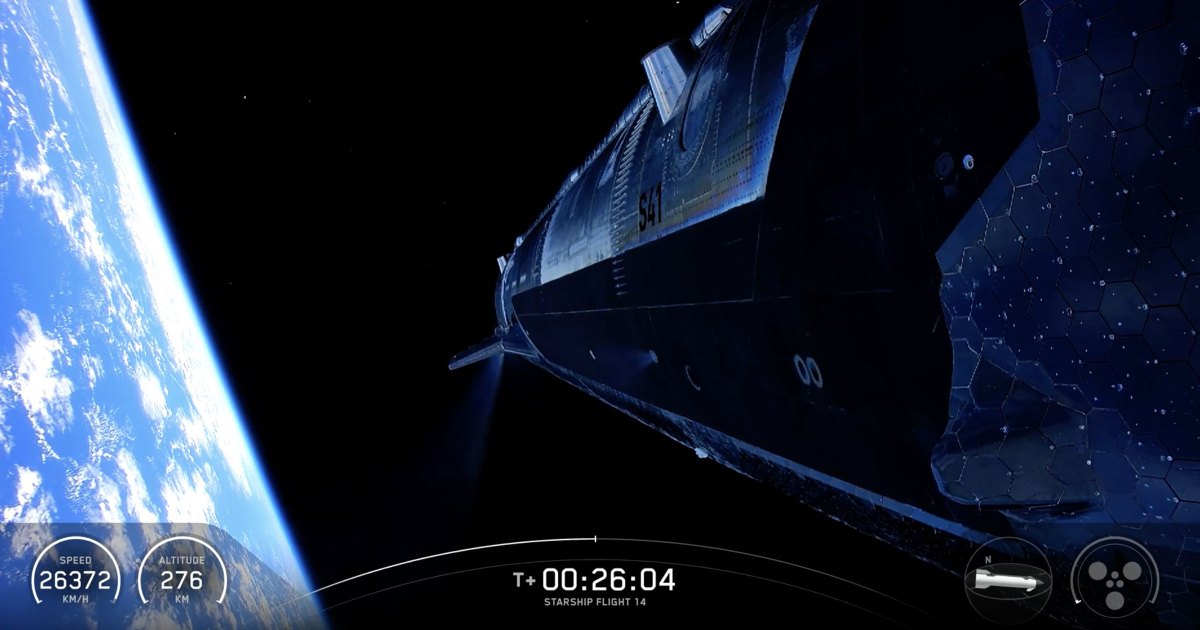
“Starship is in orbit,” declared Daniel Hewitt, an engineer narrating a live stream of the launch. The statement echoed cheers that broke out across the launch pad as the vehicle entered the planned trajectory. Mission control had to confirm that enough engine redundancy remained to perform the de‑orbit burn that would bring the ship back to Earth.
Once in orbit, Starship executed a single orbital insertion burn that raised the capsule to the target altitude. The plan had called for the ship to complete roughly six loops of Earth over almost ten hours, but after the successful deployment of its payload the team opted to end the mission after three orbits. The vehicle performed a de‑orbit burn and re‑entered the atmosphere, splashing down in the Pacific Ocean north of Hawaii roughly three hours after liftoff.
The payload was a cluster of 26 Starlink V3 satellites, the first operational units of the latest generation. Each satellite would unfold its solar arrays and deploy its high‑capacity antennas before raising its orbit with onboard thrusters. The deployment sequence was described by SpaceX as “all 26 Starlink V3 operational satellites deployed and operating nominally.” Three of the satellites carried cameras that captured images of Starship’s heat shield, data that will feed into future testing.
Reactions from the launch site were exuberant. The audience counted on the launch, and the moment that the ship achieved orbit was met with cheers and applause. NASA Administrator Jared Isaacman posted on X: “Gorgeous launch, getting Ship to orbit and managing every step in a safe, responsible and especially inspirational way.”
SpaceX has been testing Starship in full configuration since 2023, but earlier flights had only pursued sub‑orbital trajectories that ended in the Indian Ocean. The 13th flight in July saw the ship soft‑splash down after deploying 11,000 Starlink satellites and a hard landing of the booster. The 14th flight, however, moved the vehicle from sub‑orbital to orbital, a key milestone in the program’s progression toward crewed lunar missions.
The Super Heavy booster separated from the ship 2 minutes 34 seconds into flight, performing a hot‑staging manoeuvre that allowed the booster to re‑orient and perform a boost‑back burn toward the Gulf of Mexico. The booster’s landing burn, which normally would use three engines, was carried out with only eight of the 13 planned engines, a remnant of earlier glitches that had caused ice buildup on engines during a previous flight. The booster splashed down in the Gulf, while the ship continued on to orbit.
NASA’s Artemis programme, which aims to land astronauts on the Moon by 2028, has long counted on Starship as a potential lunar lander. The successful orbital insertion demonstrates that the vehicle can reach and maintain the low‑Earth orbit required for future crewed missions. The flight also provides data on the ship’s heat‑shield performance and engine reliability—critical factors for the agency’s certification process. Artemis III, scheduled for next summer, will test Orion’s docking with a private lunar lander, while Artemis IV, slated for no sooner than 2028, will involve an actual lunar landing.
SpaceX’s stock fell by roughly a percentage point after the launch, a reaction that surprised many observers. The decline came despite the successful orbit and the deployment of operational Starlink satellites, illustrating the market’s cautious stance amid ongoing developmental challenges. At the time of the launch, the company’s valuation remained well below the peak it had reached in its initial public offering.
Looking ahead, SpaceX plans to review the flight data before deciding on the next step. The company has indicated that Flight 15 could launch no earlier than 19 October, and a first Starship launch from a new site in Florida could occur no earlier than 30 October, depending on how the Monday flight is evaluated. SpaceX also aims to attempt a tower‑catch of the ship on its next orbital flight, a manoeuvre that would be the first time an orbital‑class upper stage has been recovered in this way. Successful recovery would bring the vehicle closer to the rapid‑turnaround capability that underpins the company’s long‑term plans for lunar and Mars missions.
How significant is this development?
Contribute your assessment to the aggregated reader sentiment ledger.
Frequently Asked Questions
Key questions answered in this reportWhat is the key development in: SpaceX Starship reaches orbit on first orbital test despite engine failure?
SpaceX Starship reaches orbit on first orbital test despite engine failure
Why is this Business development significant for the UK?
This report covers critical events in our Business beat. Independent reporting monitors related UK statements, regulatory shifts, and public responses as further verified details emerge.
How was this reporting corroborated and verified?
Newsarchy UK compiles and cross-references reporting from primary reporting from NBC News and cross-checked wire reports. All coverage adheres to published editorial standards.
When was this report published?
This briefing was published on September 28, 2026 and is permanently cataloged in the Newsarchy UK Business archives.