Lawsuit Targets Starbucks ‘Sugar-Free’ Protein Drinks Over Milk Sugar
A new federal lawsuit alleges Starbucks misleads customers by marketing protein beverages as sugar-free when they contain up to 21 grams of lactose.
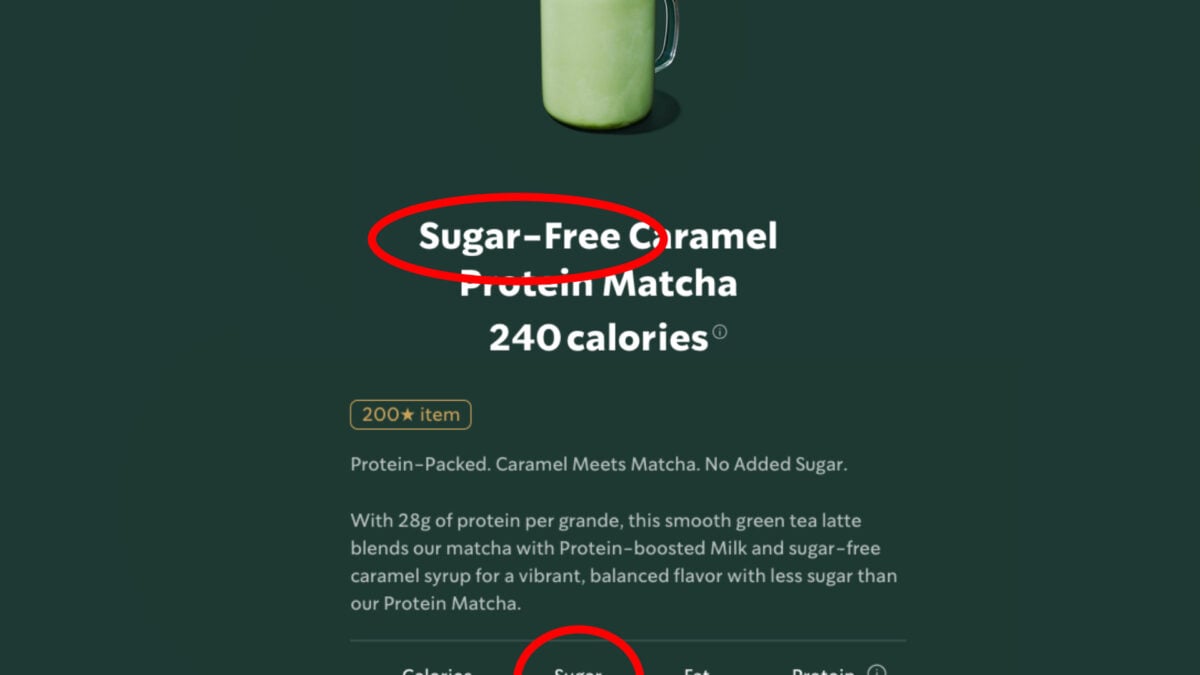
- Core Development: A new federal lawsuit alleges Starbucks misleads customers by marketing protein beverages as sugar-free when they contain up to 21 grams of lactose.
- Beat Context: Categorized under Business with independent corroboration.
- Reporting Depth: 3 minute analytical read synthesized from verified newsroom sources.
A federal class-action lawsuit filed against Starbucks alleges that the international coffee house chain is misleading health-conscious patrons by marketing a line of protein beverages as “sugar-free” when they actually contain substantial amounts of natural milk sugar.
The complaint was brought by the law firm Hagens Berman on behalf of individual plaintiffs Michael Walsh of California, Anne Legnini of New York, and Elna Potter of Washington, according to NBC News. The legal challenge targets eight specific hot and iced beverages: the Sugar-Free Vanilla Protein Latte, Sugar-Free Caramel Protein Latte, Sugar-Free Vanilla Protein Matcha, and Sugar-Free Caramel Protein Matcha. CBC News notes that these items are available on both American and Canadian digital menus under protein beverage categories.
Media additions
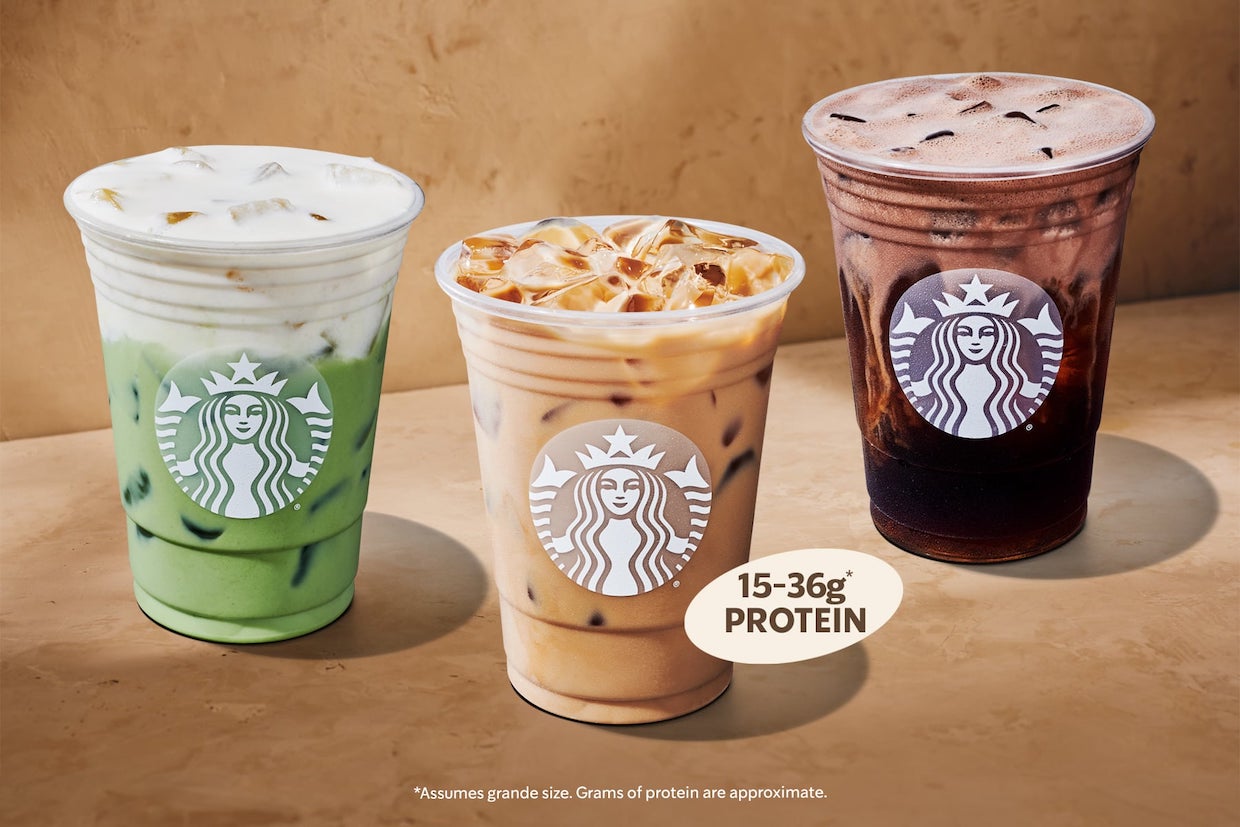
According to ClassAction.org, the 46-page complaint states that the drinks contain milk as a primary ingredient. Because milk naturally contains lactose, a form of sugar, a venti-sized serving harbors between 13 and 21 grams of sugar. The lawsuit equates the 21 grams found in a venti Sugar-Free Caramel Protein Matcha to roughly five teaspoons of sugar, or an amount nearing that of a standard Kit Kat bar. Similar comparisons by The Mary Sue point out that such sugar levels outpace other popular treats, creating confusion for shoppers navigating dietary restrictions.
"Consumers avoid sugar for various reasons, whether that be general health, diabetes and blood glucose levels or other factors, and for many, a staunch mislabeling like this is significant."
Steve Berman, Co-founder of Hagens Berman, via Associated Press
Federal regulations in the United States and Canada dictate that products bearing a "sugar-free" label must contain less than 0.5 grams of sugar per reference serving. The lawsuit contends that Starbucks far exceeds this ceiling by roughly 13 to more than 25 times the permitted threshold. Furthermore, the complaint asserts that Starbucks omitted mandatory calorie-related disclaimers, such as "not a low calorie food," which the U.S. Food and Drug Administration requires when utilizing sugar-free descriptors on items packing roughly 270 to 340 calories per venti cup.
Starbucks introduced its protein-boosted lineup in September 2025 to cater to rising consumer demand for functional beverages. In a statement reported by Gizmodo, a company spokesperson defended the menu items, stating that the company believes the claims lack merit and intends to vigorously defend itself in the matter. When pressed on how beverages can carry a sugar-free moniker while registering double-digit sugar counts on nutritional trackers, Starbucks representatives clarified that the sugar stems from the protein-boosted milk base rather than added sweeteners or syrups. Company announcements from late 2025 indicated that the drinks blend creamy 2% milk with unflavored protein powder and sugar-free flavor syrups.
| Beverage Item | Size | Sugar Content | Protein Content |
|---|---|---|---|
| Sugar-Free Caramel Protein Matcha | Venti (24 oz) | 21 grams | Not specified |
| Sugar-Free Vanilla Protein Matcha | Venti | 17 grams | Not specified |
| Sugar-Free Vanilla Protein Latte | Venti | 13 grams | Not specified |
| Iced Sugar-Free Caramel Protein Latte | Grande (16 oz) | 9 grams | 29 grams |
The marketplace implications extend beyond Starbucks. Competitor chains like Dutch Bros have entered the protein-enhanced coffee space with offerings such as the Hopscotch Zero Sugar Added Protein Latte, illustrating a broader industry push for macro-friendly cafe choices. However, legal experts note that distinctions between "sugar-free" product titles and "no added sugar" disclaimers in fine print remain a contentious legal battleground for food and beverage retailers.
What happens next in the litigation depends on formal responses in the U.S. District Court for the Western District of Washington, where Starbucks faces motions for class certification and demands for a jury trial seeking unspecified damages for affected buyers. Meanwhile, consumers monitoring their glucose intake or adhering to diabetic guidelines will need to continue inspecting fine-print nutritional data on mobile apps rather than relying solely on front-of-menu names.
How significant is this development?
Contribute your assessment to the aggregated reader sentiment ledger.
Frequently Asked Questions
Key questions answered in this reportWhat is the key development in: Lawsuit Targets Starbucks ‘Sugar-Free’ Protein Drinks Over Milk Sugar?
A new federal lawsuit alleges Starbucks misleads customers by marketing protein beverages as sugar-free when they contain up to 21 grams of lactose.
Why is this Business development significant for the UK?
This report covers critical events in our Business beat. Independent reporting monitors related UK statements, regulatory shifts, and public responses as further verified details emerge.
How was this reporting corroborated and verified?
Newsarchy UK compiles and cross-references reporting from primary reporting from NBC News and cross-checked wire reports. All coverage adheres to published editorial standards.
When was this report published?
This briefing was published on October 7, 2026 and is permanently cataloged in the Newsarchy UK Business archives.