Suzuki Aims To Reduce Car Weight By 100 Kgs – Without Compromising Safety
Suzuki plans to cut vehicle weight by 100 kg across its global lineup by 2030, utilizing advanced ultra-high tensile steels and innovative components.

- Core Development: Suzuki plans to cut vehicle weight by 100 kg across its global lineup by 2030, utilizing advanced ultra-high tensile steels and innovative components.
- Beat Context: Categorized under Business with independent corroboration.
- Reporting Depth: 4 minute analytical read synthesized from verified newsroom sources.
Suzuki has outlined an ambitious lightweight engineering programme that is set to reshape its global vehicle lineup, targeting a major reduction in vehicle mass while upholding strict safety standards. According to Rushlane, the Japanese manufacturer is aiming for a 100 kg vehicle weight reduction across its future models by the year 2030, with further studies indicating potential savings of up to 120 kg. Concurrently, MotorBeam reports that the upcoming 10th-generation Suzuki Alto is slated for its global debut in Japan by 2026, where it will showcase this mass-reduction strategy by shedding approximately 100 kg compared to its predecessor.
The engineering strategy draws on cross-business expertise from Suzuki’s automobile, motorcycle, and outboard-motor divisions. Rather than relying on a single, isolated modification, the manufacturer intends to accumulate savings throughout the entire vehicle. As detailed in the Rushlane reporting on Suzuki’s Technology Strategy Briefing 2026, engineers are carefully managing how crash energy travels through the vehicle layout. Instead of merely adding heavy reinforcement bars, the company is examining deformation spaces and structural shapes, including shifting the engine forward to create controlled deformation zones while limiting weight penalties.
Media additions
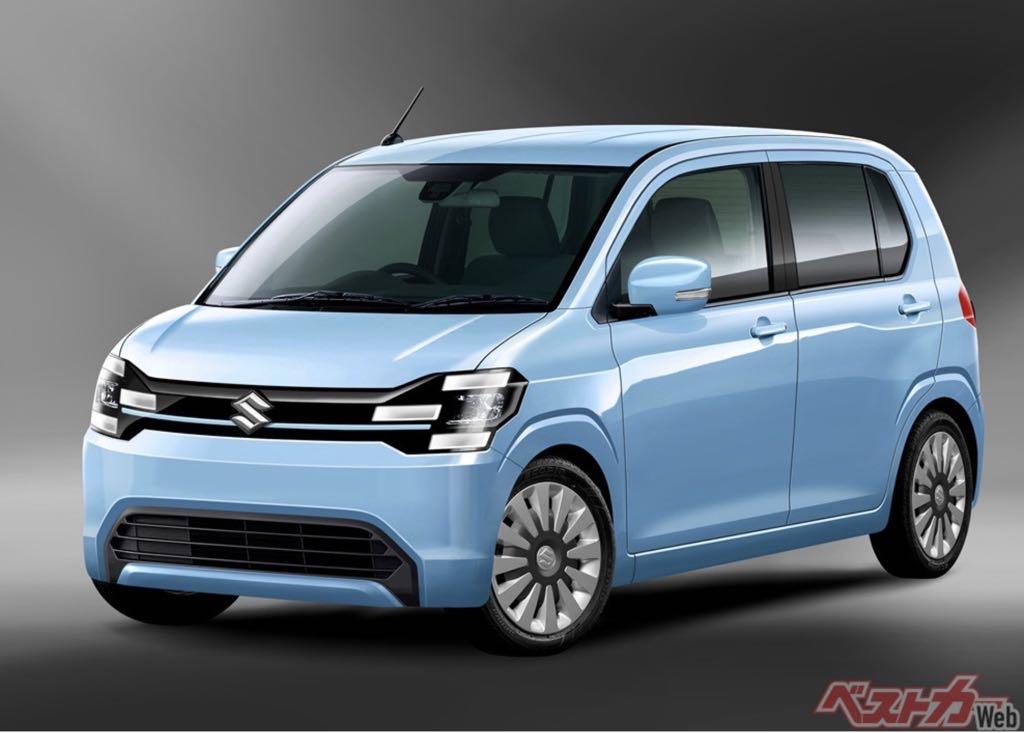
Material choices play a central role in this weight-loss campaign. High-tensile steel enables thinner structural sections without sacrificing rigidity. At the same time, MotorBeam notes that the 10th-gen Alto will minimize the use of plastic components to further bolster its sustainability credentials. Even microscopic components are undergoing strict scrutiny: trimming the head size of an M8 bolt saves approximately one gram. Across more than 2,000 bolts in a typical car, these tiny savings accumulate into meaningful mass reductions, mirroring techniques already implemented in Suzuki's motorcycle and outboard-motor operations.
For alternative-fuel vehicles, particularly in markets like India, weight management presents unique structural hurdles. Conventional compressed natural gas systems often impose a heavy mass penalty and eat into luggage capacity. To counter this, Suzuki is developing a lighter resin CNG cylinder designed to replace traditional steel alternatives. While the current steel tanks weigh roughly 60 kg, the proposed resin variant would weigh around 20 kg, yielding an impressive saving of approximately 40 kg. Furthermore, the company is studying a simpler mono-fuel system running exclusively on CNG, though production models and specific timelines remain unannounced.
The following comparison illustrates how the upcoming 10th-generation Suzuki Alto contrasts with the current model specifications reported in initial platform rollouts:
| Alto Generation | Target Weight Range | Key Platform & Powertrain Tech | Expected Fuel Efficiency / Output |
|---|---|---|---|
| Current Generation (Japan) | 680 kg to 760 kg | Standard Heartect platform, 12V mild-hybrid or petrol | 25.2 km/l (petrol) to 27.7 km/l (mild-hybrid) |
| 10th-Generation Alto (2026) | 580 kg to 660 kg | Advanced Heartect platform (UHSS/AHSS), 48V "Super Ene Charge" | Targeting over 30 km/l, 10-kW electric motor assistance |
Complementing these lightweight structures are advanced powertrain enhancements aimed at maximizing urban efficiency. The upcoming 10th-generation Alto is expected to upgrade from a traditional 12V setup to a 48V mild-hybrid system dubbed "Super Ene Charge". According to MotorBeam, this configuration features a lightweight battery paired with a 10-kW electric motor capable of contributing up to thirty percent of the vehicle's overall power delivery. This integration pushes fuel efficiency figures beyond the 30 km/l mark, improving upon the existing model's output while keeping the vehicle competitive in its domestic segment.
Broader corporate strategies will likewise feel the impact of these lightweight construction methods. Alongside its domestic kei car updates, Suzuki's broader roadmap includes new turbo-petrol engines, series-hybrids, and plug-in range-extender options for compact cars. As the brand scales its operations globally, touching upon regional production frameworks such as those discussed in wider business coverage, these innovations are expected to filter down to Maruti Suzuki offerings in India. This could eventually translate into a more efficient portfolio of small cars and lightweight SUVs, though model-specific rollout schedules are still pending.
Market observers and prospective buyers will be tracking several key milestones over the coming years as these technologies transition from strategy briefings to assembly lines. Key developments to watch next include:
- The official global debut of the 10th-generation Suzuki Alto in Japan, scheduled for 2026.
- Further announcements regarding the production feasibility, cylinder capacities, and vehicle integration timelines for the lightweight resin CNG cylinders.
- Model-specific launch dates and regional adaptations for Maruti Suzuki vehicles incorporating the 2030 lightweight engineering framework.
How significant is this development?
Contribute your assessment to the aggregated reader sentiment ledger.
Frequently Asked Questions
Key questions answered in this reportWhat is the key development in: Suzuki Aims To Reduce Car Weight By 100 Kgs – Without Compromising Safety?
Suzuki plans to cut vehicle weight by 100 kg across its global lineup by 2030, utilizing advanced ultra-high tensile steels and innovative components.
Why is this Business development significant for the UK?
This report covers critical events in our Business beat. Independent reporting monitors related UK statements, regulatory shifts, and public responses as further verified details emerge.
How was this reporting corroborated and verified?
Newsarchy UK compiles and cross-references reporting from primary reporting from rushlane.com and cross-checked wire reports. All coverage adheres to published editorial standards.
When was this report published?
This briefing was published on September 26, 2026 and is permanently cataloged in the Newsarchy UK Business archives.